
Against The Abrahamists From An Epicurean Perspective
Why the Abrahamists Matter to Epicureans
Section titled “Why the Abrahamists Matter to Epicureans”Judaism, Christianity and Islam are three religions, not one philosophy, and they have quarrelled with each other for two thousand years. But they trace themselves to the same patriarch, Abraham, they share many of the same scriptures, and on the questions that mattered most to Epicurus they give the same answers. There is one God, who made the world out of nothing. He watches every man and every sparrow. He has revealed his will in a book, and that revelation outranks the evidence of the senses. The soul survives death, or the body will be raised again, and every man will be judged and rewarded or punished forever. The goal of life is to obey God and to win the reward, not to live pleasantly here and now. This chapter calls the defenders of these positions “Abrahamists.”
Epicurus (341–270 BC) never met these religions. He died more than three centuries before Paul preached at Athens. But he denied every one of these positions, and his followers met the new faiths head on. The scriptures and the authorities who interpreted them answered with a hostility they showed to no other Greek philosopher. In Hebrew, “Epicurus” became the legal name for a heretic.
The Abrahamists matter to Epicureans for three main reasons.
First, the Abrahamists defeated Epicurus in history. For a thousand years the governments of Europe and the Near East were Christian or Muslim, and the teaching that the soul dies with the body and that no god governs the world was a crime as well as a sin. Epicurus wrote some three hundred rolls (DL X.26). Apart from three letters and two short collections of sayings, nearly all of them were lost. Much of what we know of his teaching comes to us from his enemies, the Church Fathers among them.
Second, the Abrahamists carried the world of Plato and the Stoics into faith. The creator god of the Timaeus, the providence of the Stoics and the immortal soul of the Phaedo became articles of belief that no one was allowed to question. Saint Augustine wrote that of all the philosophers the Platonists came nearest to the Christian faith (City of God VIII). The arguments that Epicurus aimed at Plato and the Stoics were now aimed, in effect, at the religion of the state.
Third, the Abrahamist arguments against Epicurus are still repeated today. That without God there is no reason to be good, that the man who seeks pleasure must be a glutton or a lecher, that “let us eat and drink, for tomorrow we die” sums up a life without an afterlife: all of these were written down in the scriptures and the Church Fathers, and they are repeated now by people who do not know where they came from.
The rest of this introduction follows the three divisions of Epicurean philosophy: the Canon, or how we know the truth; Physics, or the nature of things; and Ethics, or how to live. Each section states the Abrahamic position in the words of the scriptures and of their authorities, and then sets out the Epicurean response.
Abrahamists and Epicureans: The Historical Record
Section titled “Abrahamists and Epicureans: The Historical Record”Paul Among the Epicureans
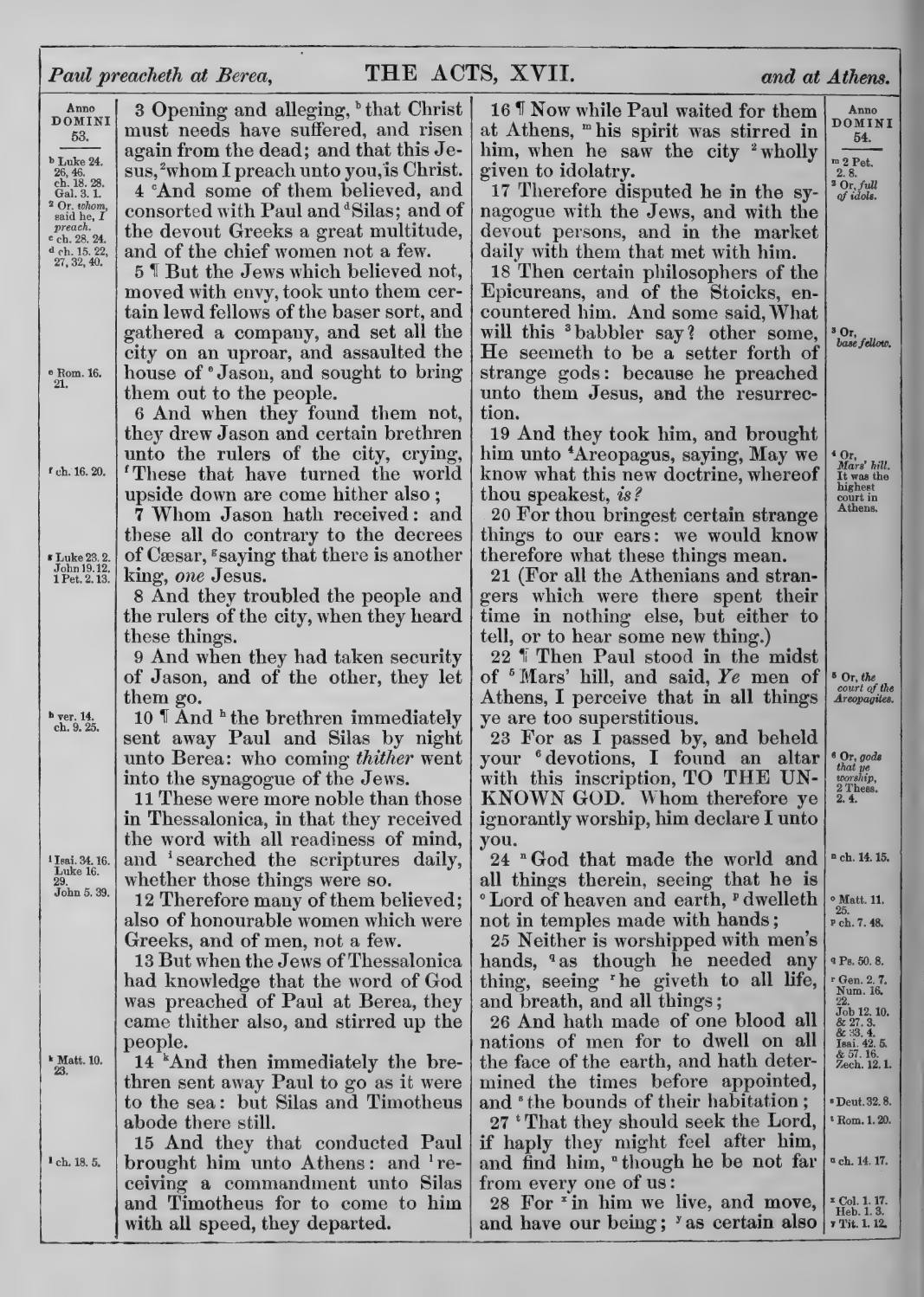
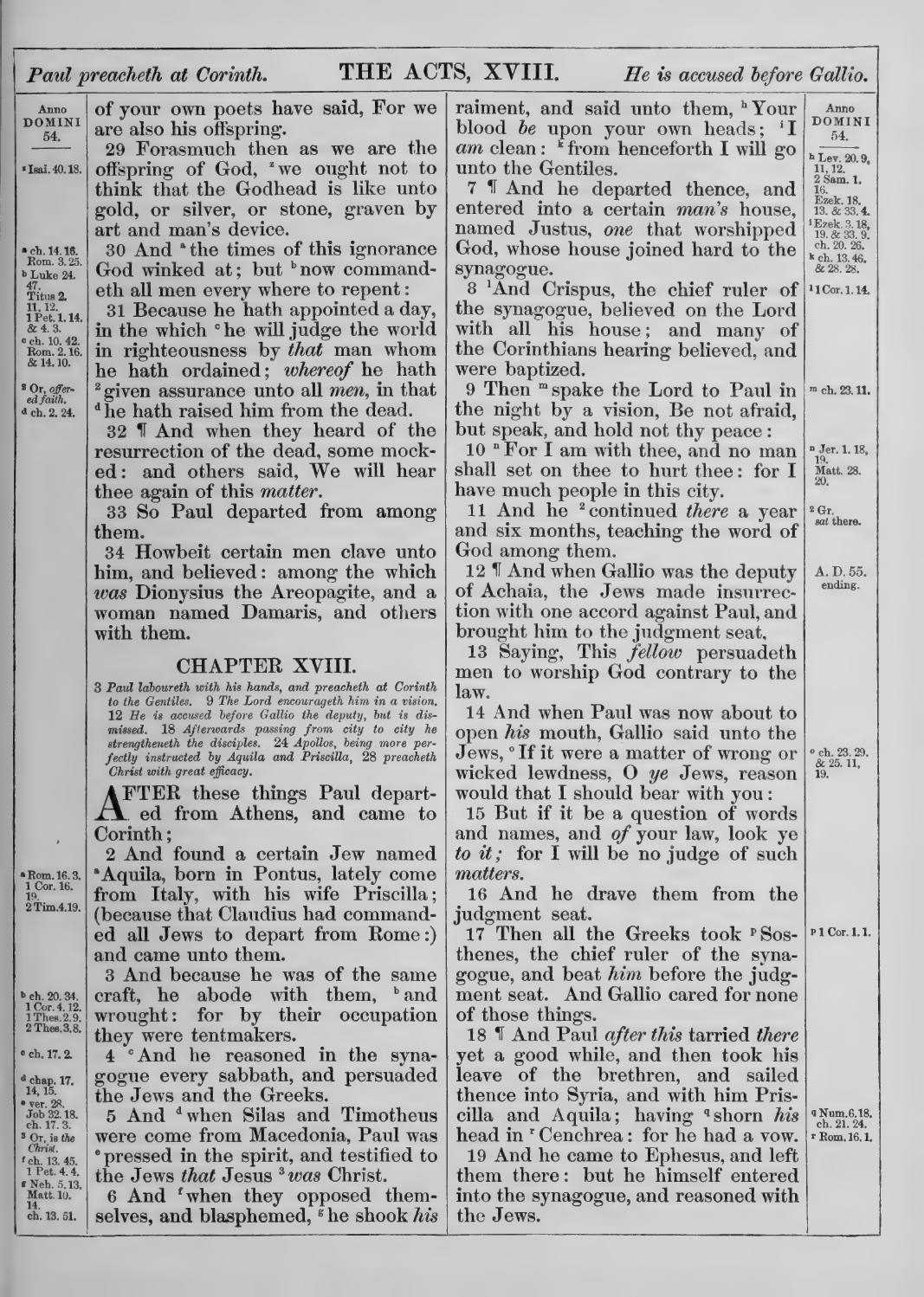
Section titled “Paul Among the Epicureans”The only passage in the Bible that names the Epicureans is in the Book of Acts. Paul is arguing in the market place at Athens: “Then certain philosophers of the Epicureans, and of the Stoicks, encountered him. And some said, What will this babbler say? other some, He seemeth to be a setter forth of strange gods: because he preached unto them Jesus, and the resurrection” (Acts 17:18). Paul’s first claim to them is the one Epicurus denied most firmly: “God that made the world and all things therein.” His last is a judgment of the world, proved by the resurrection, and that is the point at which his hearers laughed: “And when they heard of the resurrection of the dead, some mocked” (Acts 17:30–32).
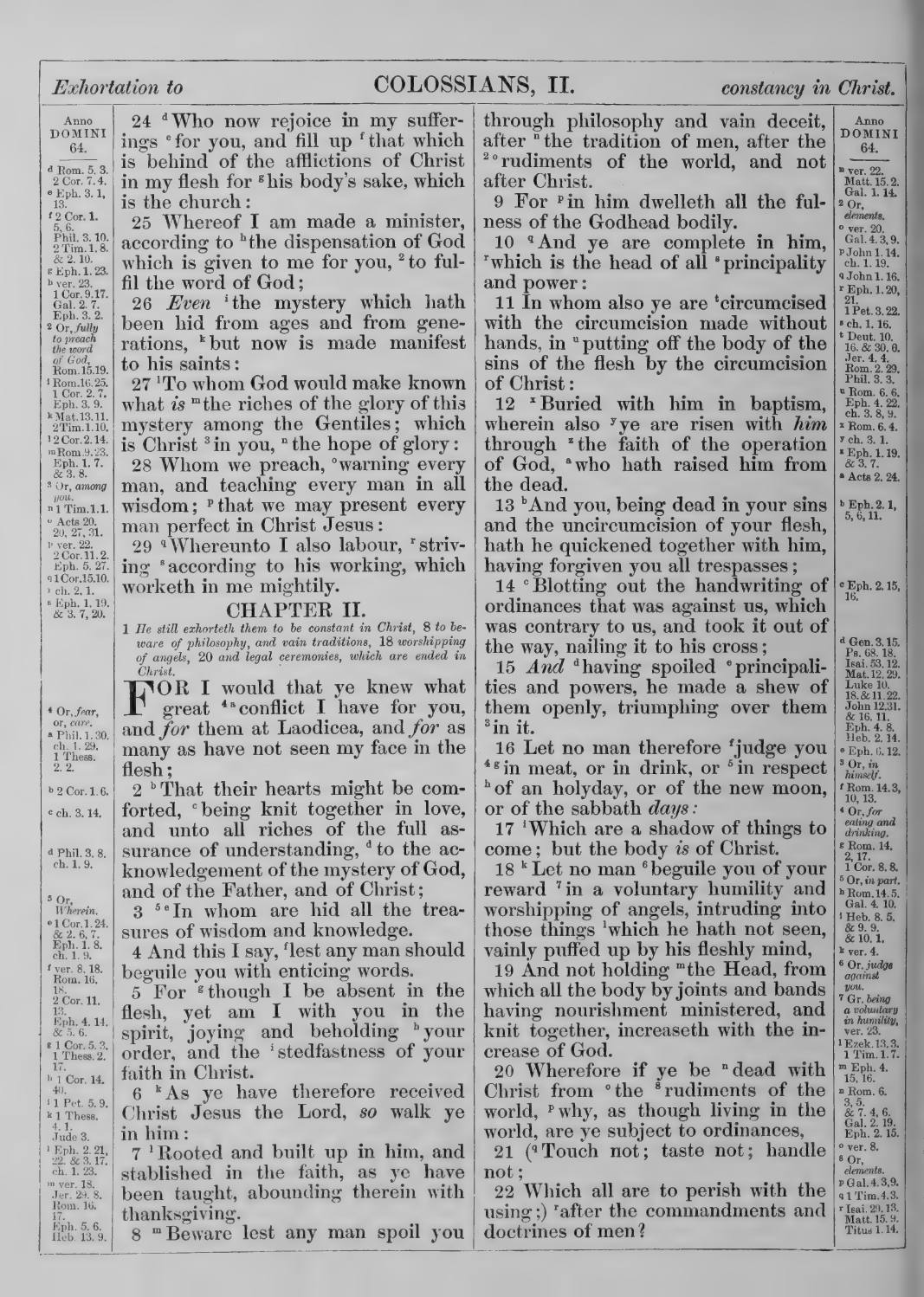
Paul’s letters warn the churches against the whole enterprise of Greek philosophy: “Beware lest any man spoil you through philosophy and vain deceit, after the tradition of men, after the rudiments of the world, and not after Christ” (Colossians 2:8).
The Apikoros
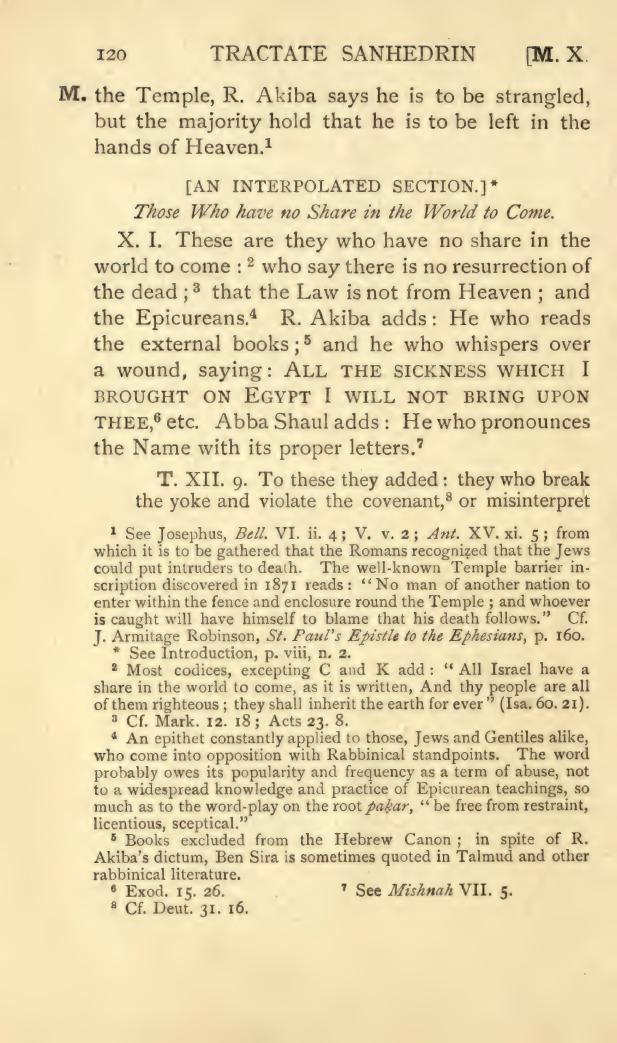
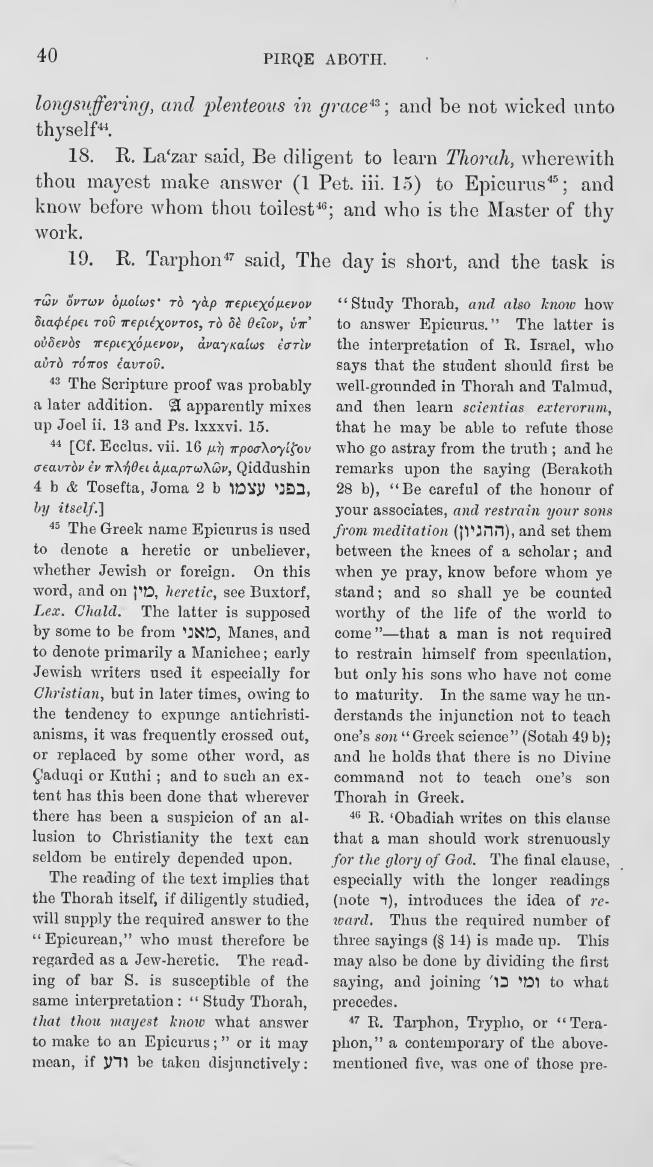
Section titled “The Apikoros”In rabbinic Judaism the name of Epicurus became a legal category. The Mishnah, the core of Jewish law, lists those who lose their place in the life after death: “These are they who have no share in the world to come: who say there is no resurrection of the dead; that the Law is not from Heaven; and the Epicureans” (Mishnah Sanhedrin 10:1, tr. Danby). The Sayings of the Fathers tells the student: “Be diligent to learn Thorah, wherewith thou mayest make answer … to Epicurus” (Avot 2:14, tr. Taylor).
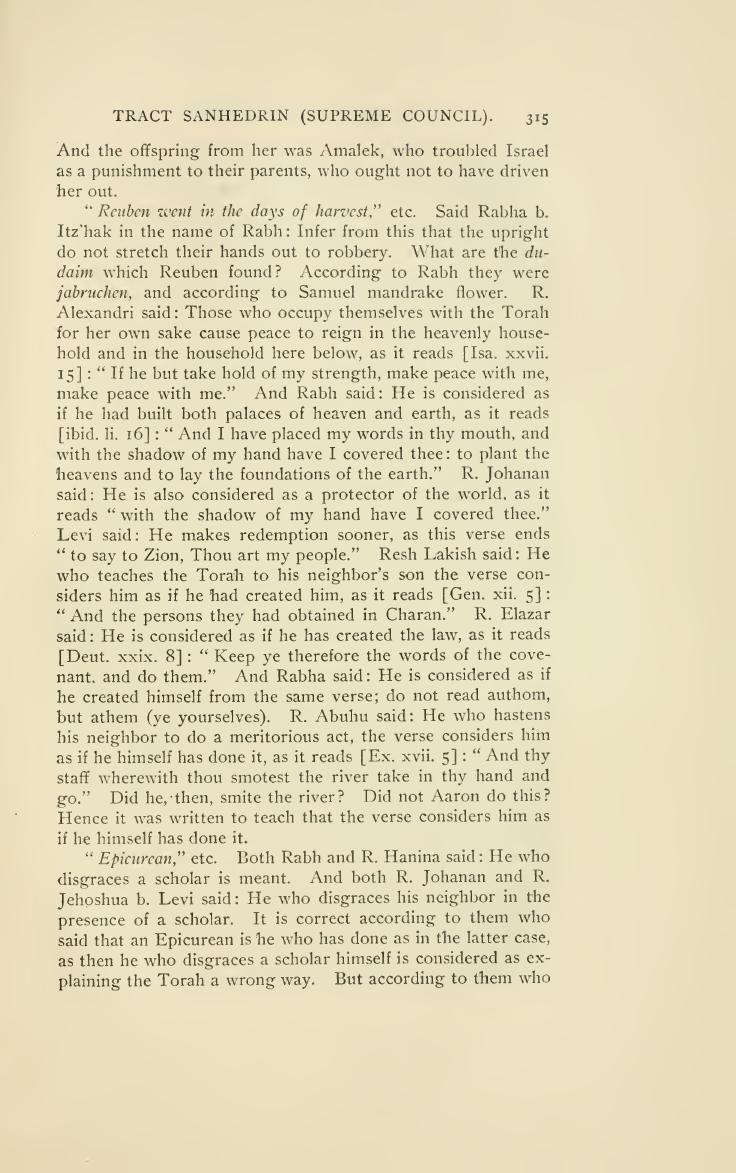
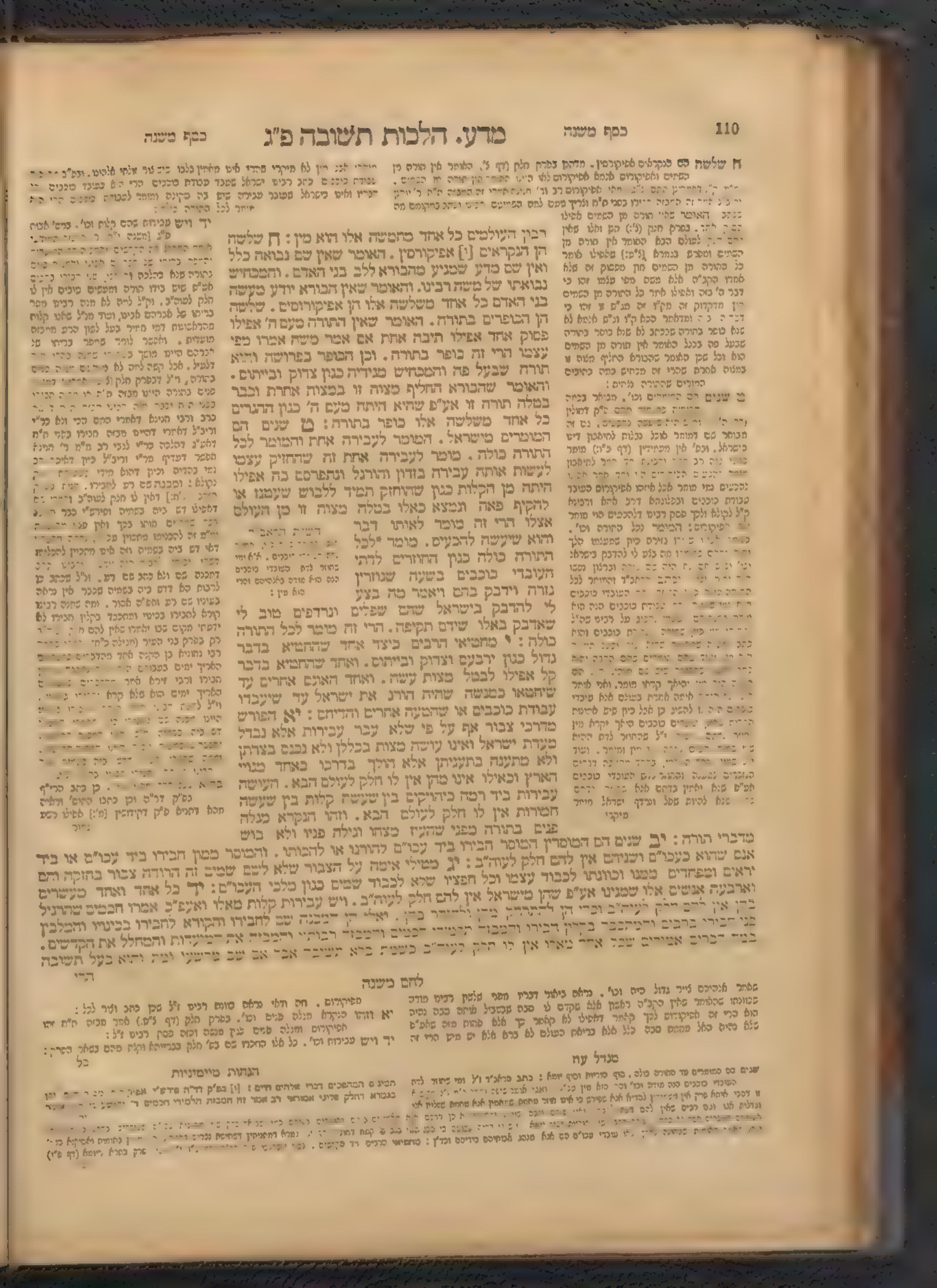
Over the centuries the word came to mean any Jew who rejected the authority of the rabbis, and the Talmud records a long debate over who exactly counts as one (Sanhedrin 99b–100a). But the medieval code of Maimonides brings the word back to the positions Epicurus actually held. “Three are called apikorsim: one who says there is no prophecy at all, and that no knowledge reaches the heart of human beings from the Creator; one who denies the prophecy of Moses our teacher; and one who says the Creator does not know the deeds of human beings” (Mishneh Torah, Laws of Repentance 3:8).
The Church Fathers
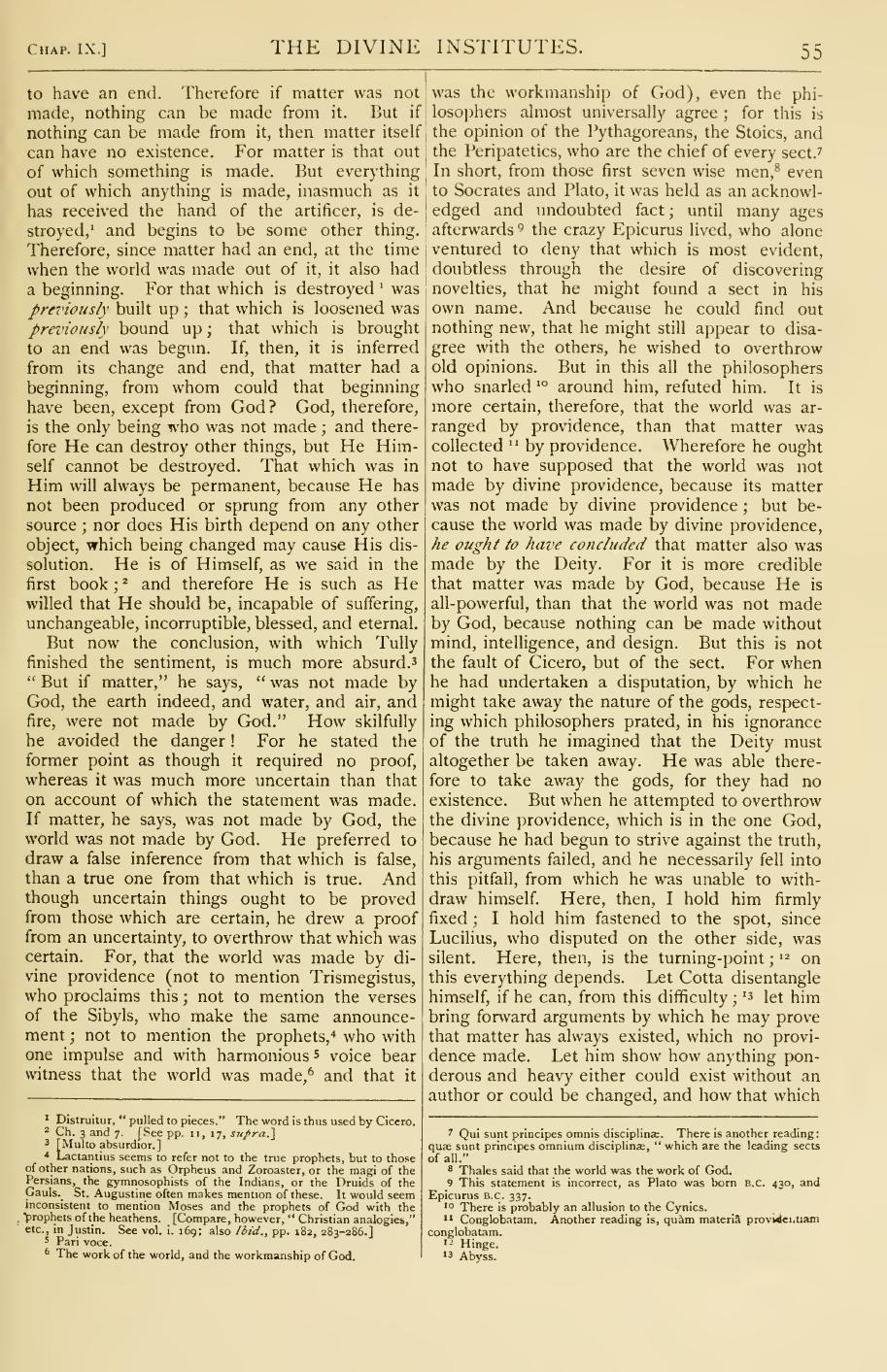
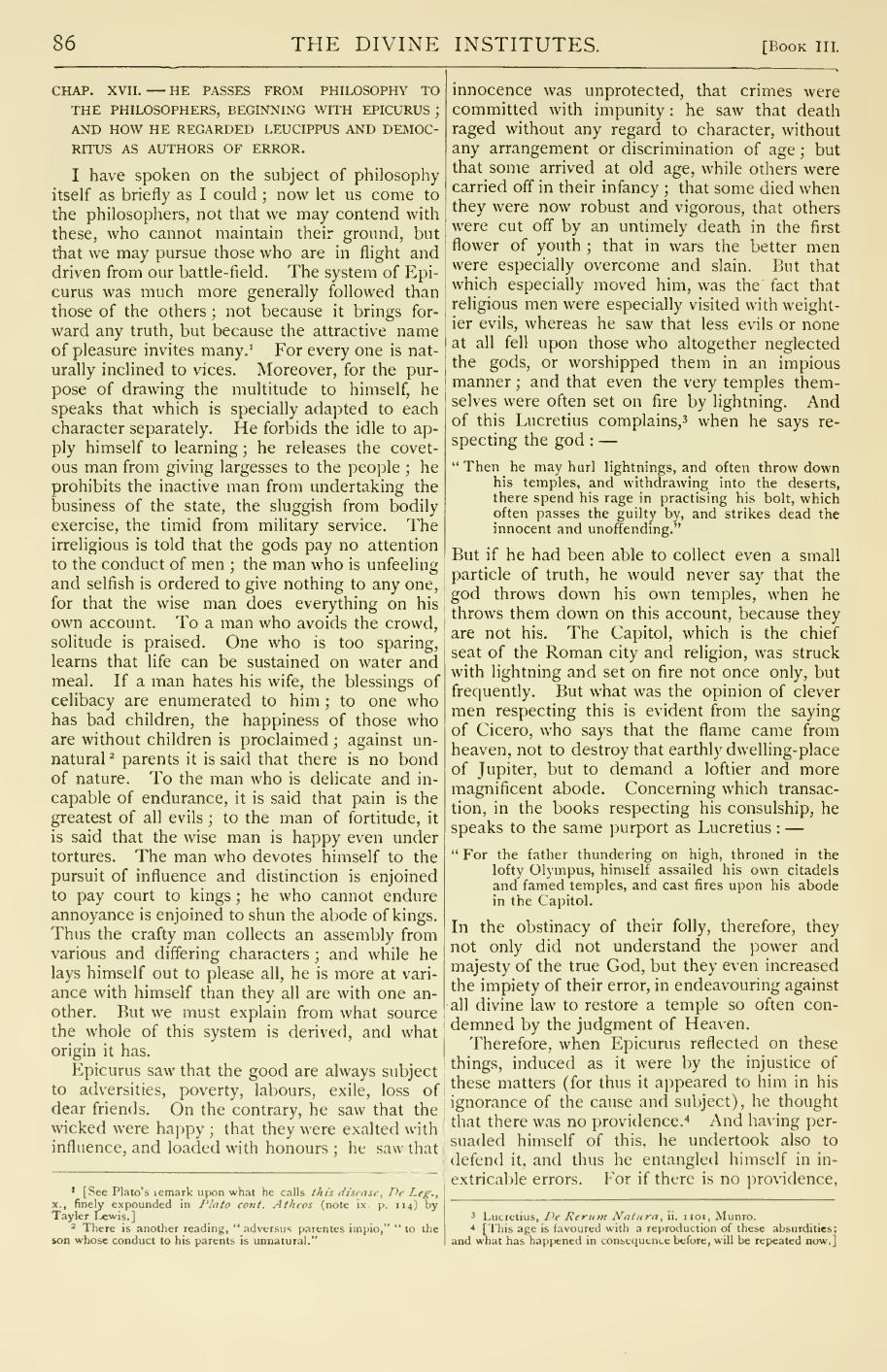
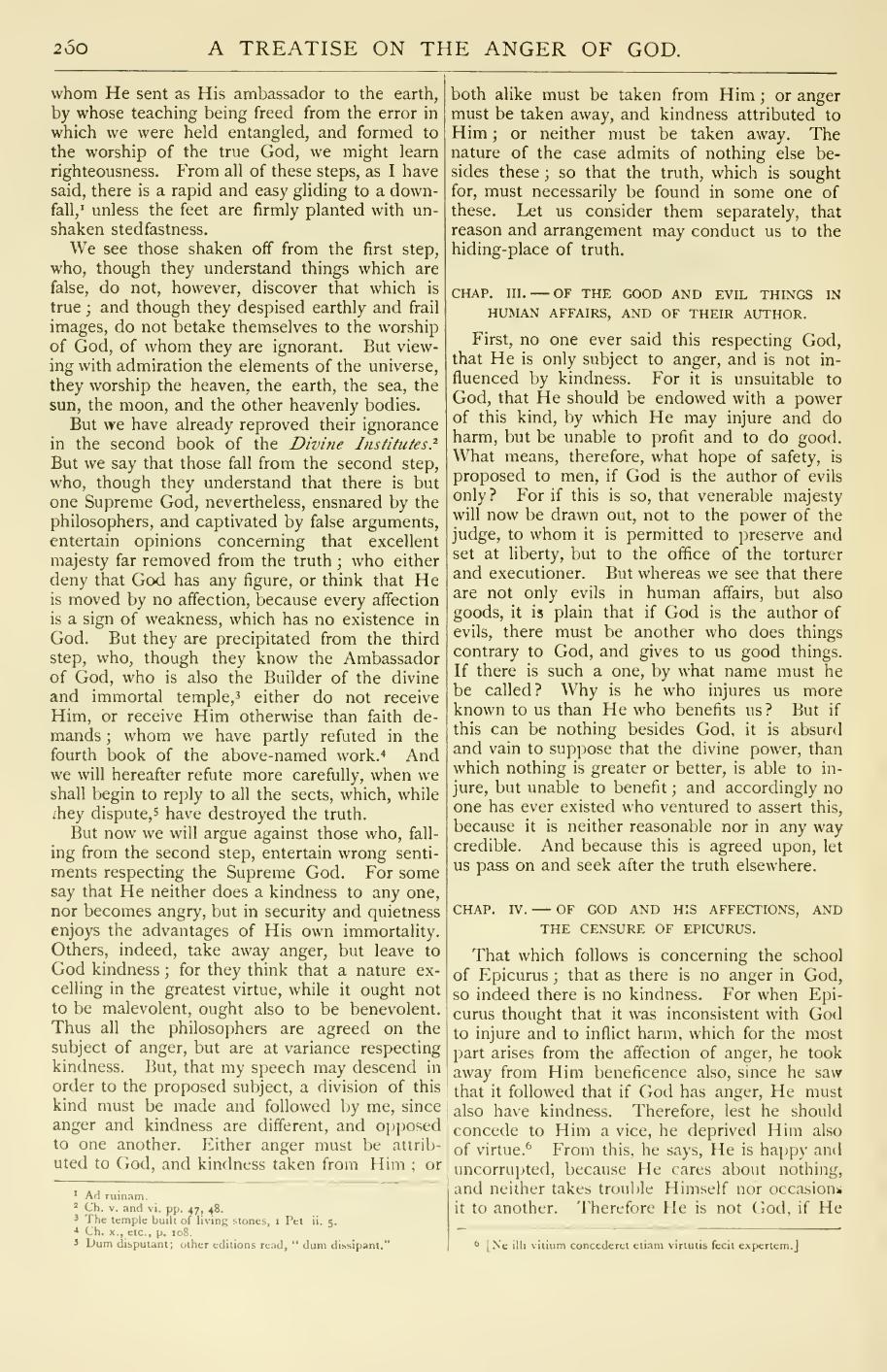
Section titled “The Church Fathers”The Christian writers of the third to fifth centuries knew Epicurus well and attacked him by name. Lactantius, the tutor of the son of the emperor Constantine, called him “the crazy Epicurus” (Divine Institutes II.9) and explained his popularity this way: “The system of Epicurus was much more generally followed than those of the others; not because it brings forward any truth, but because the attractive name of pleasure invites many. For every one is naturally inclined to vices” (III.17). He wrote a whole treatise, On the Anger of God, against Epicurus’s teaching that the gods are neither angry nor kind (De Ira Dei 4).
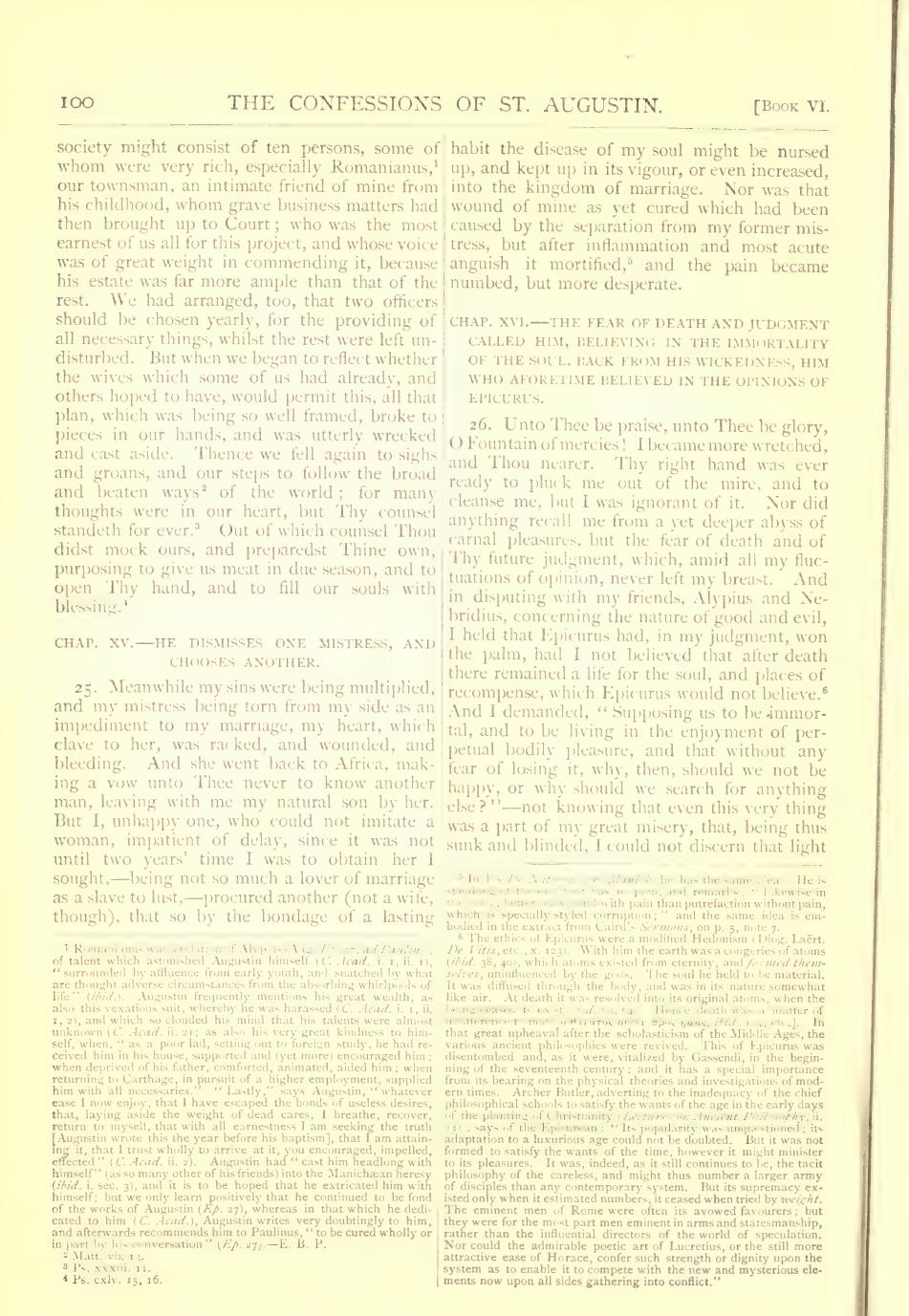
Augustine made a remarkable admission in his Confessions. Before his conversion, he says, he argued with his friends about good and evil, and “I held that Epicurus had, in my judgment, won the palm, had I not believed that after death there remained a life for the soul, and places of recompense, which Epicurus would not believe” (Confessions VI.16). Only the belief in reward and punishment after death stood between Augustine and Epicurus.
Al-Ghazali’s Three Sects
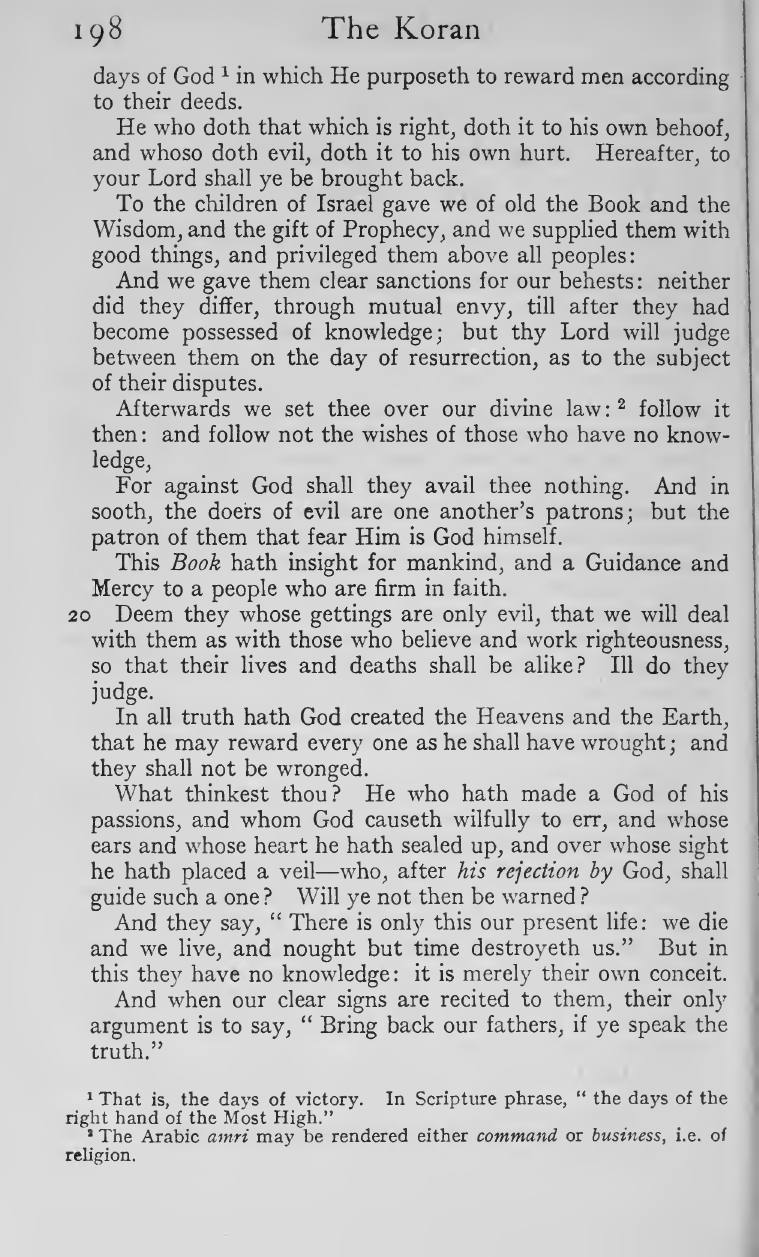
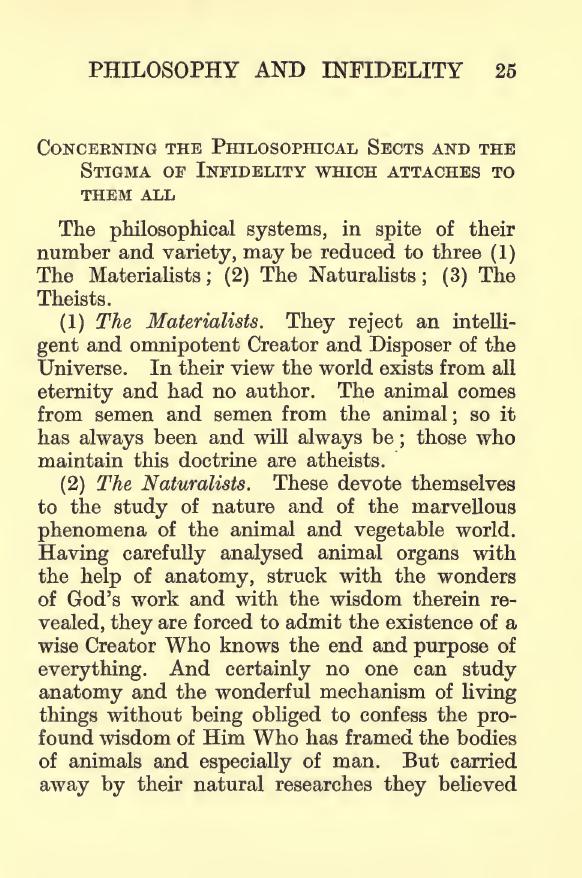
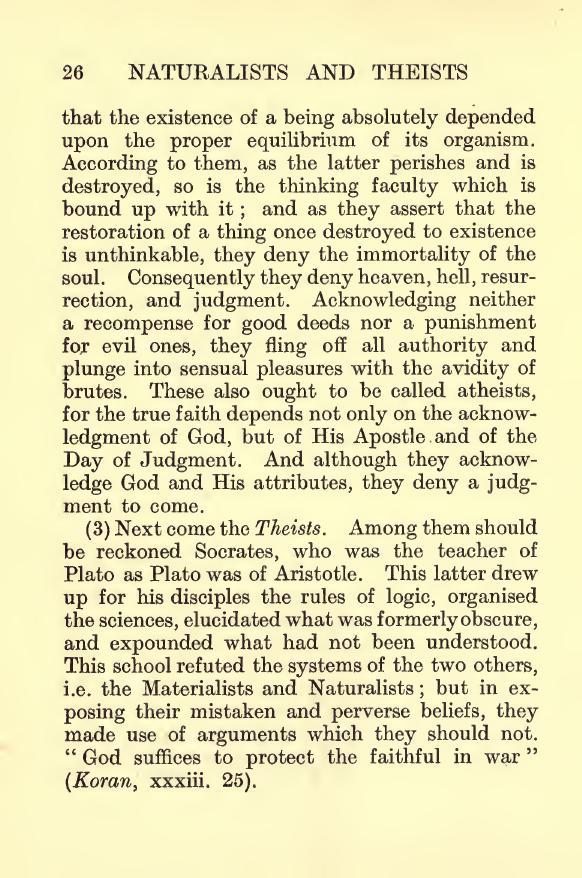
Section titled “Al-Ghazali’s Three Sects”In Islam the Koran gives the materialist view in a single verse and dismisses it: “And they say, ‘There is only this our present life: we die and we live, and nought but time destroyeth us.’ But in this they have no knowledge: it is merely their own conceit” (Koran 45:24, tr. Rodwell). The theologian al-Ghazali (AD 1058–1111), in his autobiography Deliverance from Error, divides the philosophers into three sects and condemns all three. He does not name Epicurus, but his first two sects hold Epicurus’s positions. The Materialists “reject an intelligent and omnipotent Creator and Disposer of the Universe. In their view the world exists from all eternity and had no author” (Confessions, p. 25, tr. Field). The Naturalists “deny the immortality of the soul. Consequently they deny heaven, hell, resurrection, and judgment” (pp. 25–26). Both, he says, “ought to be called atheists.”
The Canon: Faith Against the Senses
Section titled “The Canon: Faith Against the Senses”The Evidence of Things Not Seen
Section titled “The Evidence of Things Not Seen”Epicurus held that the senses are the standard of truth, and that nothing should be believed unless the senses, and reasoning from them, support it. The Abrahamic scriptures teach the opposite: the highest truths are those that cannot be seen, and they are received by faith.
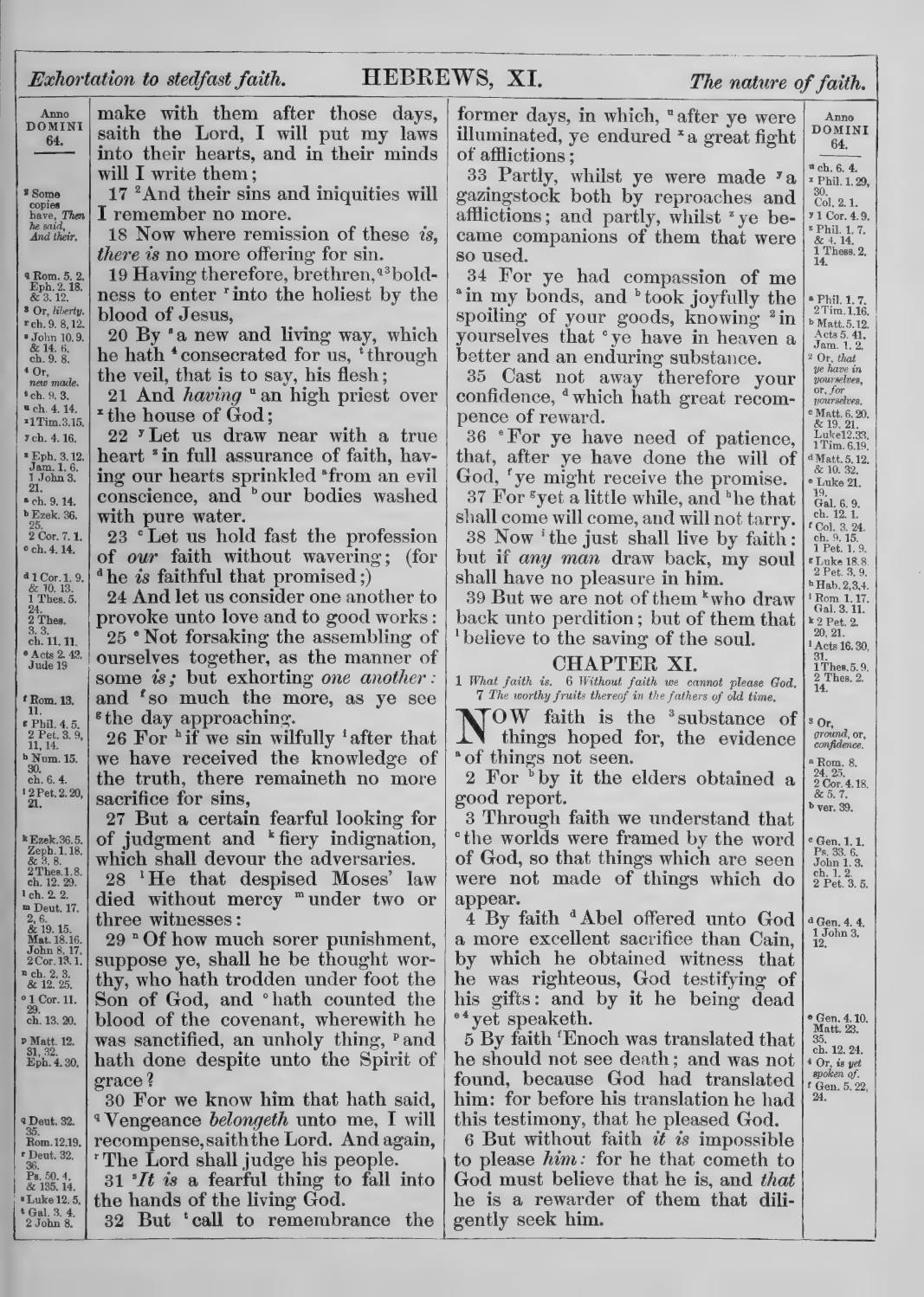
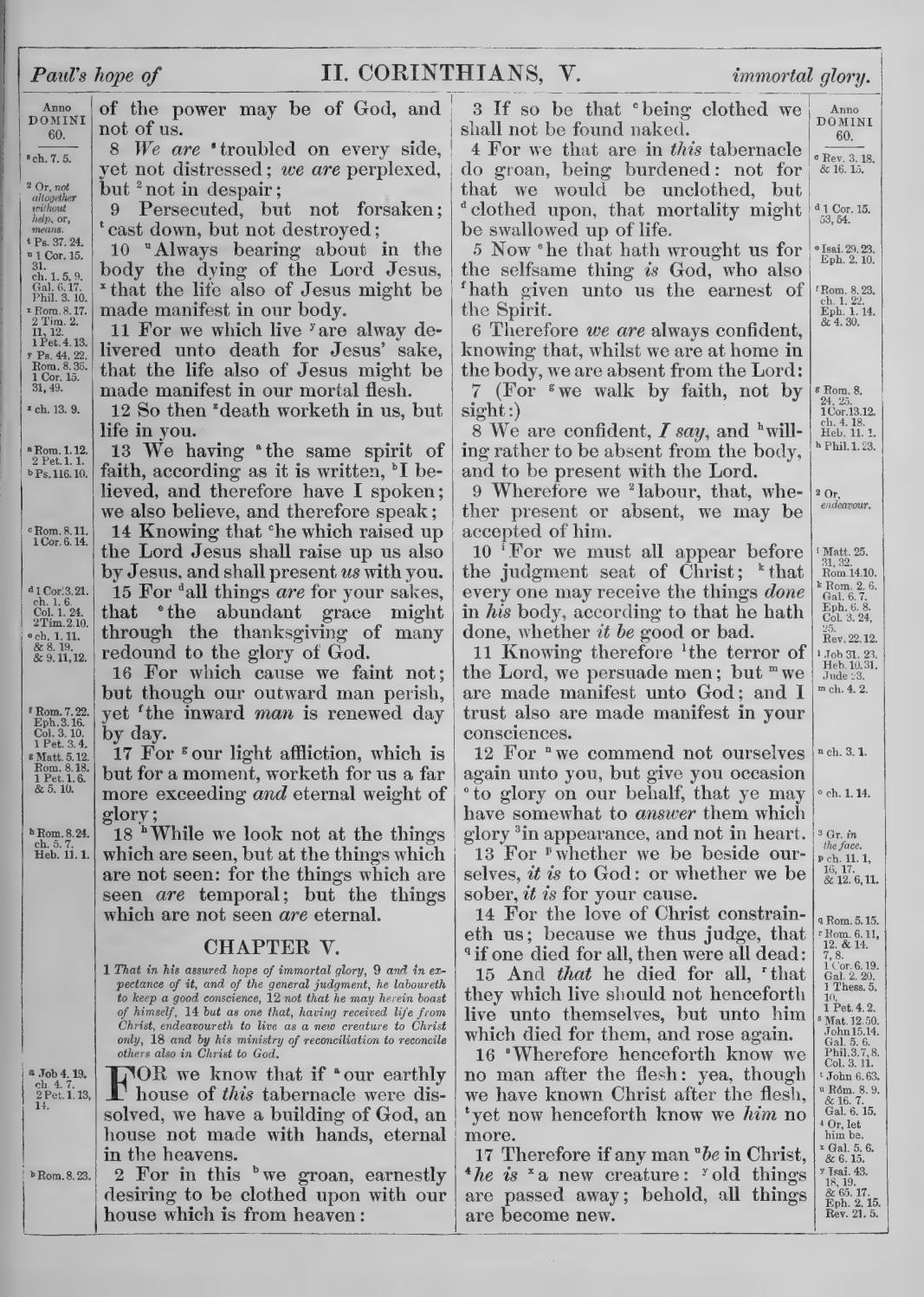
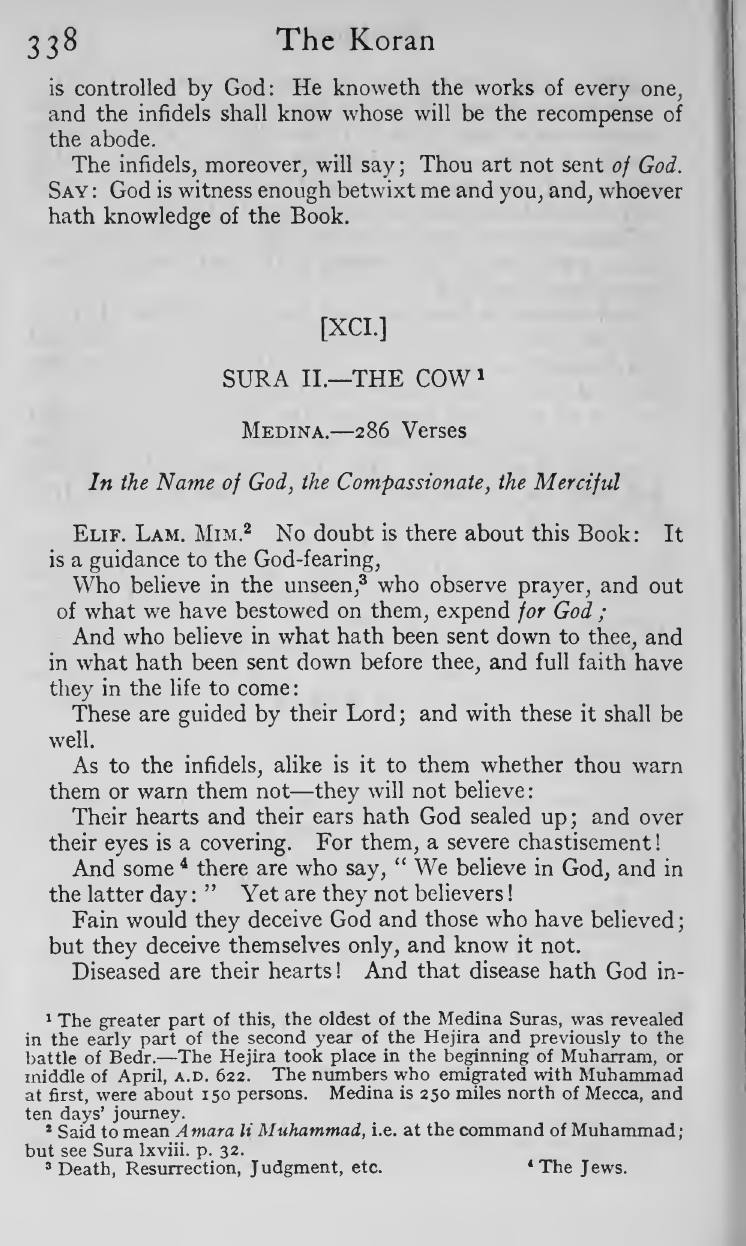
The New Testament defines faith as “the substance of things hoped for, the evidence of things not seen” (Hebrews 11:1). Paul writes: “we look not at the things which are seen, but at the things which are not seen: for the things which are seen are temporal; but the things which are not seen are eternal,” and “we walk by faith, not by sight” (2 Corinthians 4:18, 5:7). The Koran describes the believers first of all as those “who believe in the unseen” (Koran 2:1–3).
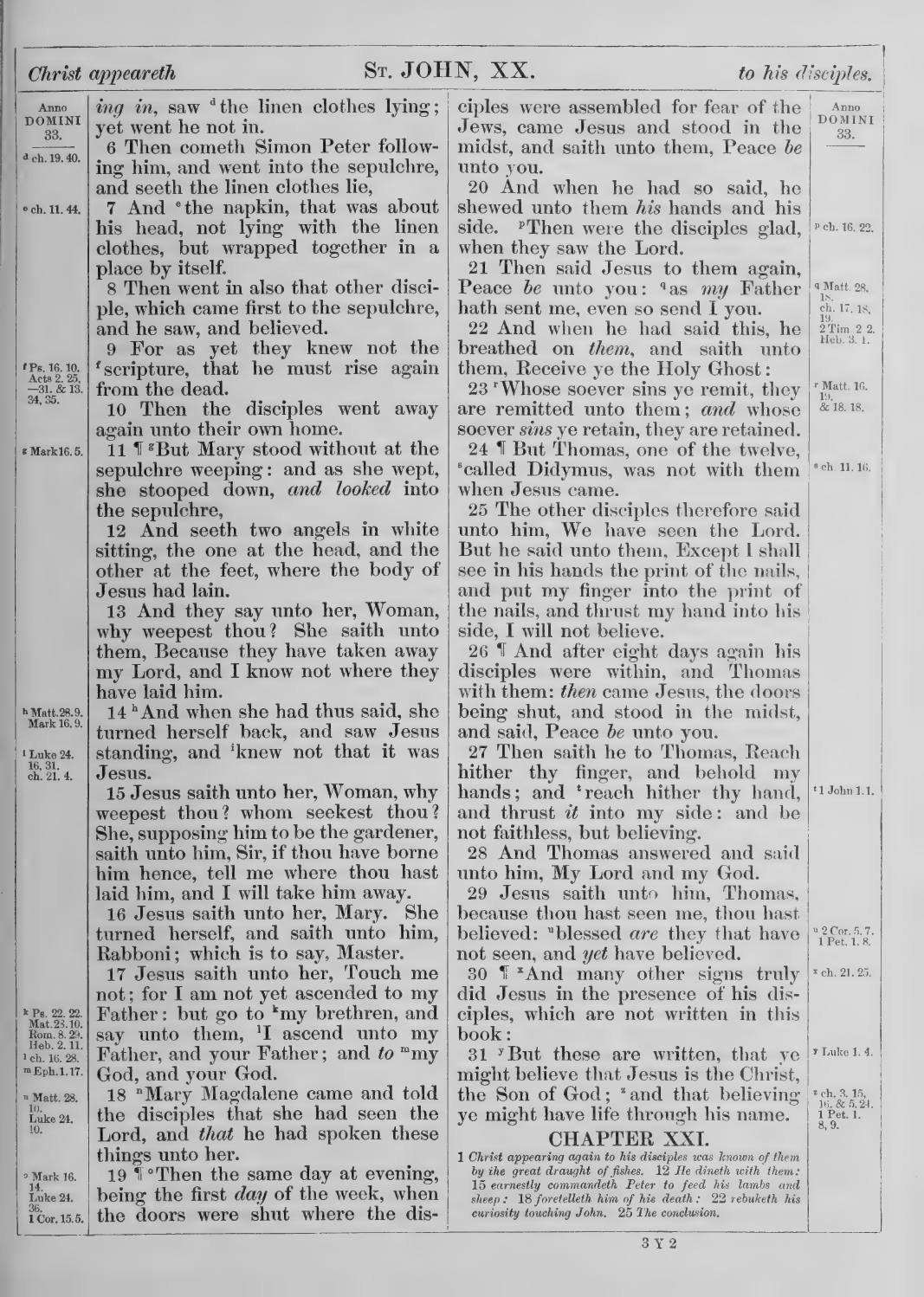
The Gospel of John tells the story of the apostle Thomas, who refused to believe in the resurrection unless he could see and touch the wounds. When he has seen, Jesus answers: “Thomas, because thou hast seen me, thou hast believed: blessed are they that have not seen, and yet have believed” (John 20:29). Thomas applied the Epicurean test. The Gospel gives its blessing to those who do not.
Against the Wisdom of the World
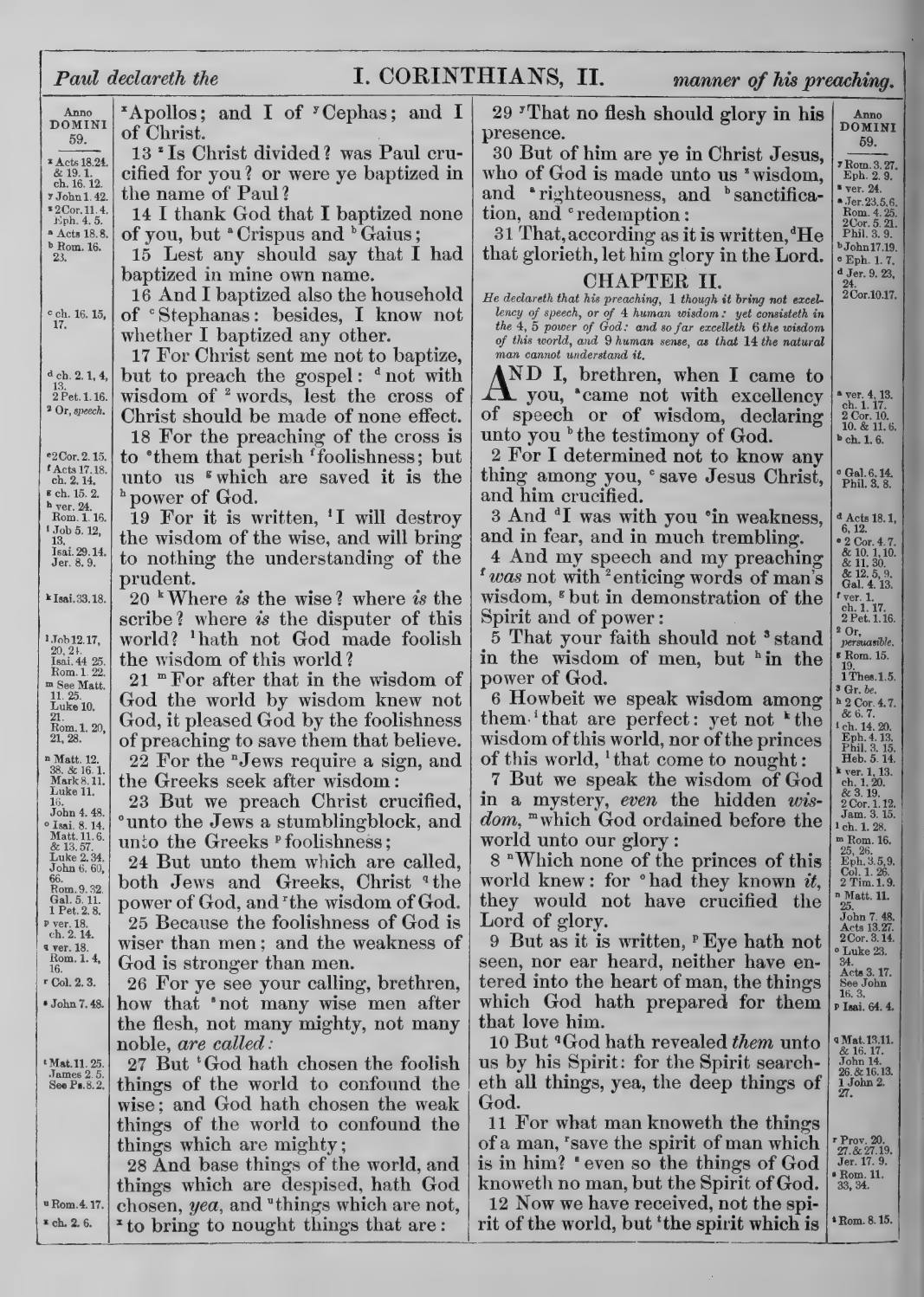
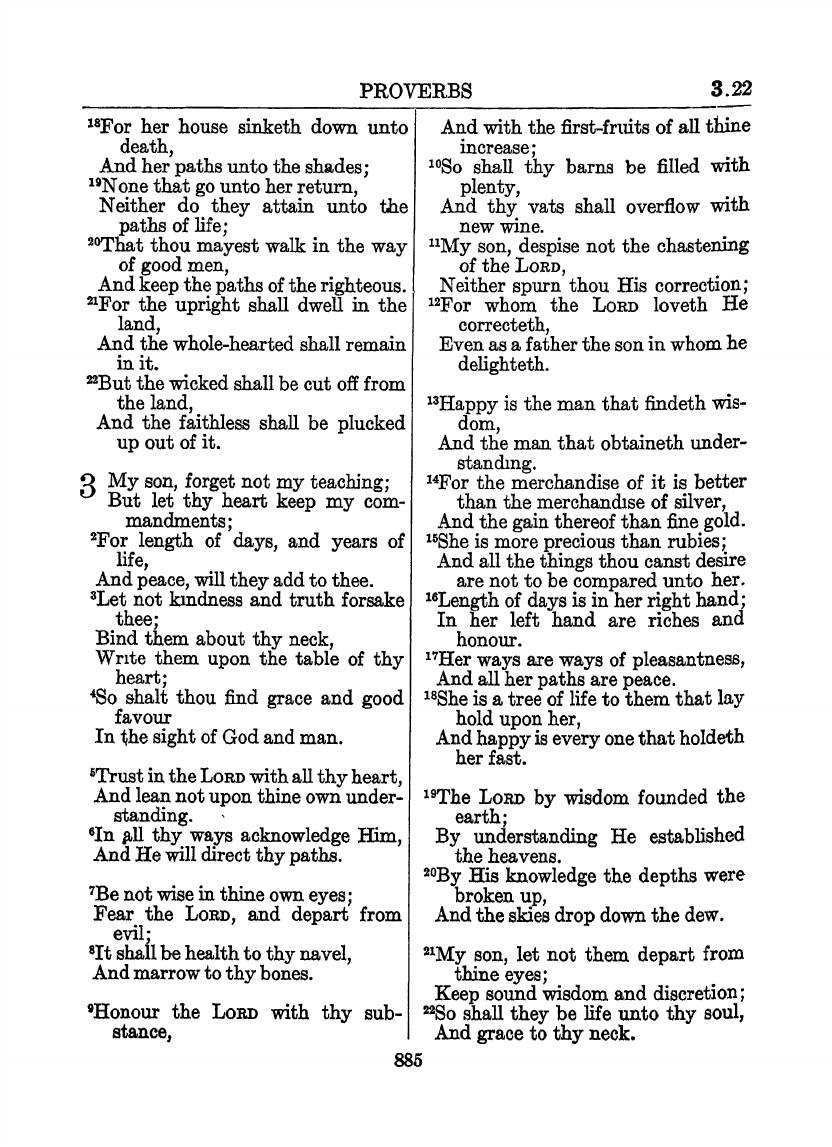
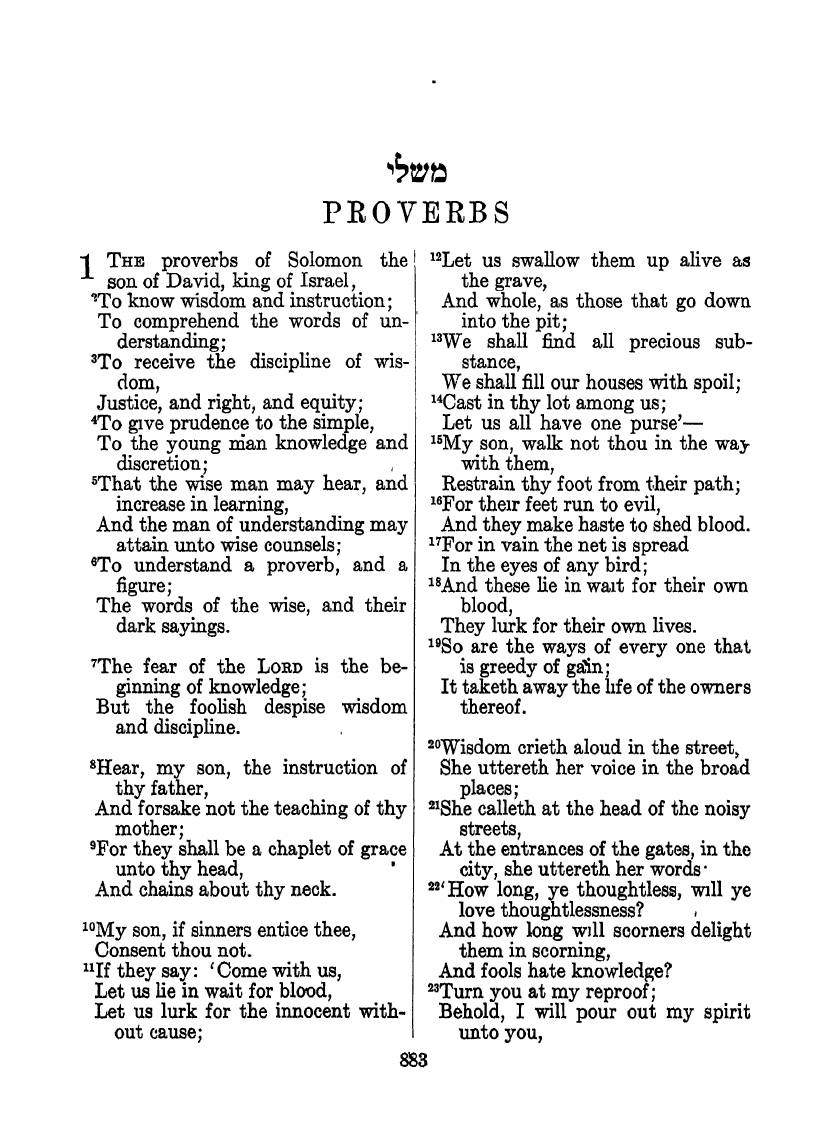
Section titled “Against the Wisdom of the World”The scriptures do not merely place faith above the senses. They place it above reason. “For it is written, I will destroy the wisdom of the wise, and will bring to nothing the understanding of the prudent … hath not God made foolish the wisdom of this world? … For the Jews require a sign, and the Greeks seek after wisdom: But we preach Christ crucified, unto the Jews a stumblingblock, and unto the Greeks foolishness” (1 Corinthians 1:19–23). The Hebrew Bible says the same: “Trust in the LORD with all thy heart, And lean not upon thine own understanding … Be not wise in thine own eyes” (Proverbs 3:5–7), and “The fear of the LORD is the beginning of knowledge” (Proverbs 1:7). The fringes on a Jew’s garment are to remind him of the commandments, “that ye go not about after your own heart and your own eyes, after which ye use to go astray” (Numbers 15:39).
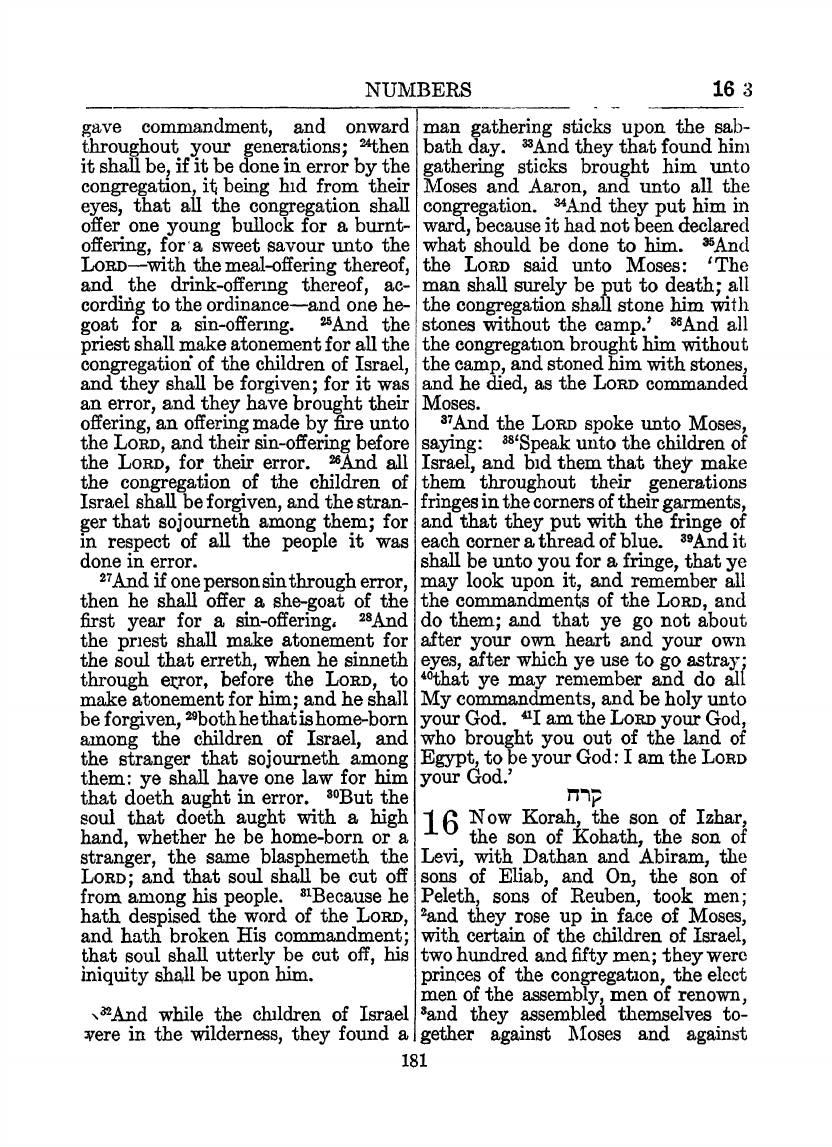
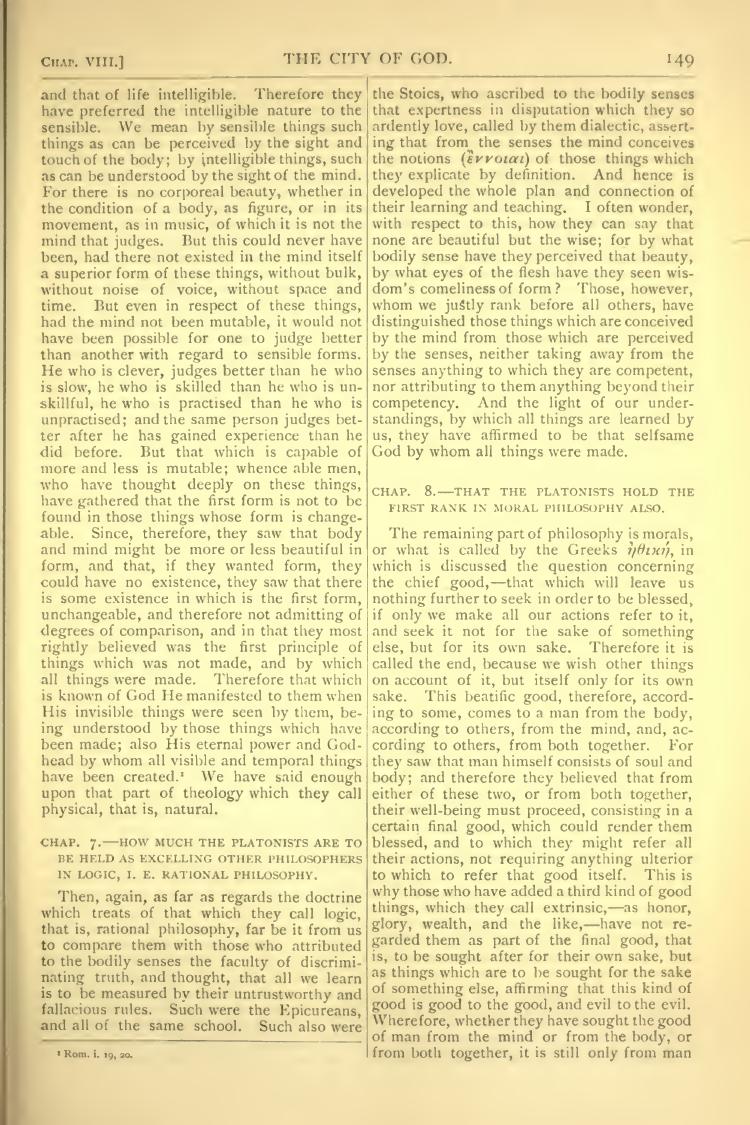
Augustine names the Epicureans as the school that made this mistake. He praises the Platonists above “those who attributed to the bodily senses the faculty of discriminating truth, and thought that all we learn is to be measured by their untrustworthy and fallacious rules. Such were the Epicureans, and all of the same school” (City of God VIII.7).
The Epicurean Answer
Section titled “The Epicurean Answer”Epicurus answered that there is no standard above the senses to which we can appeal. “If you fight against all sensations, you will have no standard by which to judge even those of them which you say are false” (PD 23). “We must keep all our investigations in accord with our sensations … in order that we may have indications whereby we may judge both the problem of sense perception and the unseen” (DL X.38). The unseen is not closed to us, but we reach it only by reasoning from what is seen, as Epicurus reasoned from motion to the void and from the qualities of bodies to the atoms.
Faith offers no such test. The believer who accepts a revelation because it is not seen has no way to choose between rival revelations, and the three Abrahamic religions themselves have never agreed which revelation is the true one. Epicurus also explained where the belief in punishing and rewarding gods comes from: “the statements of the many about the gods are not conceptions derived from sensation, but false suppositions, according to which the greatest misfortunes befall the wicked and the greatest blessings (the good) by the gift of the gods” (DL X.124).
Summary: Two Different Canons
Section titled “Summary: Two Different Canons”- The Abrahamists: the highest truths are revealed by God in scripture and received by faith. The senses and human reason are weak and must submit to revelation. The “fear of the LORD is the beginning of knowledge.”
- Epicurus: the senses, the anticipations and the feelings are the standards of truth. What cannot be seen is known only by reasoning from what is seen. Beliefs about the gods that do not come from this evidence are “false suppositions.”
Physics: Creation, Providence and Judgment
Section titled “Physics: Creation, Providence and Judgment”Creation Out of Nothing
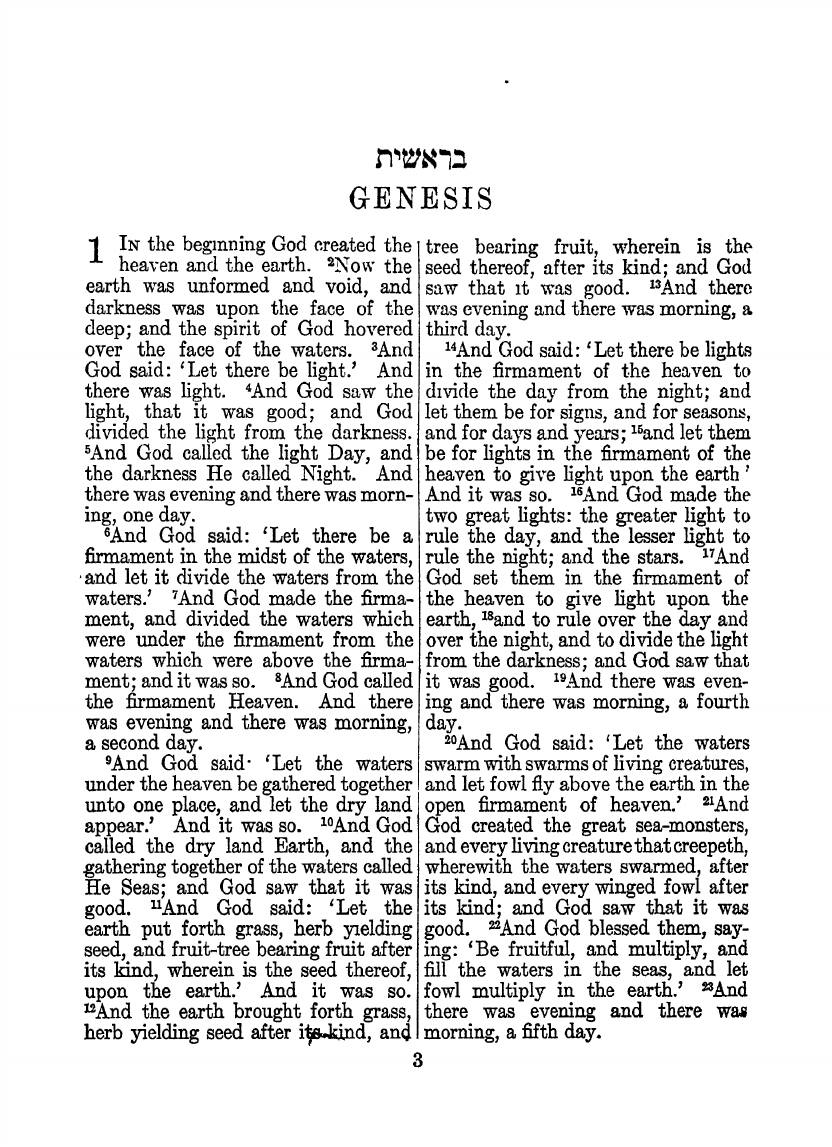
Section titled “Creation Out of Nothing”The Bible opens with the doctrine Epicurus denied first: “IN the beginning God created the heaven and the earth” (Genesis 1:1). “By the word of the LORD were the heavens made … For He spoke, and it was; He commanded, and it stood” (Psalm 33:6, 9). “All things were made by him; and without him was not any thing made that was made” (John 1:3). The Koran: “Sole maker of the Heavens and of the Earth! And when He decreeth a thing, He only saith to it, ‘Be,’ and it is” (Koran 2:117). The Letter to the Hebrews says that the visible world was not made out of anything visible: “the worlds were framed by the word of God, so that things which are seen were not made of things which do appear” (Hebrews 11:3).
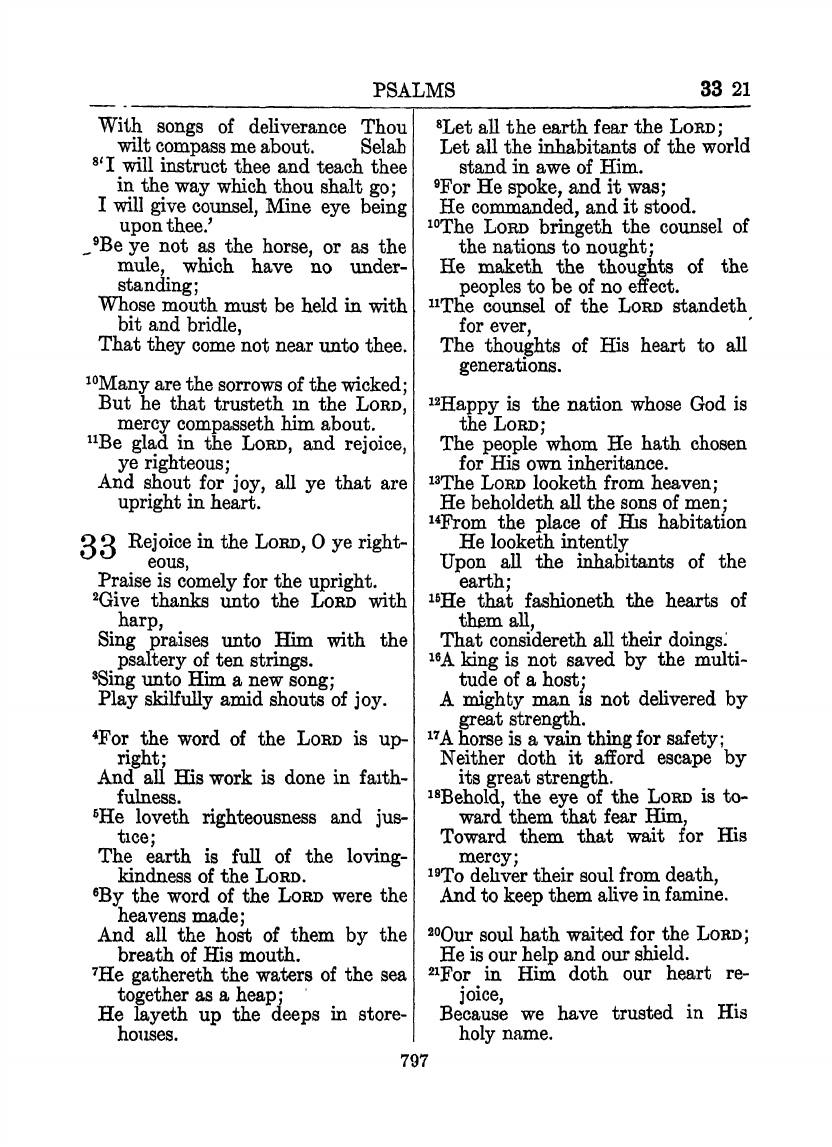
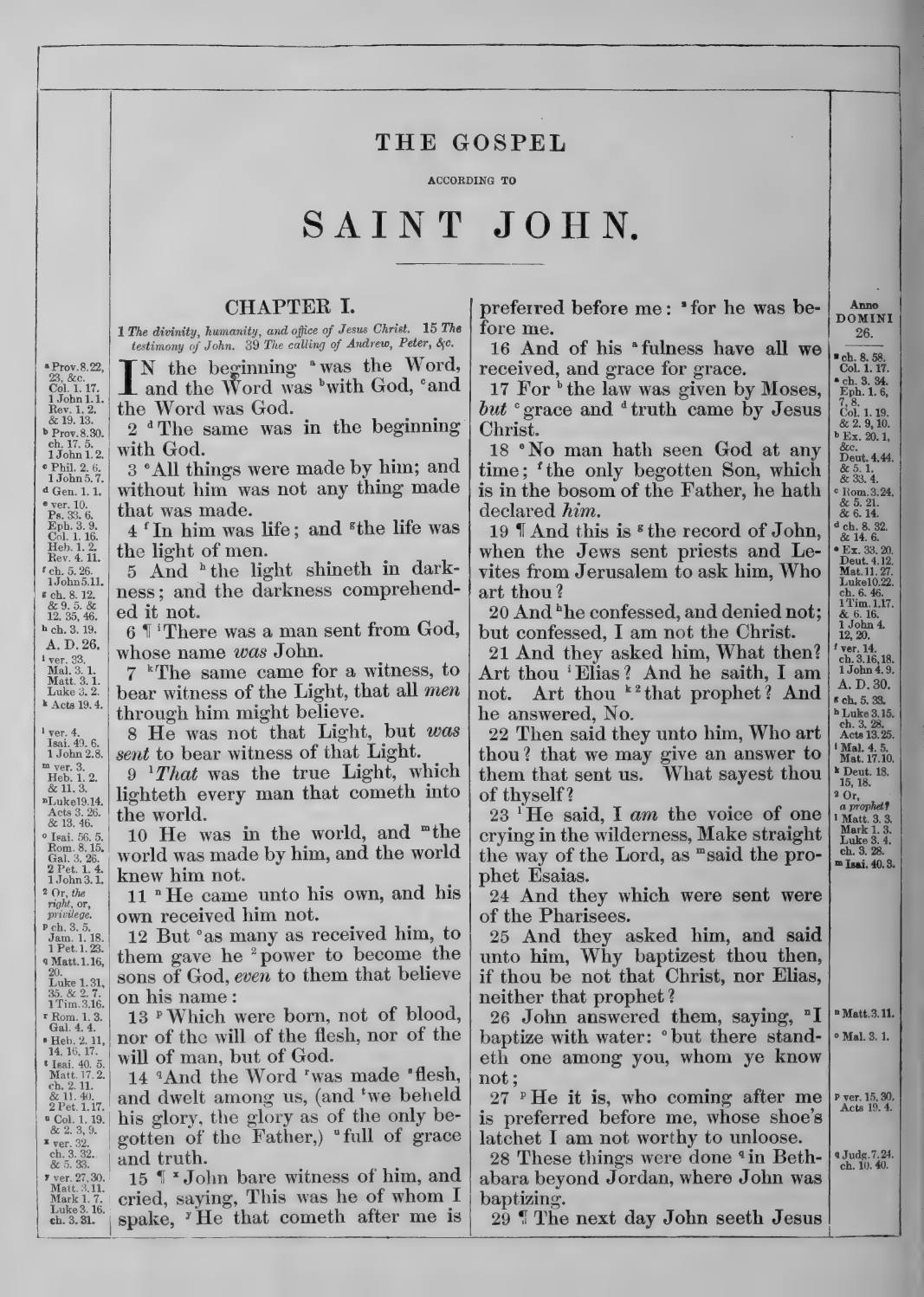
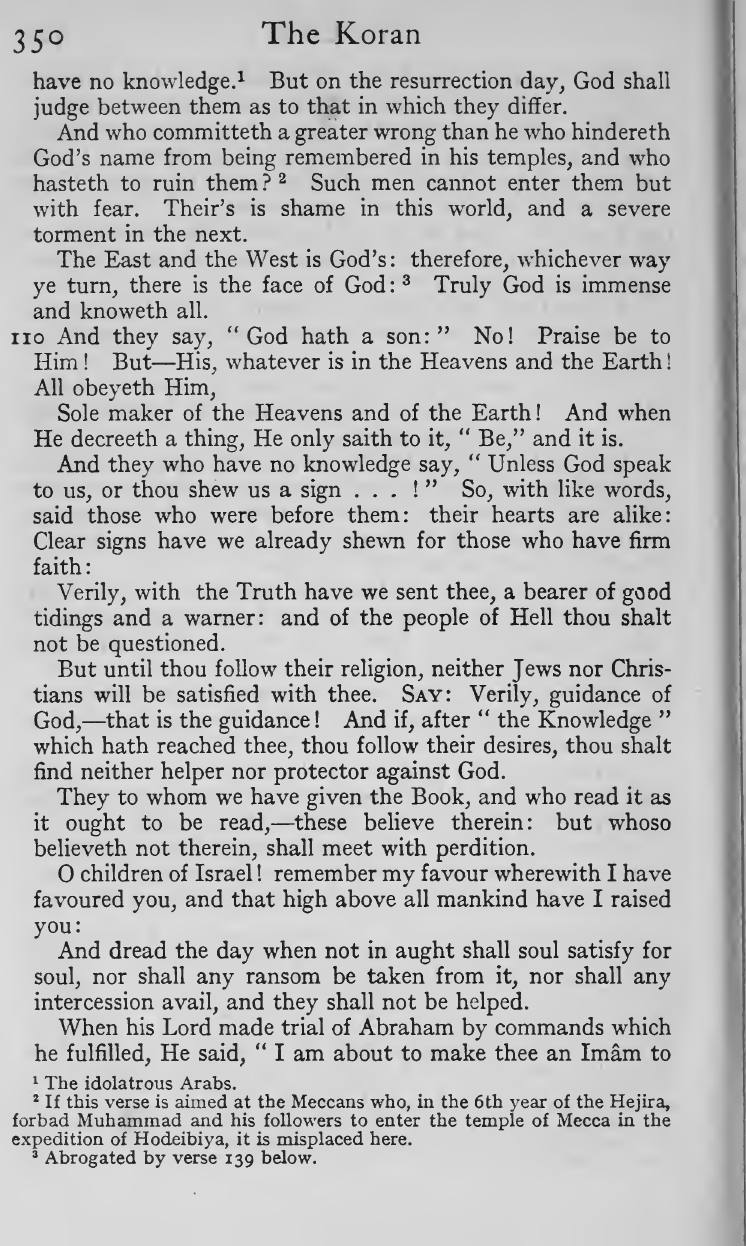
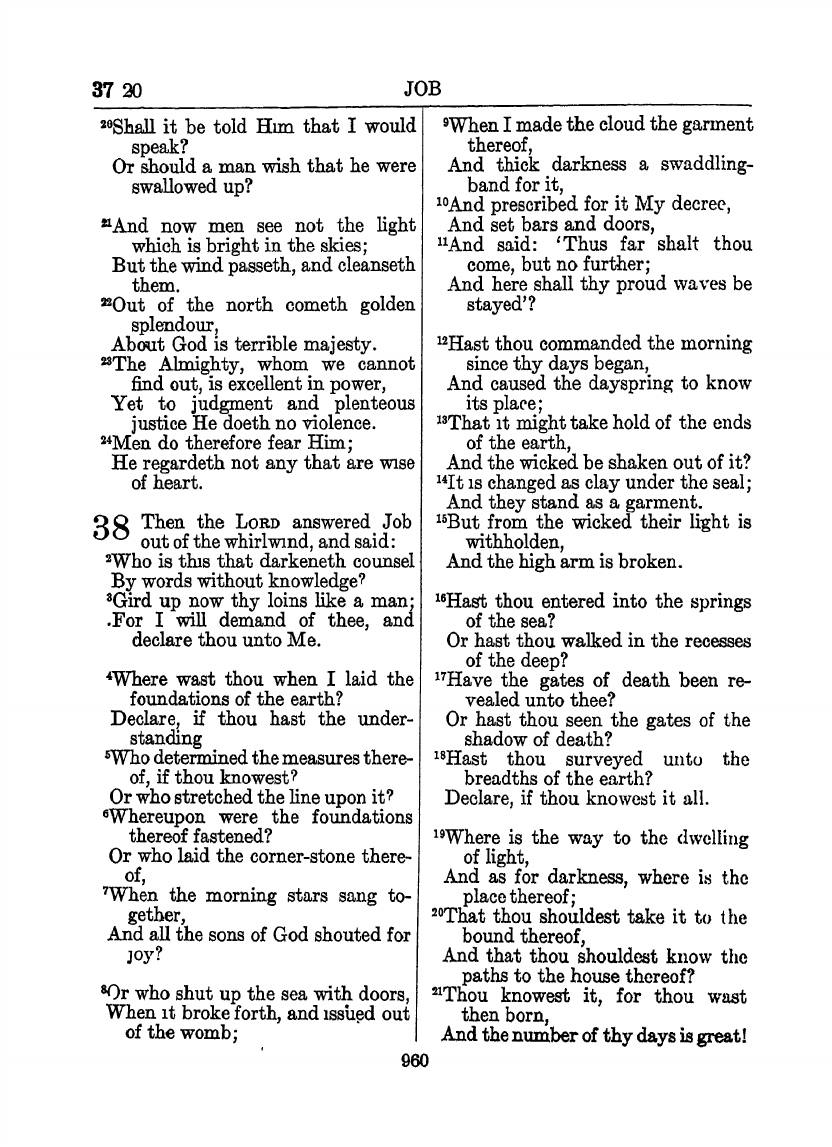
To the man who asks how the world was made, God answers Job with a question of his own: “Where wast thou when I laid the foundations of the earth? Declare, if thou hast the understanding” (Job 38:4).
Epicurus’s physics begins at exactly this point. “First of all, that nothing is created out of that which does not exist: for if it were, everything would be created out of everything with no need of seeds” (DL X.38). “The universe always was such as it is now, and always will be the same” (X.39). Lucretius states the first principle in the form the Abrahamists would deny: “nothing is ever gotten out of nothing by divine power” (Lucretius I.149–150).
The Argument from Design
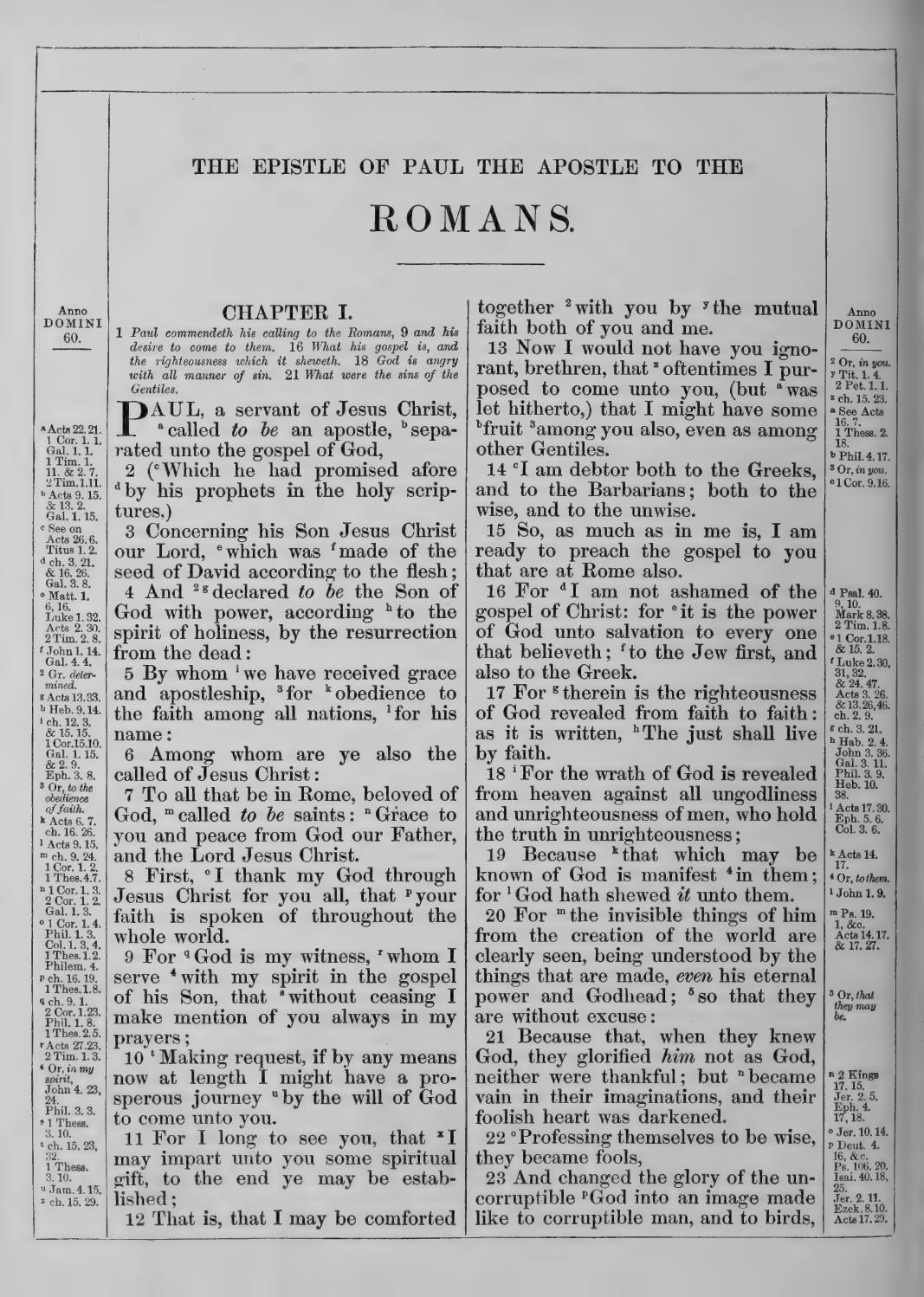
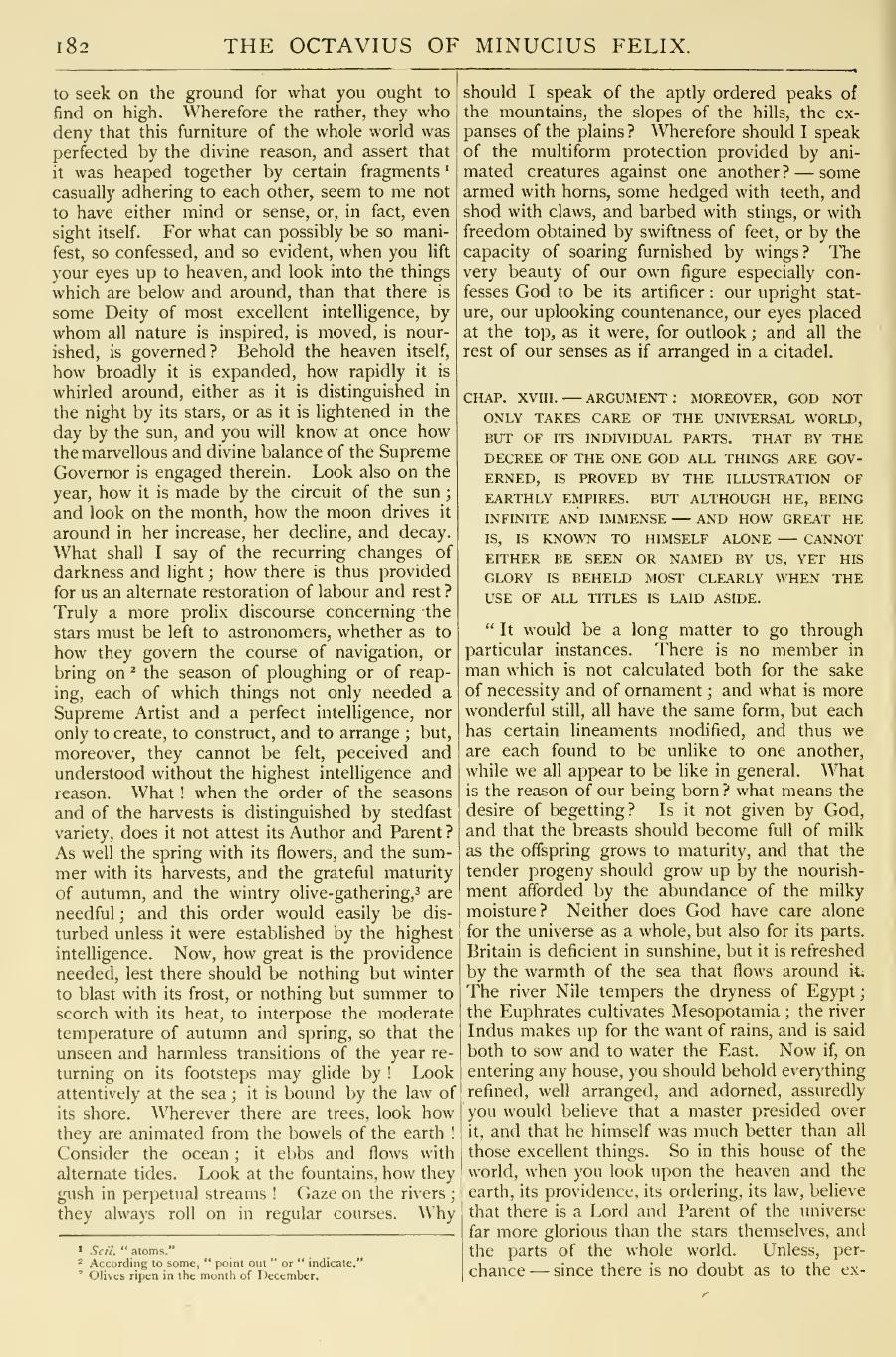
Section titled “The Argument from Design”Paul states the argument from design in its strongest form. Whoever looks at the world and does not see its maker is “without excuse”: “For the invisible things of him from the creation of the world are clearly seen, being understood by the things that are made, even his eternal power and Godhead; so that they are without excuse … Professing themselves to be wise, they became fools” (Romans 1:20–22). The Christian apologist Minucius Felix says of those who think the world “was heaped together by certain fragments casually adhering to each other” that they “seem to me not to have either mind or sense, or, in fact, even sight itself” (Octavius XVII).
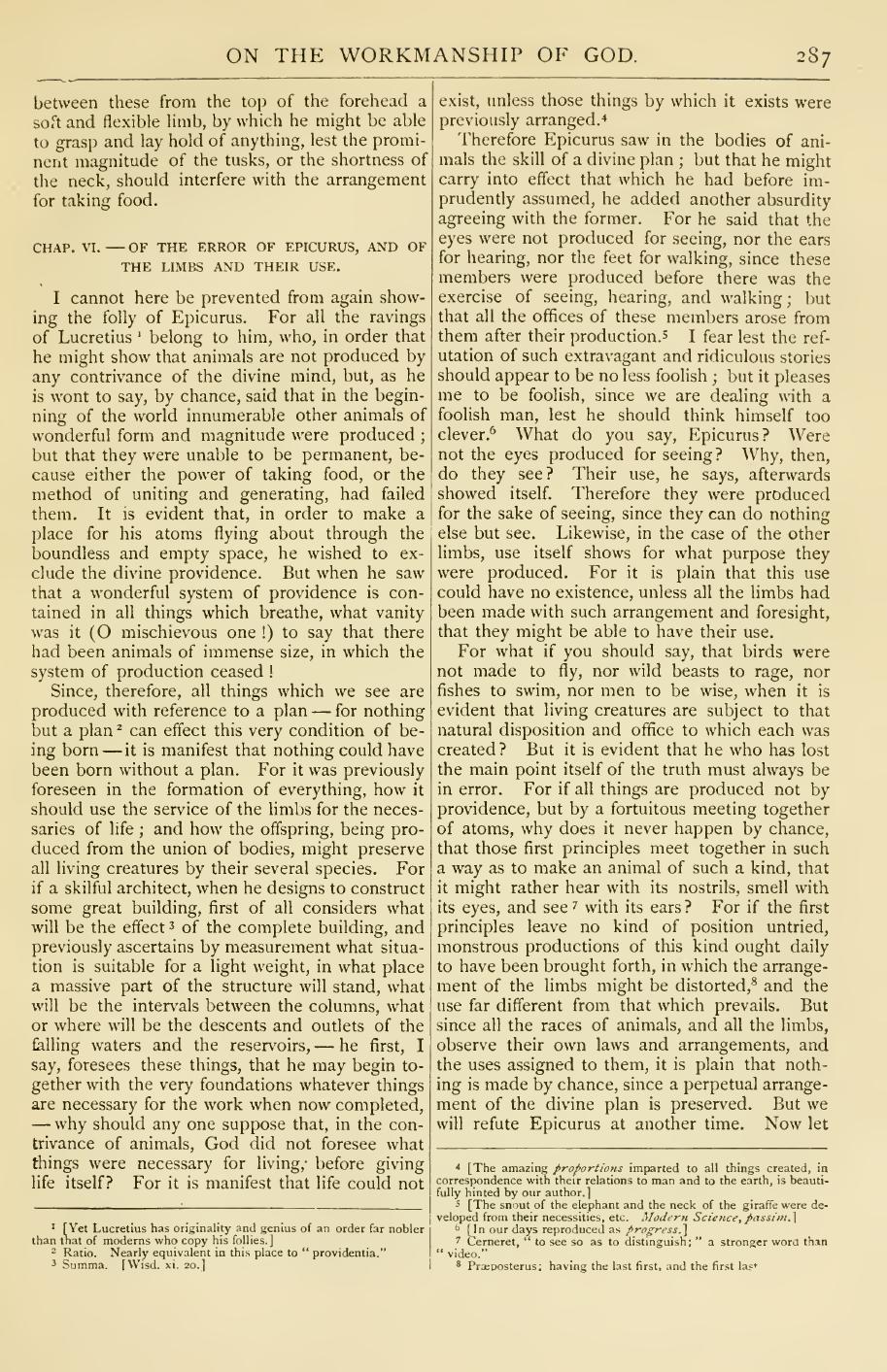
Lactantius attacks Epicurus’s answer to the argument from design directly. Epicurus “said that the eyes were not produced for seeing, nor the ears for hearing, nor the feet for walking, since these members were produced before there was exercise of seeing, hearing, and walking … What do you say, Epicurus? Were not the eyes produced for seeing? Why, then, do they see?” (On the Workmanship of God VI). The answer Lactantius mocks is the one Lucretius gives: “nothing was born in the body that we might use it, but that which is born begets itself a use” (Lucretius IV.832–835). The eyes see because they were formed with the power of seeing, and the creatures whose parts did not work did not survive to leave descendants. And Lucretius adds the evidence of the world’s defects: “the nature of the world has by no means been made for us by divine power: so great are the defects with which it stands encumbered” (II.180–181).
Providence Over Every Sparrow
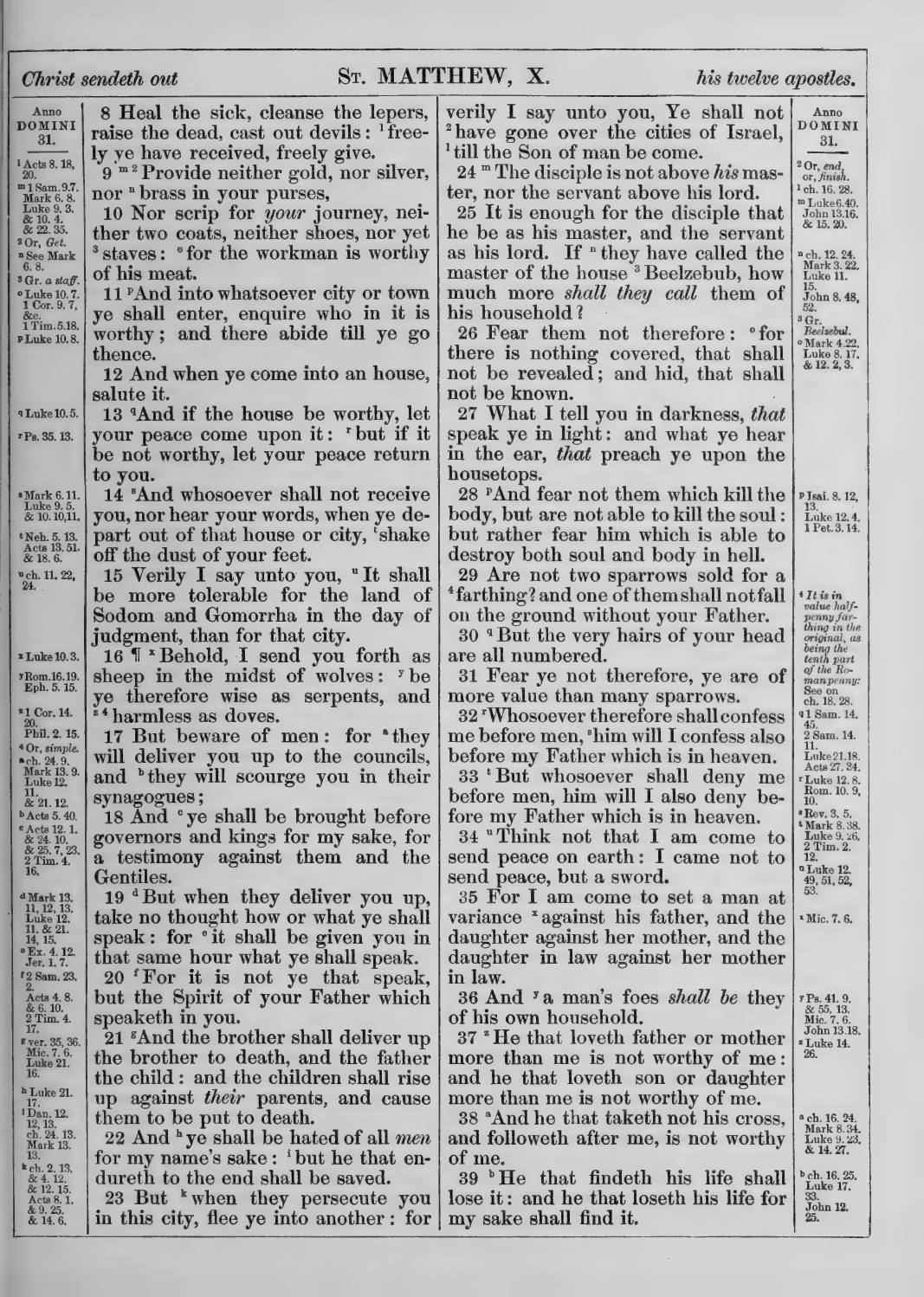
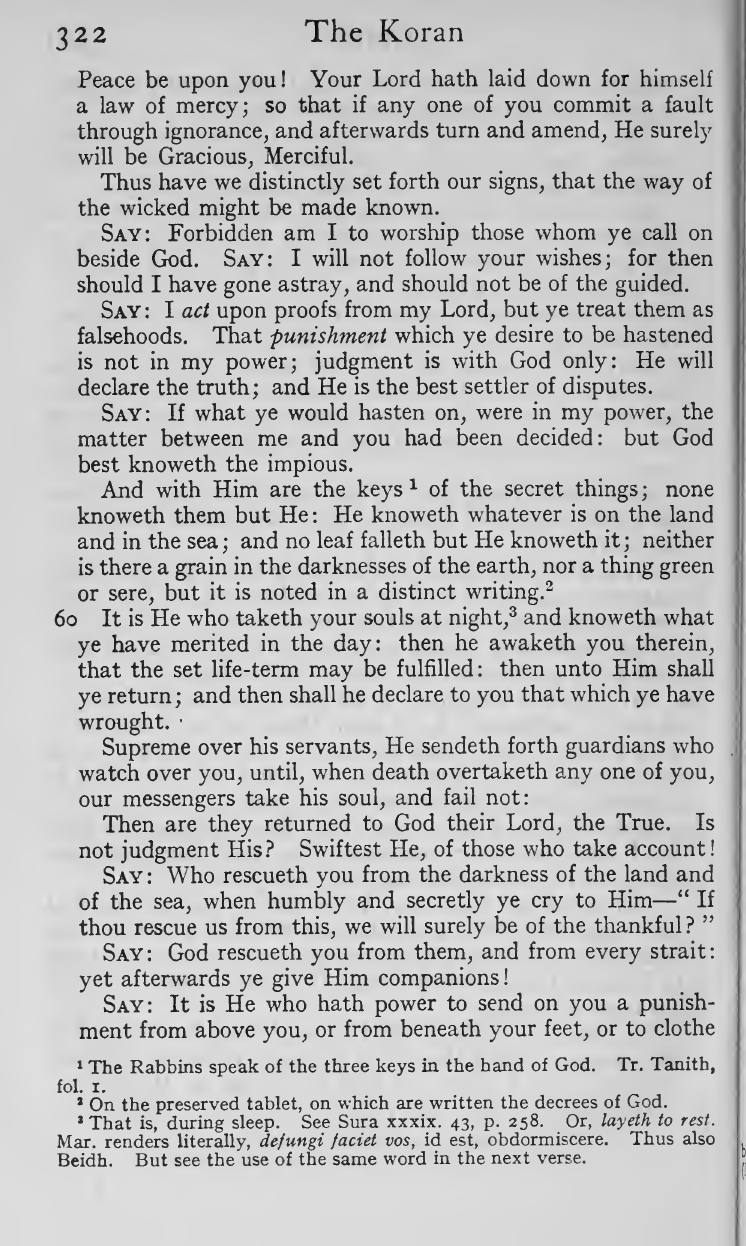
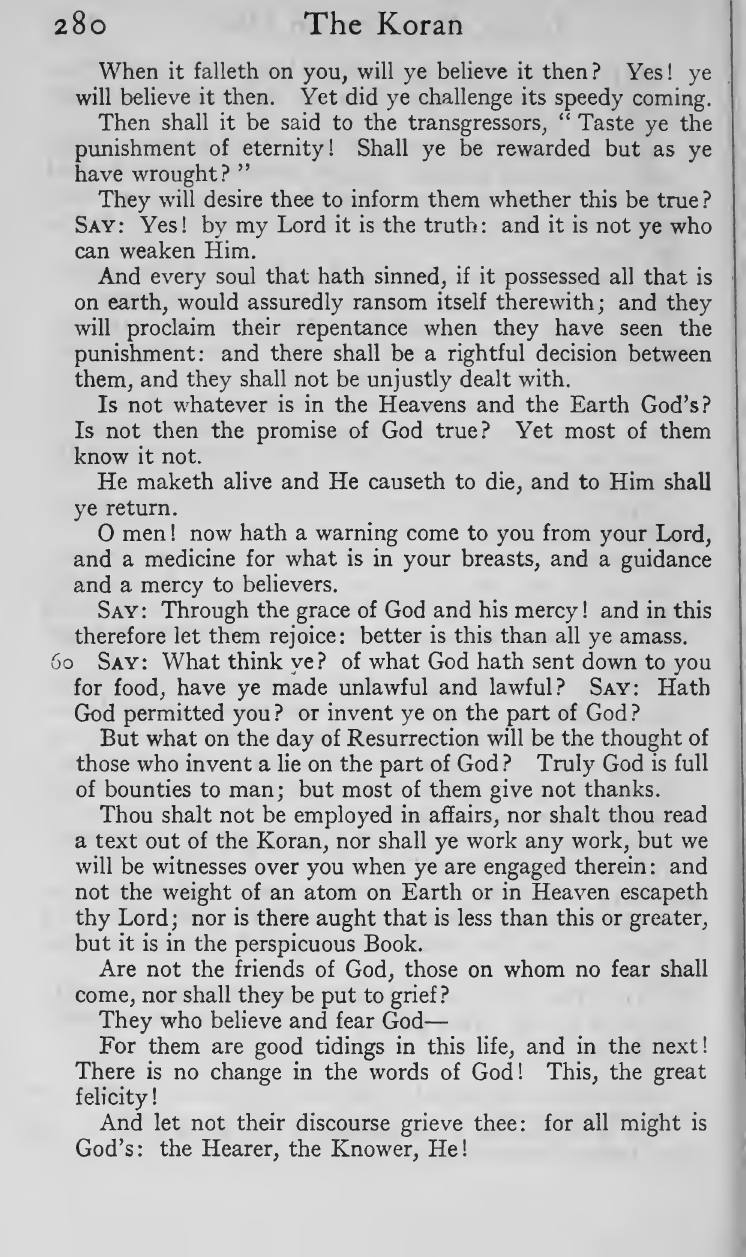
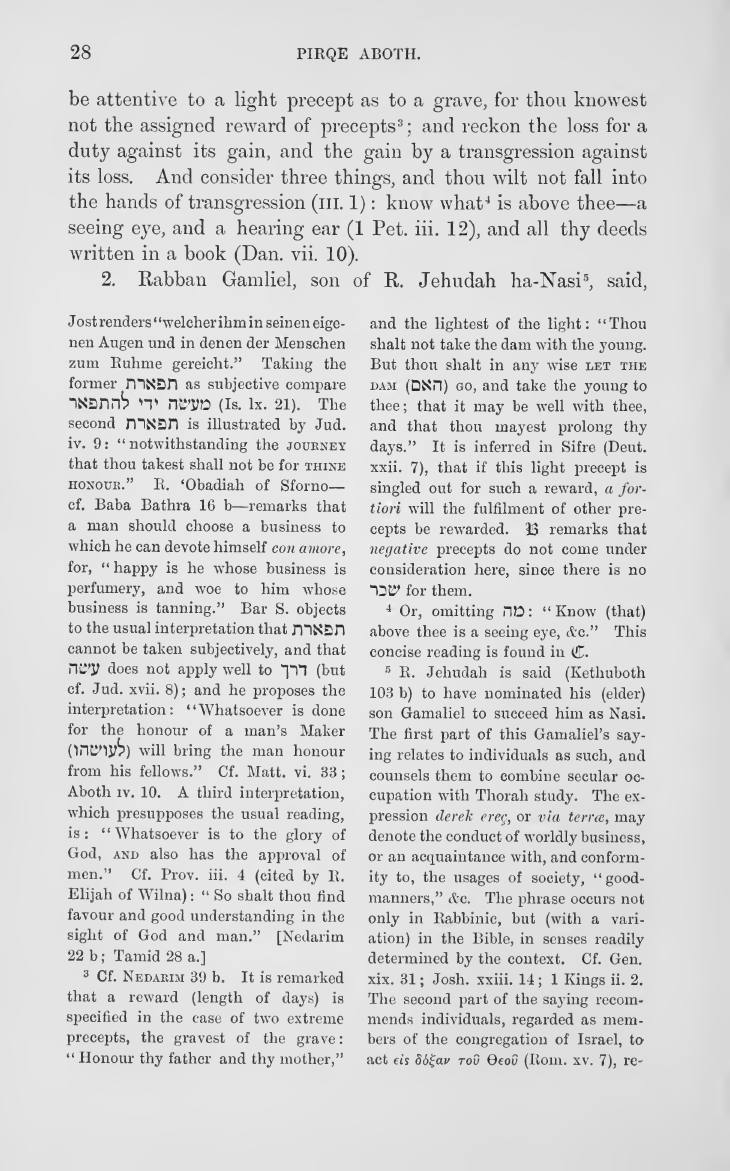
Section titled “Providence Over Every Sparrow”The God of the Abrahamists does not merely make the world. He watches and governs every part of it. “Are not two sparrows sold for a farthing? and one of them shall not fall on the ground without your Father. But the very hairs of your head are all numbered” (Matthew 10:29–30). “He knoweth whatever is on the land and in the sea; and no leaf falleth but He knoweth it” (Koran 6:59), and “not the weight of an atom on Earth or in Heaven escapeth thy Lord” (10:61). The Mishnah tells the student to “know what is above thee—a seeing eye, and a hearing ear, and all thy deeds written in a book” (Avot 2:1).
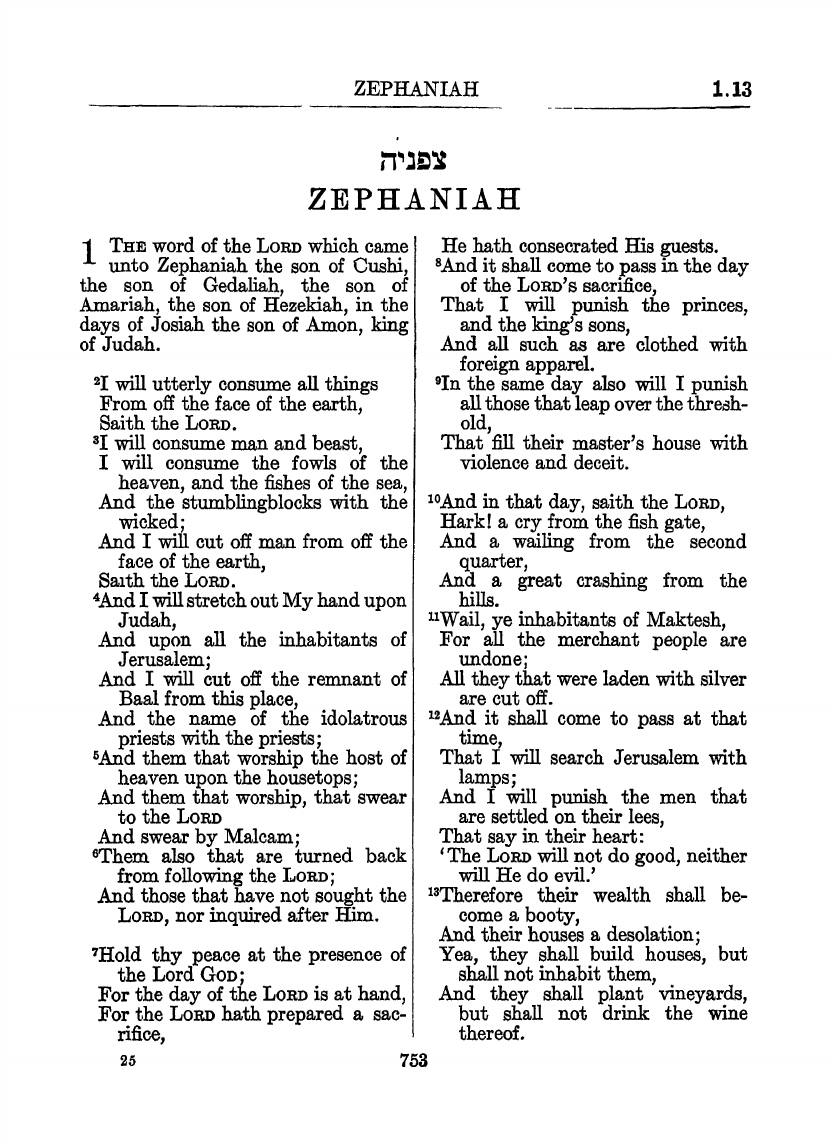
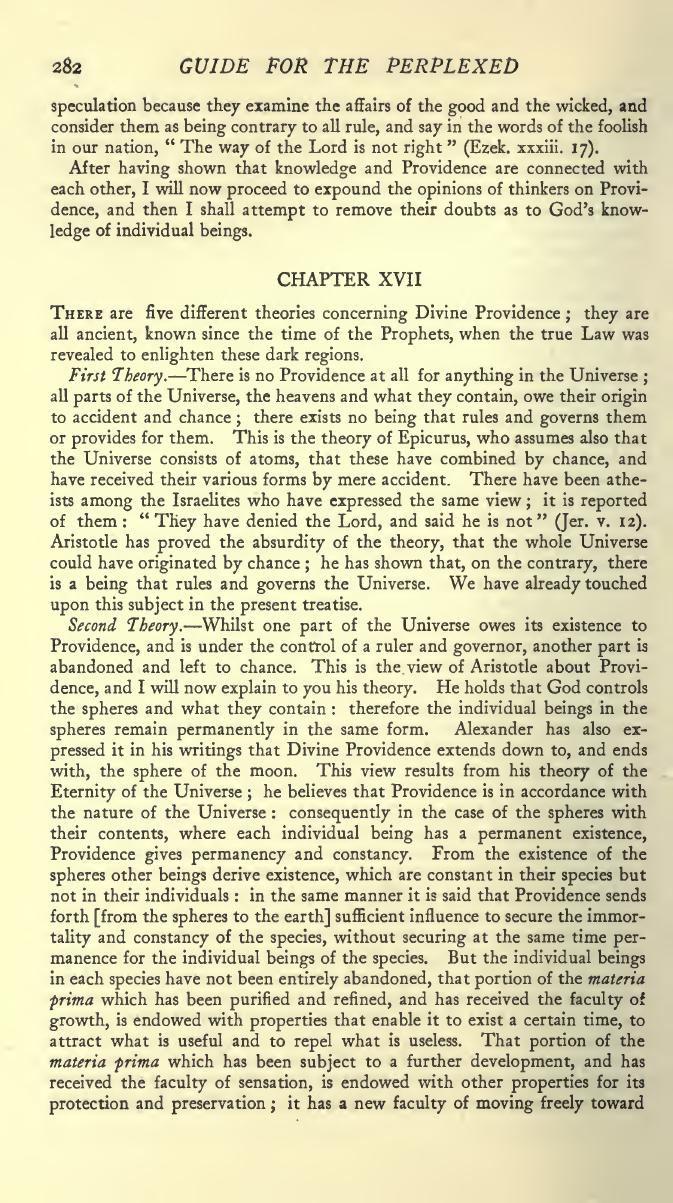
The Hebrew prophets condemn by name the view that Epicurus taught. God promises to punish “the men … That say in their heart: ‘The LORD will not do good, neither will He do evil’” (Zephaniah 1:12). That is very nearly Epicurus’s first doctrine: “The blessed and immortal nature knows no trouble itself nor causes trouble to any other, so that it is never constrained by anger or favour” (PD 1). Maimonides makes the denial of providence the third mark of the apikoros, and in his Guide for the Perplexed names Epicurus as its author: “There is no Providence at all for anything in the Universe … This is the theory of Epicurus, who assumes also that the Universe consists of atoms, that these have combined by chance” (Guide III.17, tr. Friedländer).
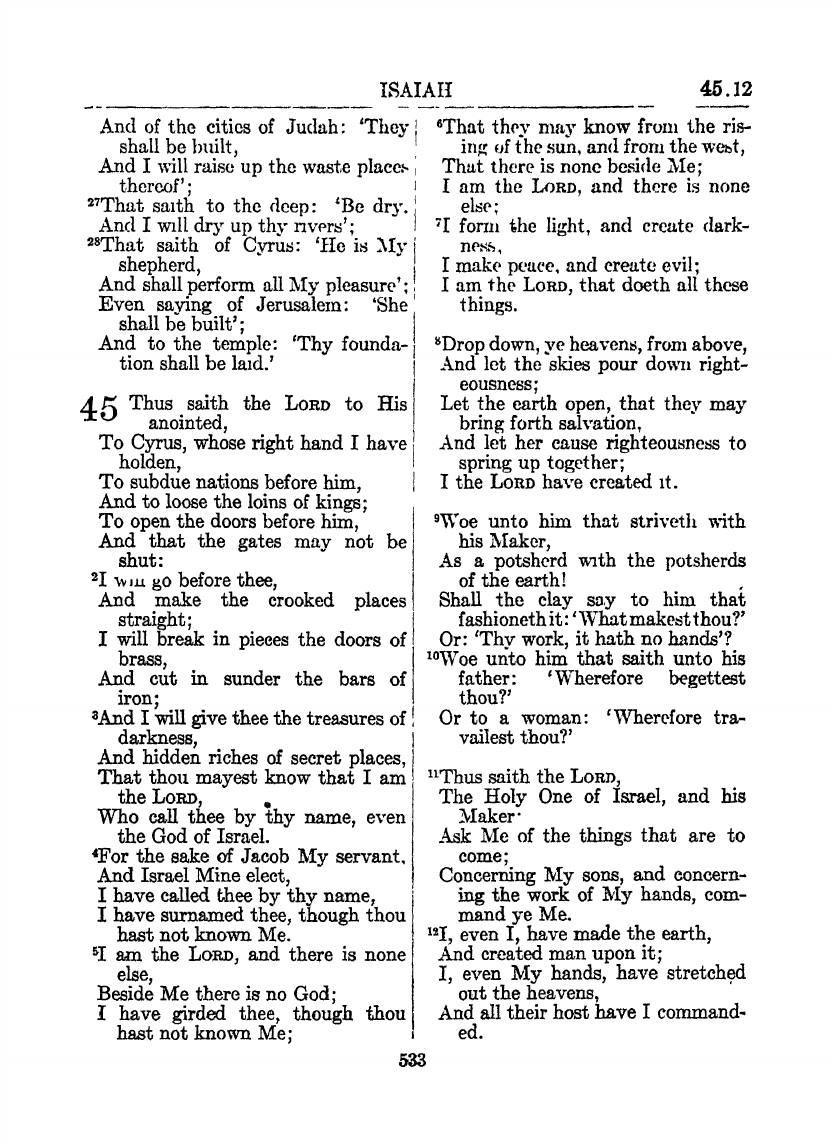
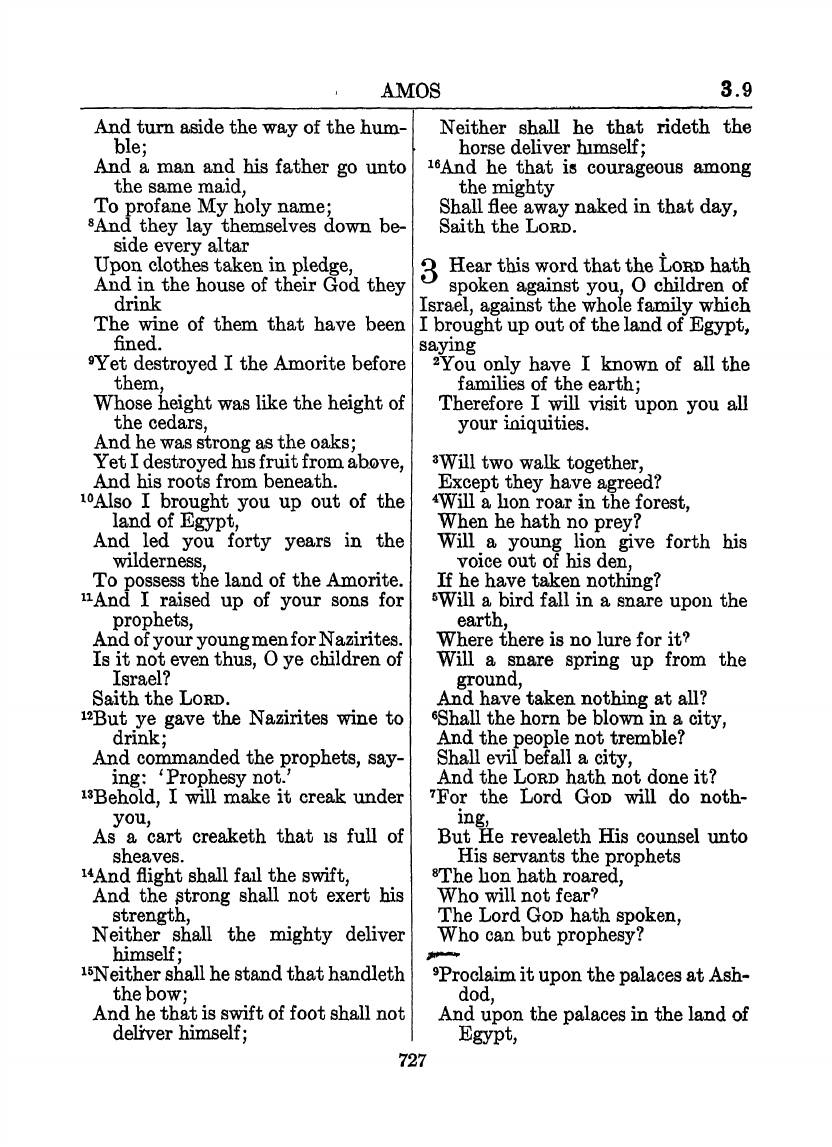
The scriptures also accept the price of total providence. If God governs everything, he governs evil too: “I form the light, and create darkness; I make peace, and create evil; I am the LORD, that doeth all these things” (Isaiah 45:7). “Shall evil befall a city, And the LORD hath not done it?” (Amos 3:6). Lactantius preserves the Epicurean argument that this cannot be squared with a good God: “God, he says, either wishes to take away evils, and is unable; or He is able, and is unwilling; or He is neither willing nor able, or He is both willing and able … if He is both willing and able, which alone is suitable to God, from what source then are evils? Or why does He not remove them?” (On the Anger of God 13, tr. Fletcher). Lactantius admits that “many of the philosophers, who defend providence, are accustomed to be disturbed by this argument.”
The Soul, the Resurrection and Hell
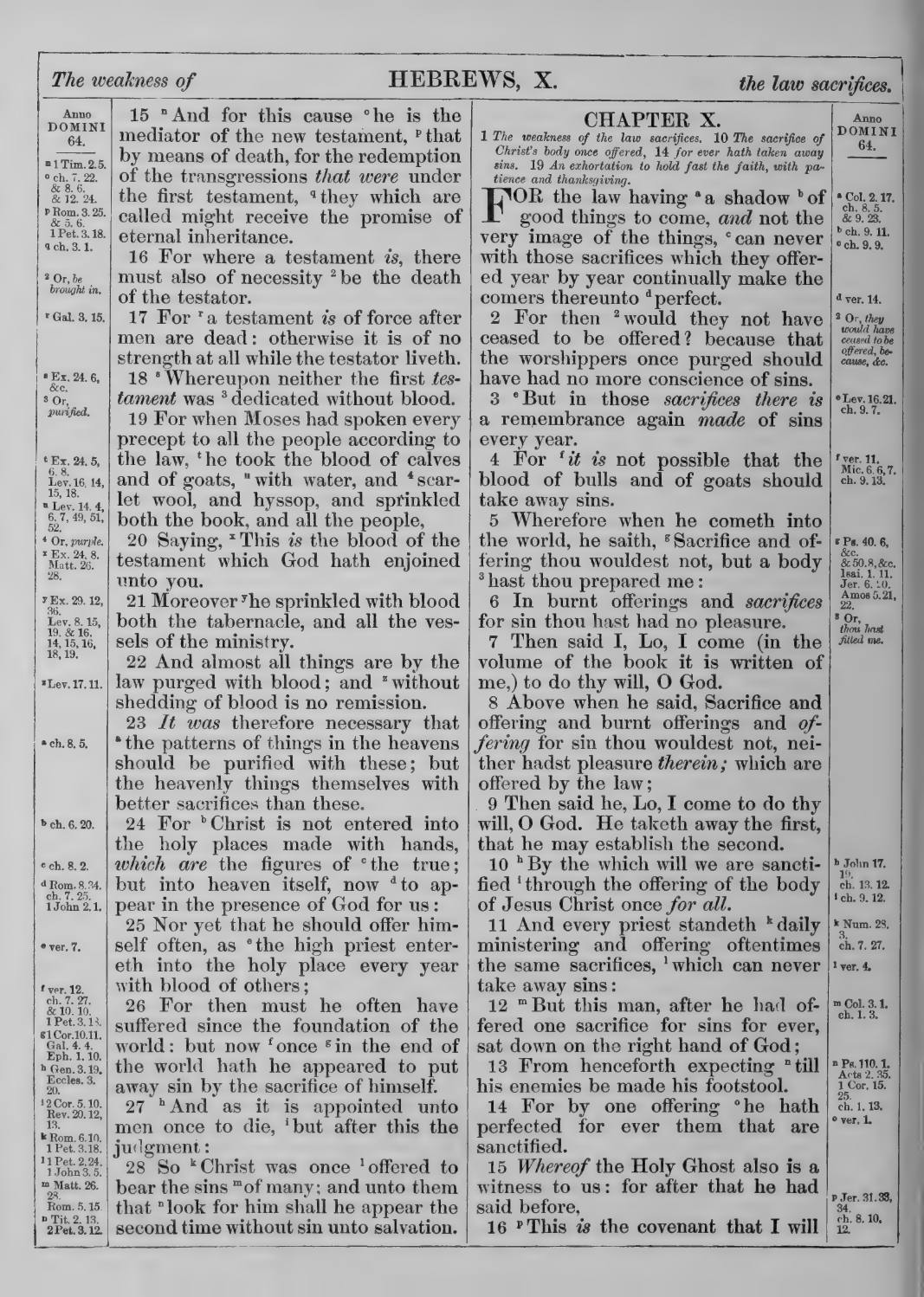
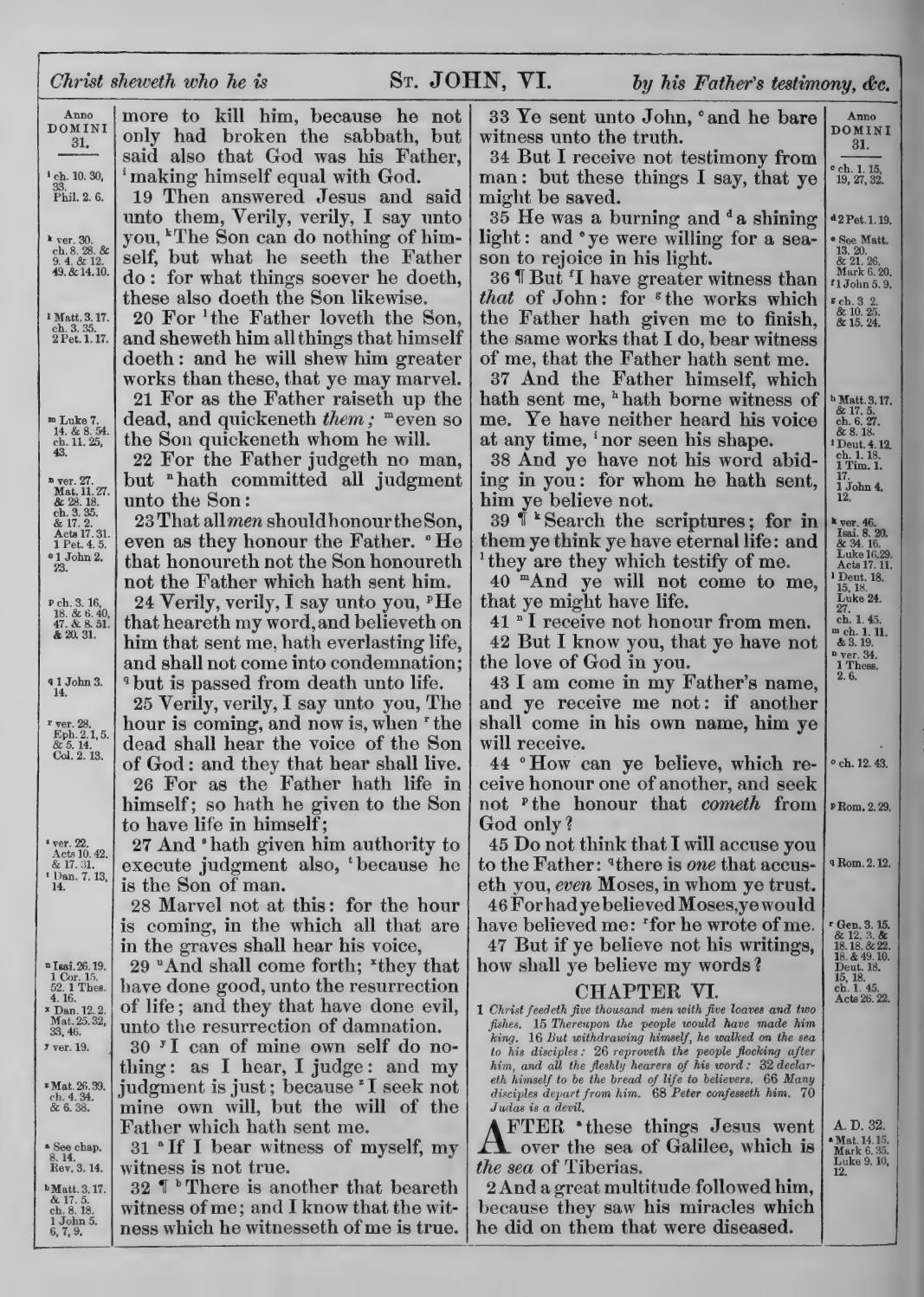
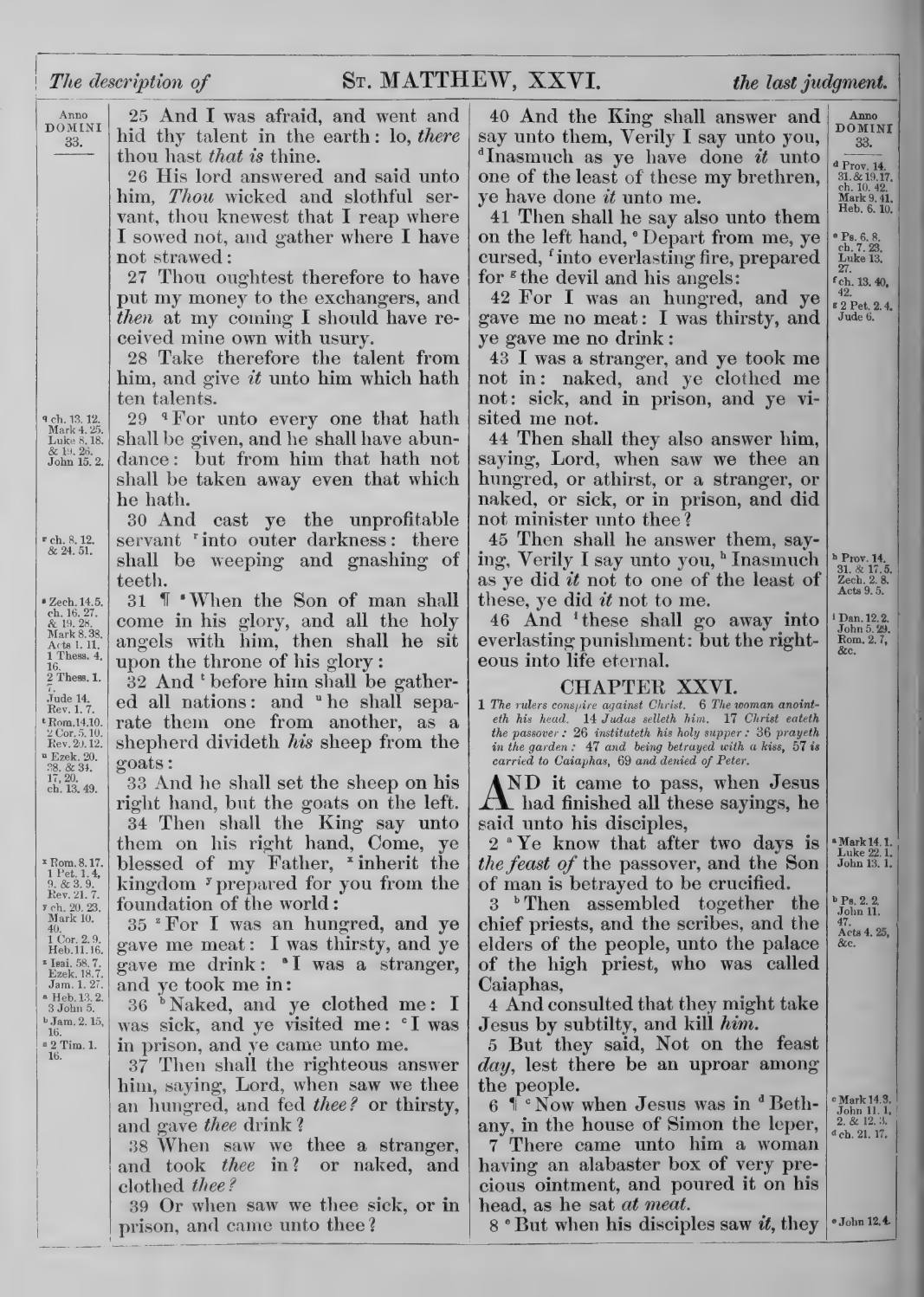
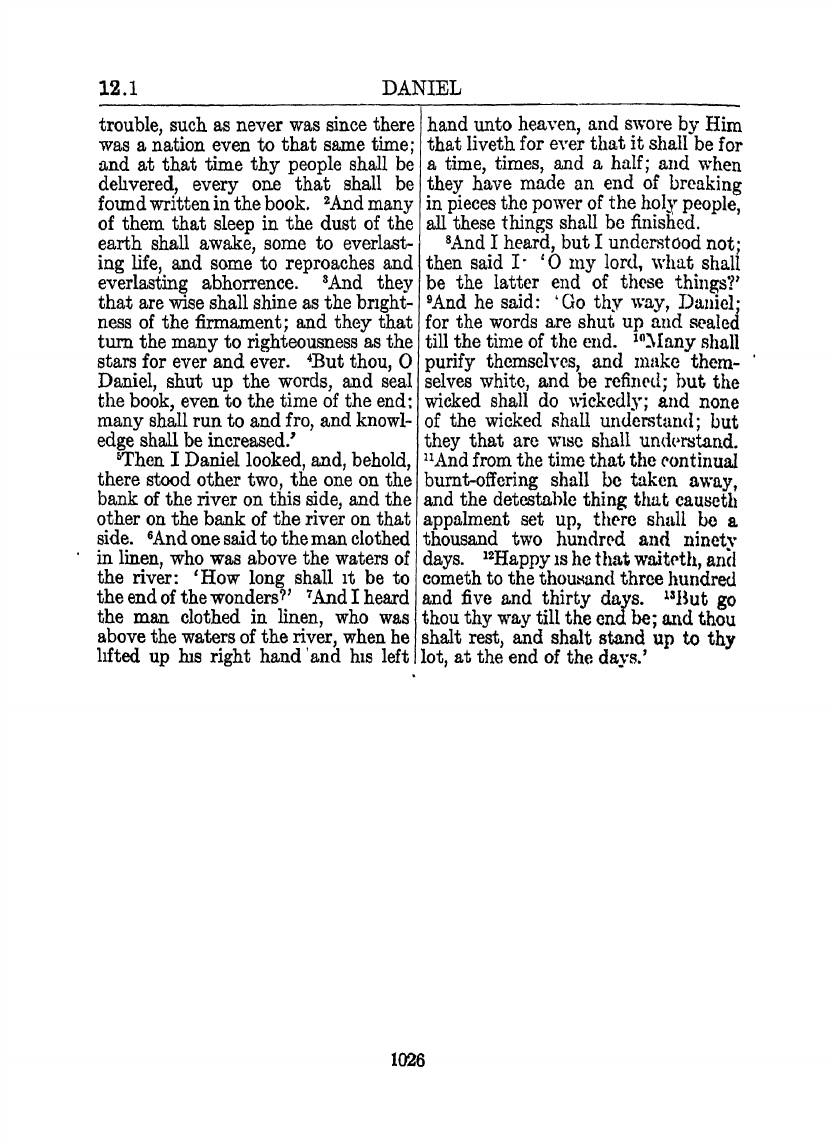
Section titled “The Soul, the Resurrection and Hell”Epicurus taught that the soul is a body of fine atoms that is scattered at death, so that “death is nothing to us.” The Abrahamic religions teach that death is the beginning of judgment. “And as it is appointed unto men once to die, but after this the judgment” (Hebrews 9:27). “All that are in the graves shall hear his voice, And shall come forth; they that have done good, unto the resurrection of life; and they that have done evil, unto the resurrection of damnation” (John 5:28–29). “Depart from me, ye cursed, into everlasting fire, prepared for the devil and his angels … And these shall go away into everlasting punishment: but the righteous into life eternal” (Matthew 25:41, 46). The Hebrew Bible: “many of them that sleep in the dust of the earth shall awake, some to everlasting life, and some to reproaches and everlasting abhorrence” (Daniel 12:2).
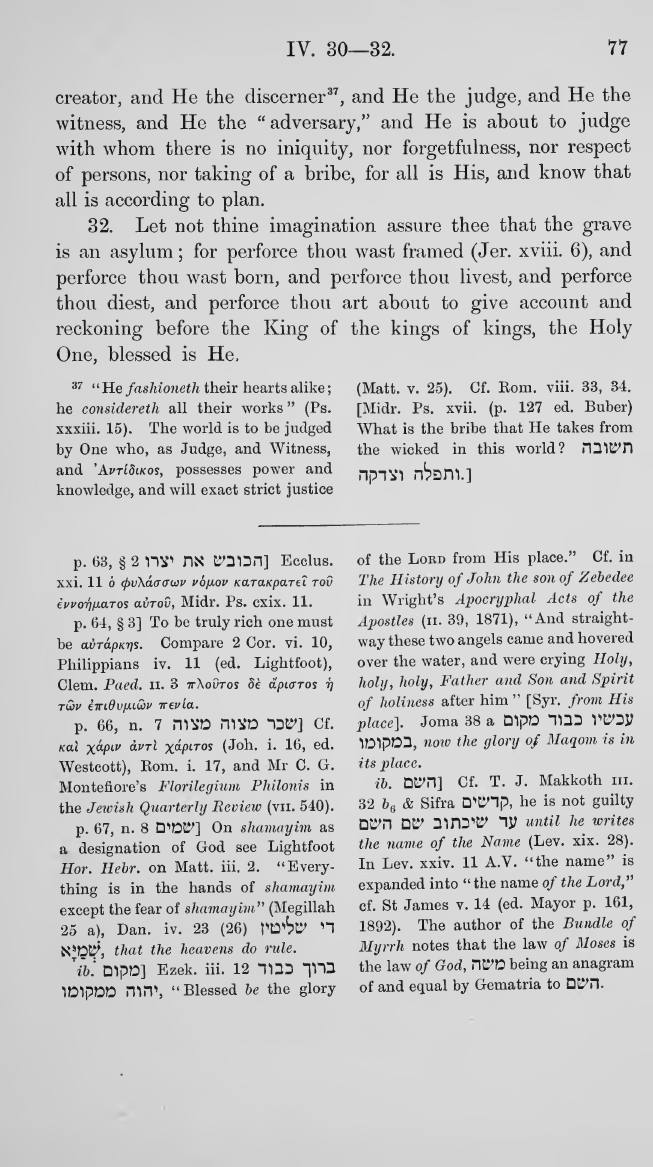
Where Epicurus taught men not to fear death, the Gospel commands them to fear what comes after it: “fear not them which kill the body, but are not able to kill the soul: but rather fear him which is able to destroy both soul and body in hell” (Matthew 10:28). The Mishnah closes the door Epicurus opened: “Let not thine imagination assure thee that the grave is an asylum; for perforce thou wast framed, and perforce thou wast born, and perforce thou livest, and perforce thou diest, and perforce thou art about to give account and reckoning before the King of the kings of kings” (Avot 4:22).
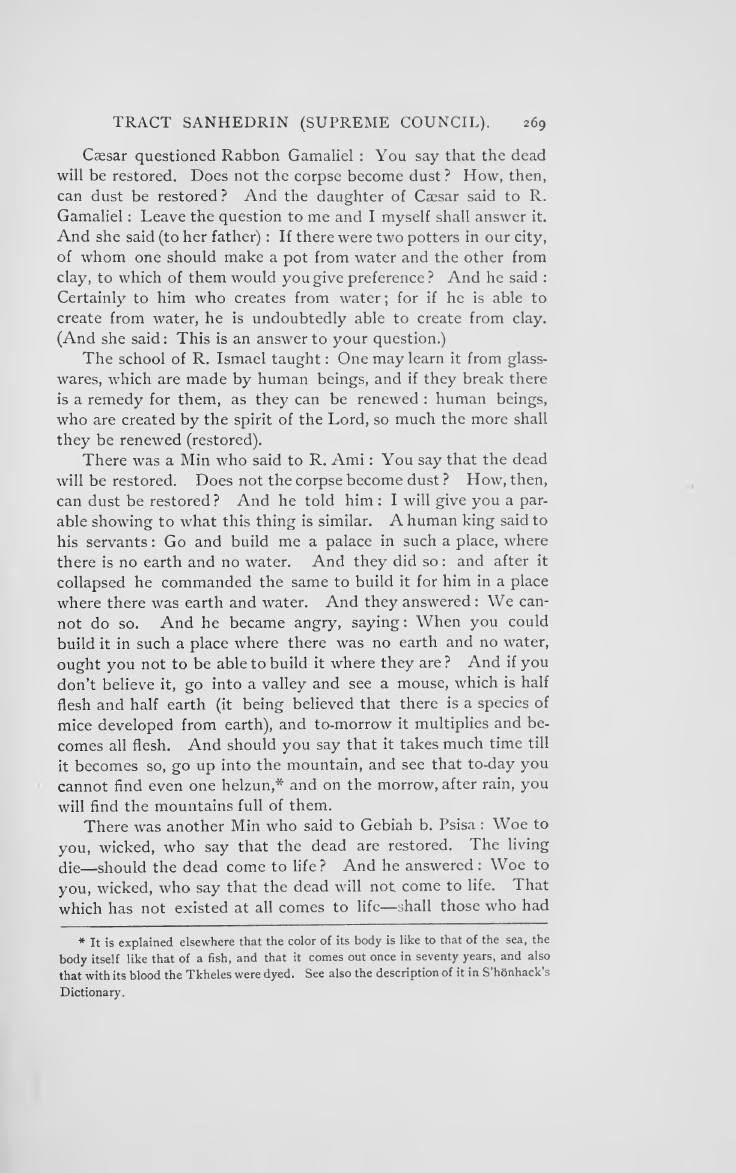
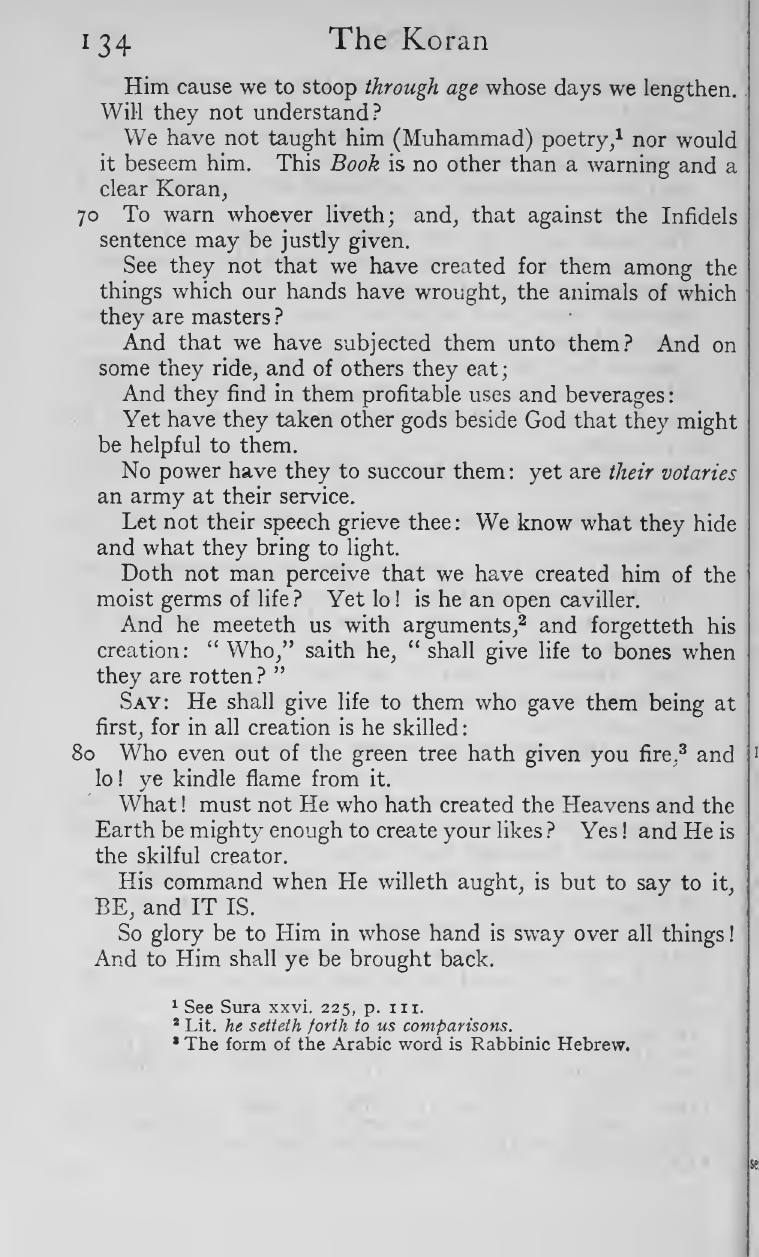
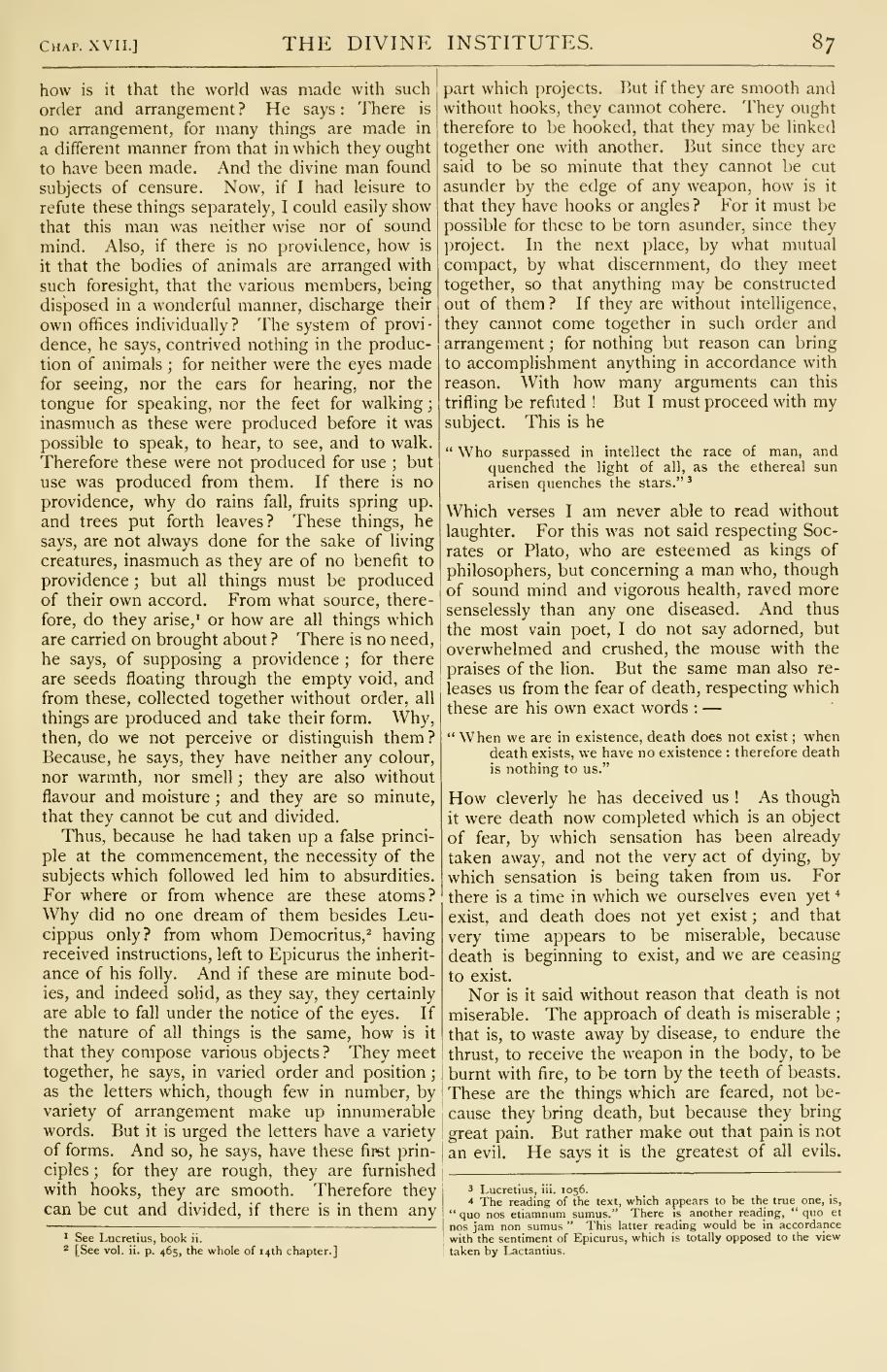
The materialist objection that the body returns to dust is answered in all three traditions by the power of the creator. In the Talmud, Caesar asks Rabban Gamaliel, “Does not the corpse become dust? How, then, can dust be restored?” (Sanhedrin 90b–91a). In the Koran the unbeliever asks, “‘Who … shall give life to bones when they are rotten?’ SAY: He shall give life to them who gave them being at first” (Koran 36:78–79). Lactantius quotes Epicurus’s own words, “When we are in existence, death does not exist; when death exists, we have no existence: therefore death is nothing to us,” and replies that it is not death itself we fear but “the very act of dying” (Divine Institutes III.17).
Epicurus’s answer is that the fear of judgment is the very evil his physics was meant to cure. “Become accustomed to the belief that death is nothing to us. For all good and evil consists in sensation, but death is deprivation of sensation” (DL X.124). “For there is nothing terrible in life for the man who has truly comprehended that there is nothing terrible in not living” (X.125). Lucretius gave a whole book to the proofs that the soul is mortal, ending: “Death therefore to us is nothing, concerns us not a jot, since the nature of the mind is proved to be mortal.”
Ethics: Obedience Against Pleasure
Section titled “Ethics: Obedience Against Pleasure”Pleasure Condemned
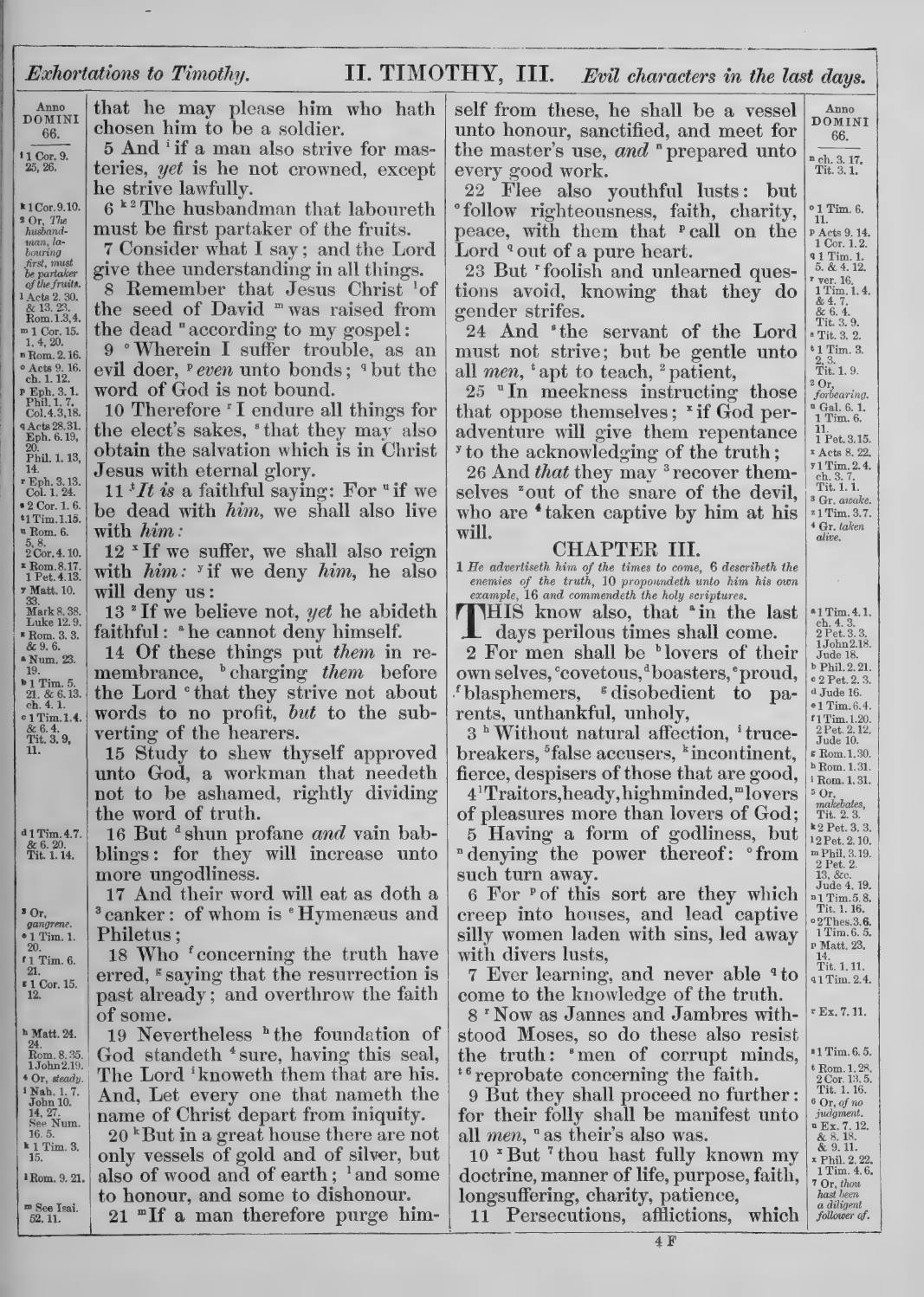
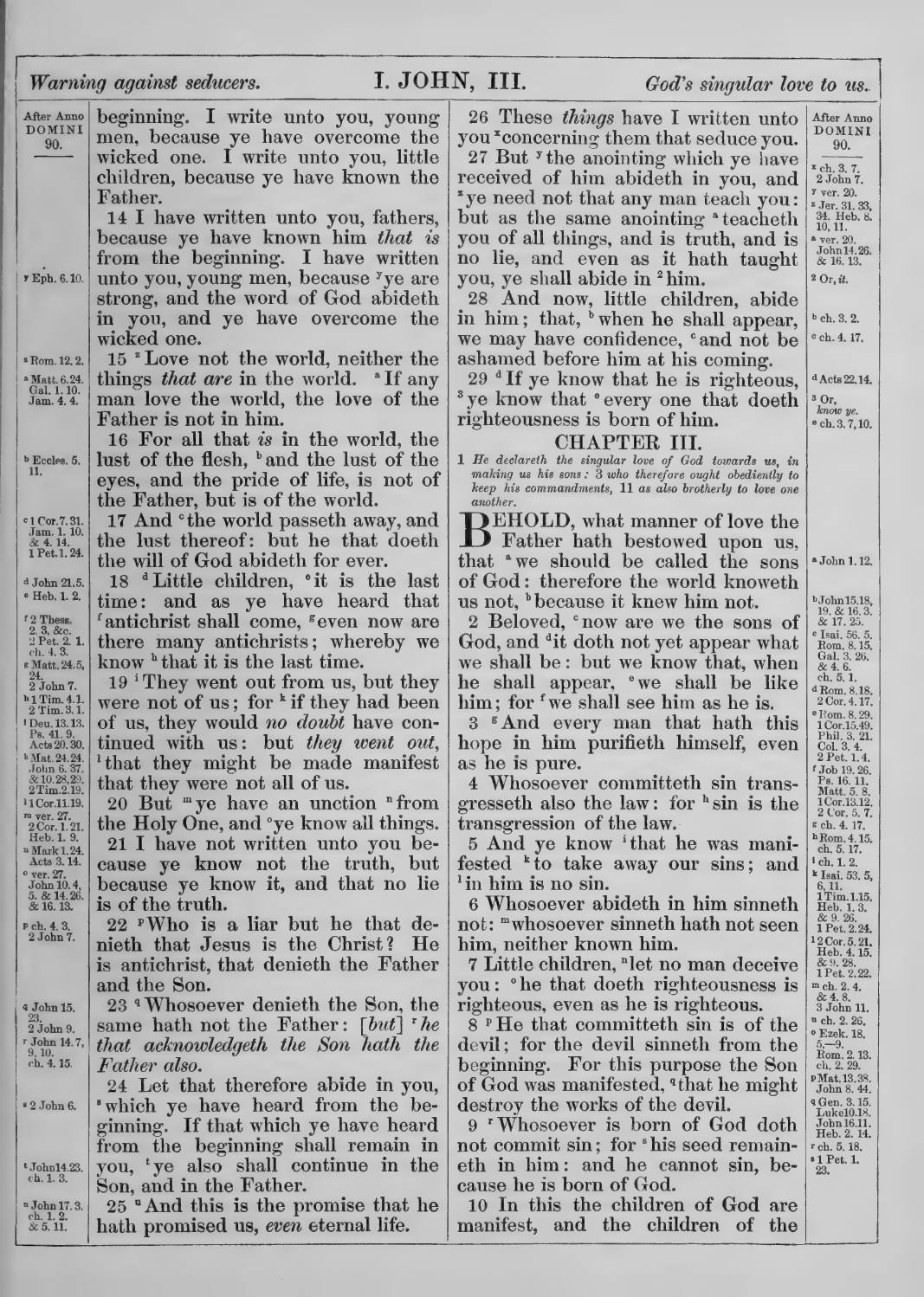
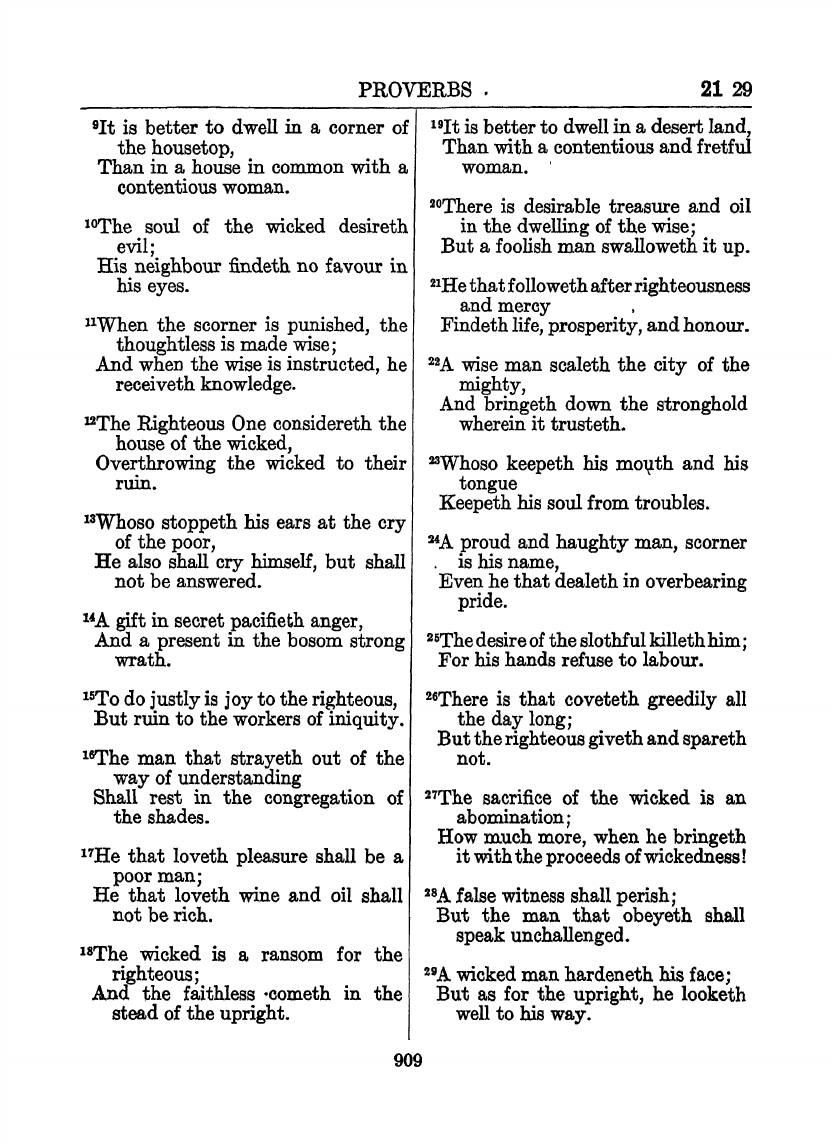
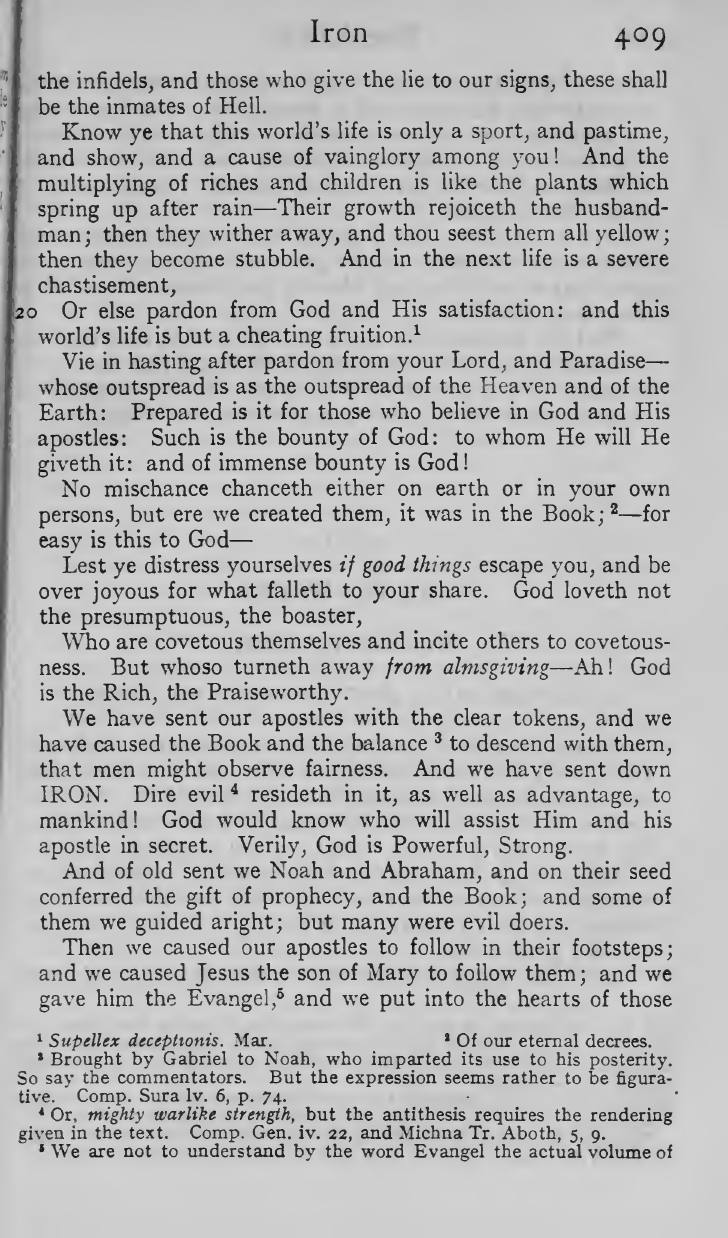
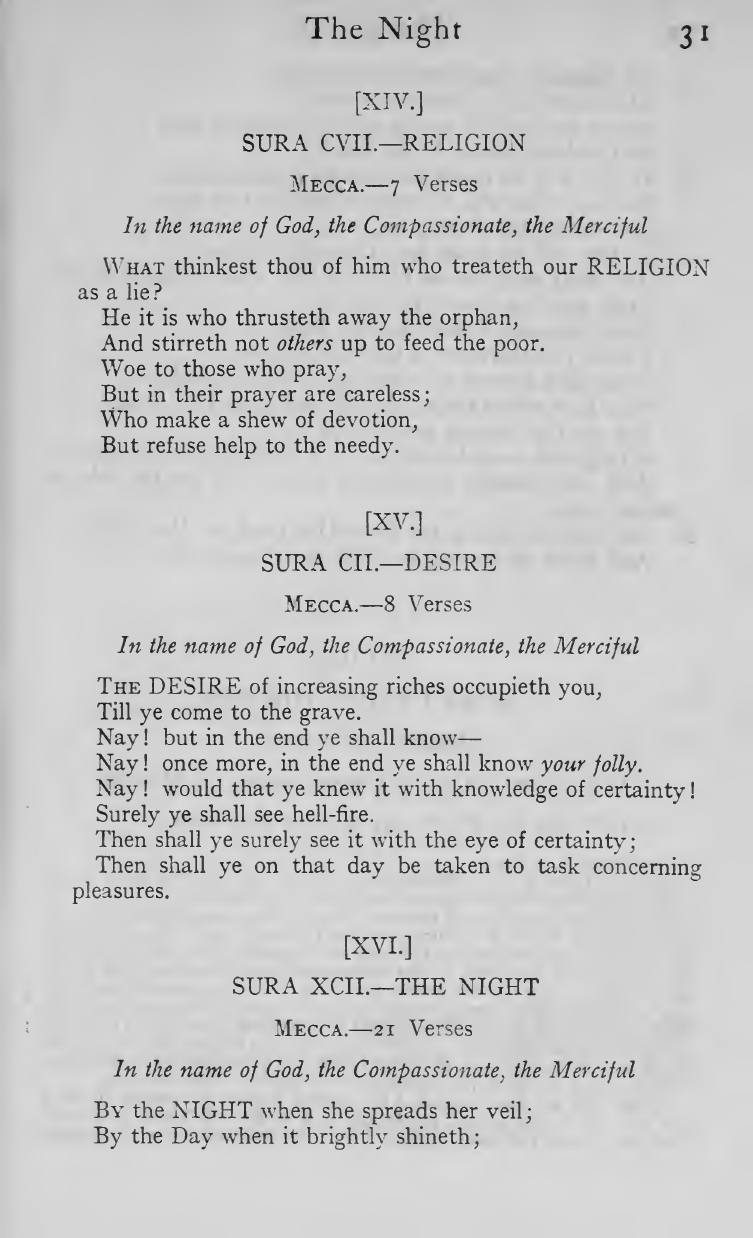
Section titled “Pleasure Condemned”The Abrahamic scriptures treat the love of pleasure as a mark of the wicked. In a list of the vices of “the last days,” men will be “lovers of pleasures more than lovers of God” (2 Timothy 3:4). “Love not the world, neither the things that are in the world … For all that is in the world, the lust of the flesh, and the lust of the eyes, and the pride of life, is not of the Father” (1 John 2:15–16). “He that loveth pleasure shall be a poor man” (Proverbs 21:17). The Koran: “this world’s life is only a sport, and pastime, and show … and this world’s life is but a cheating fruition” (Koran 57:20), and on the last day men “shall … be taken to task concerning pleasures” (102:8).
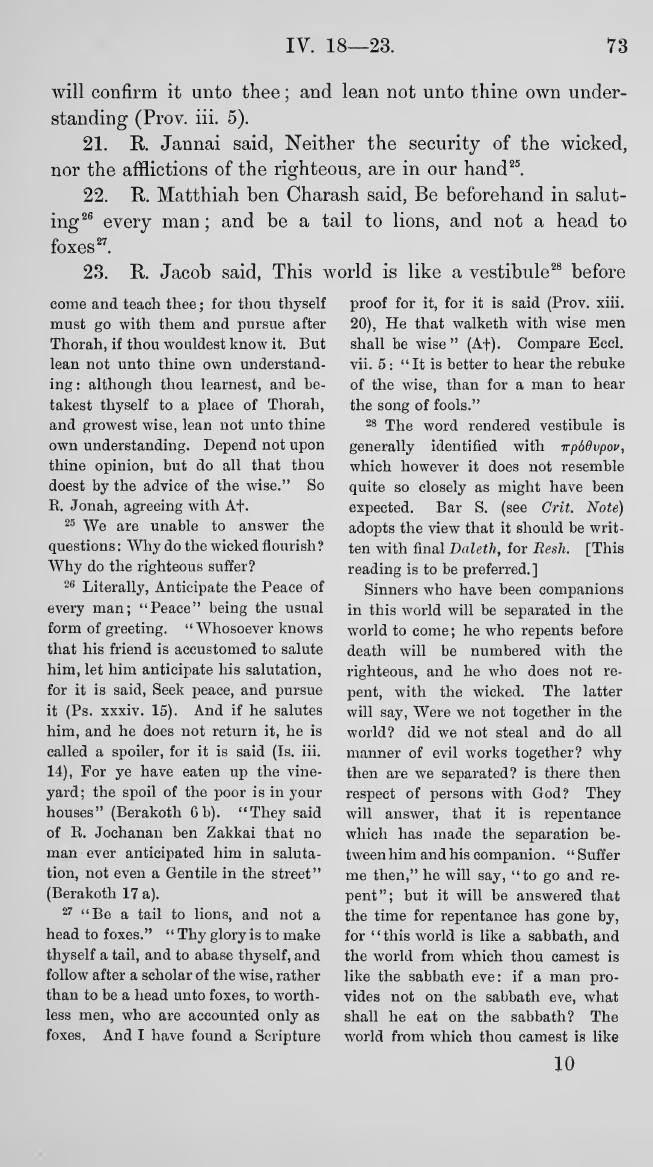
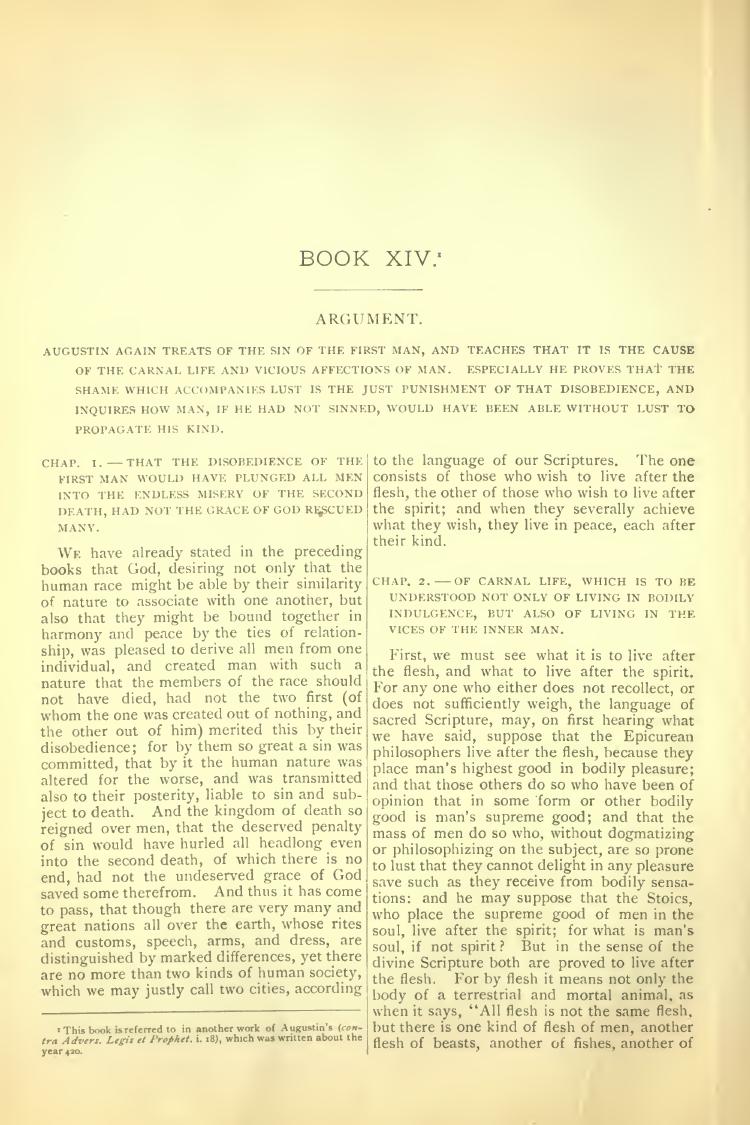
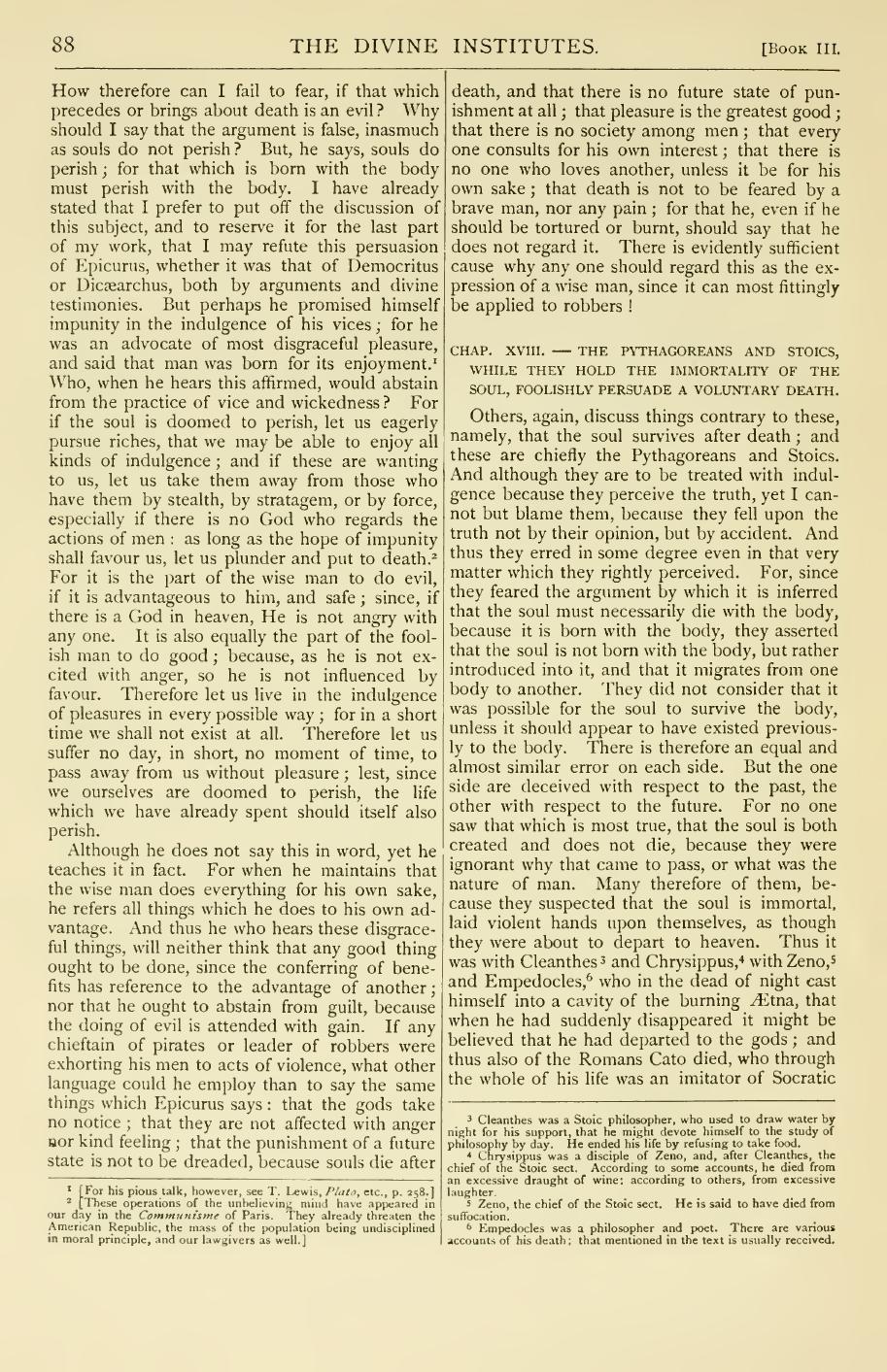
This life is only a waiting room. “This world is like a vestibule before the world to come; prepare thyself at the vestibule, that thou mayest be admitted into the hall” (Avot 4:16). Augustine names the Epicureans as the men who “live after the flesh, because they place man’s highest good in bodily pleasure” (City of God XIV.2), and Lactantius says Epicurus “was an advocate of most disgraceful pleasure, and said that man was born for its enjoyment” (Divine Institutes III.17).
”Let Us Eat and Drink, for Tomorrow We Die”
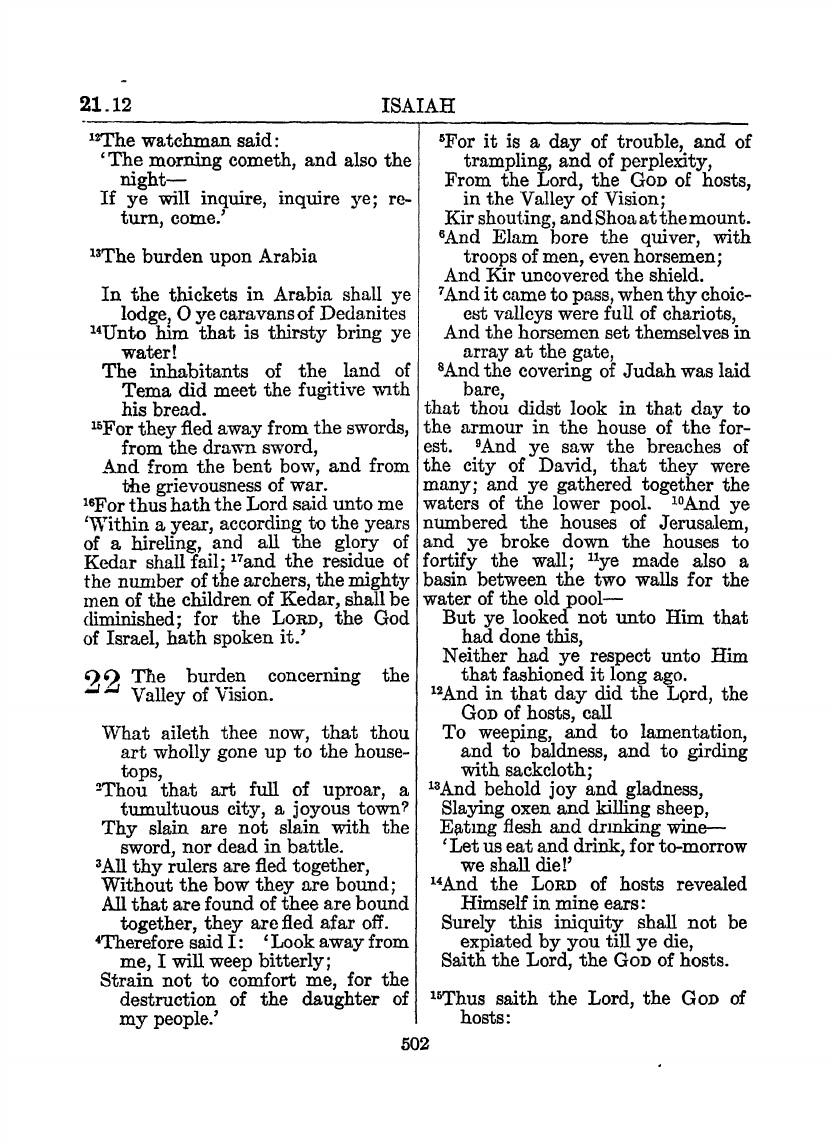
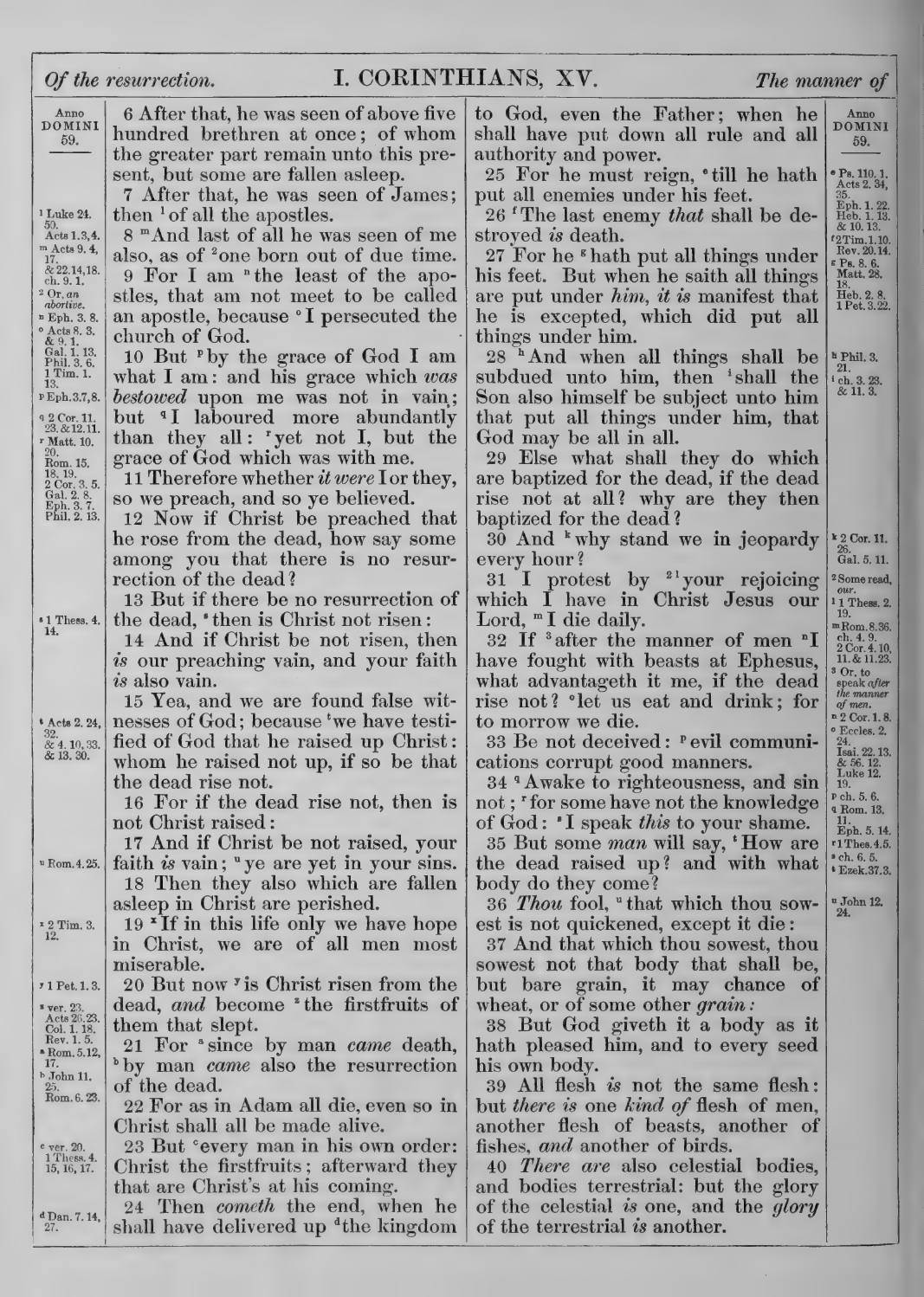
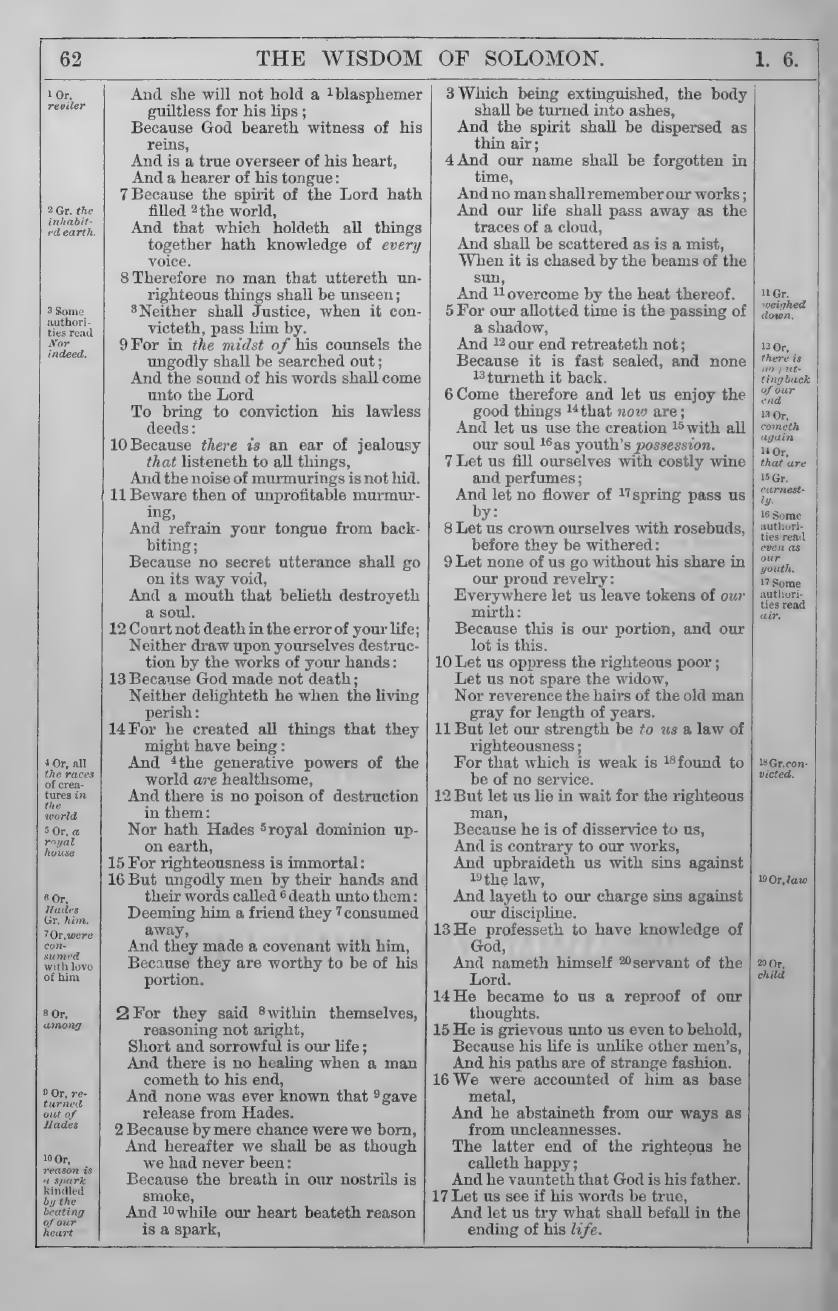
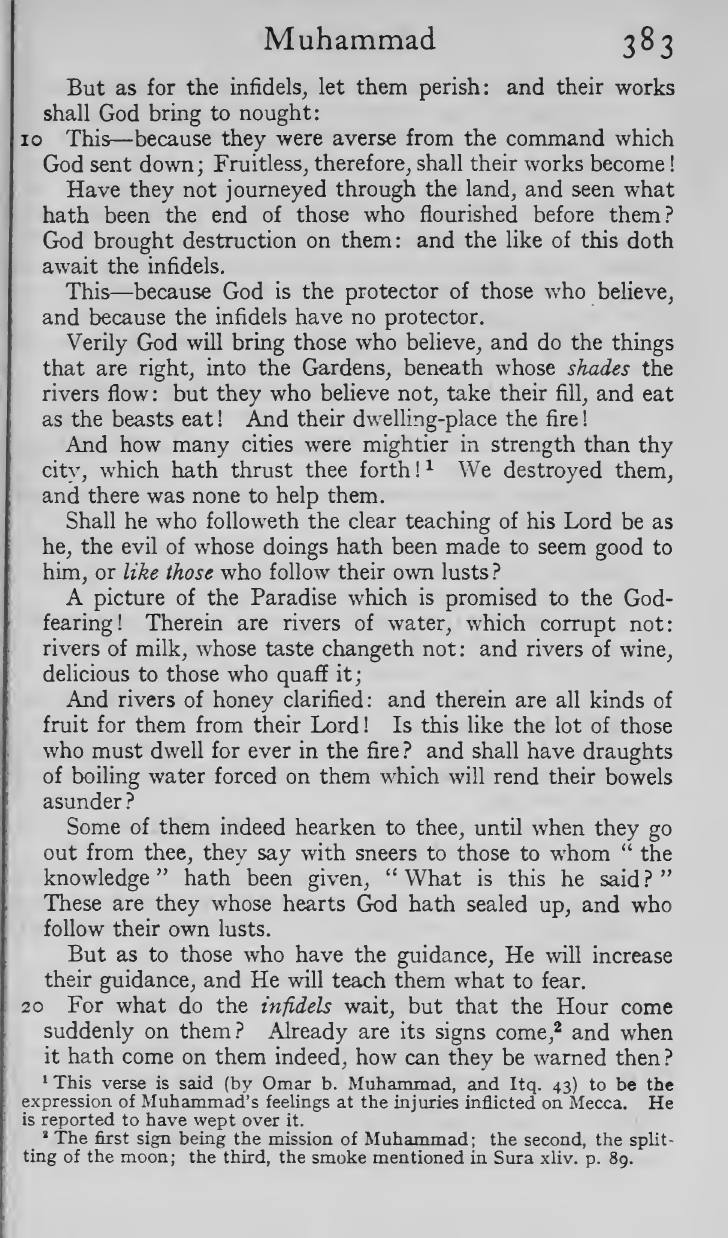
Section titled “”Let Us Eat and Drink, for Tomorrow We Die””The scriptures picture the man who denies the life to come as a glutton. Isaiah gives the first version: “Eating flesh and drinking wine— ‘Let us eat and drink, for to-morrow we shall die!’”, and God answers, “Surely this iniquity shall not be expiated by you till ye die” (Isaiah 22:13–14). Paul repeats the line as the only conclusion left if the resurrection is false: “what advantageth it me, if the dead rise not? let us eat and drink; for to morrow we die” (1 Corinthians 15:32). The Book of Wisdom gives “the ungodly” a speech that sets out Epicurus’s views one after another: “by mere chance were we born,” “the spirit shall be dispersed as thin air,” and so “Let us fill ourselves with costly wine and perfumes … Let us crown ourselves with rosebuds, before they be withered” (Wisdom of Solomon 2:1–9). The Koran says of the unbelievers that they “take their fill, and eat as the beasts eat! And their dwelling-place the fire!” (Koran 47:12), and al-Ghazali says the Naturalists “plunge into sensual pleasures with the avidity of brutes” (Confessions, p. 26).
Epicurus answered this picture of his teaching in his own words. “When, therefore, we maintain that pleasure is the end, we do not mean the pleasures of profligates and those that consist in sensuality … For it is not continuous drinkings and revelings, nor the satisfaction of lusts, nor the enjoyment of fish and other luxuries of the wealthy table, which produce a pleasant life, but sober reasoning, searching out the motives for all choice and avoidance” (DL X.131–132). The Epicurean measures each pleasure against the pains that follow it, and he chooses the greater pleasure over the lesser. The glutton of Isaiah and Paul does not.
Reward and Punishment as the Reason to Be Good
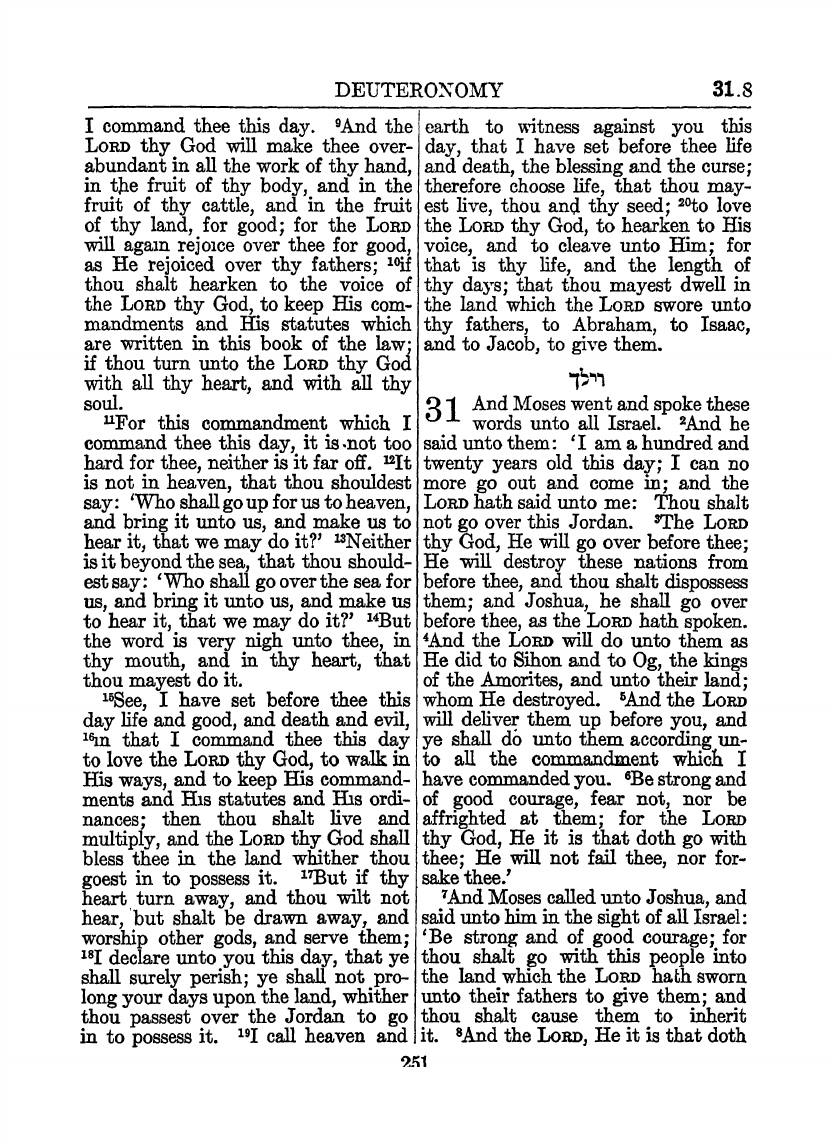
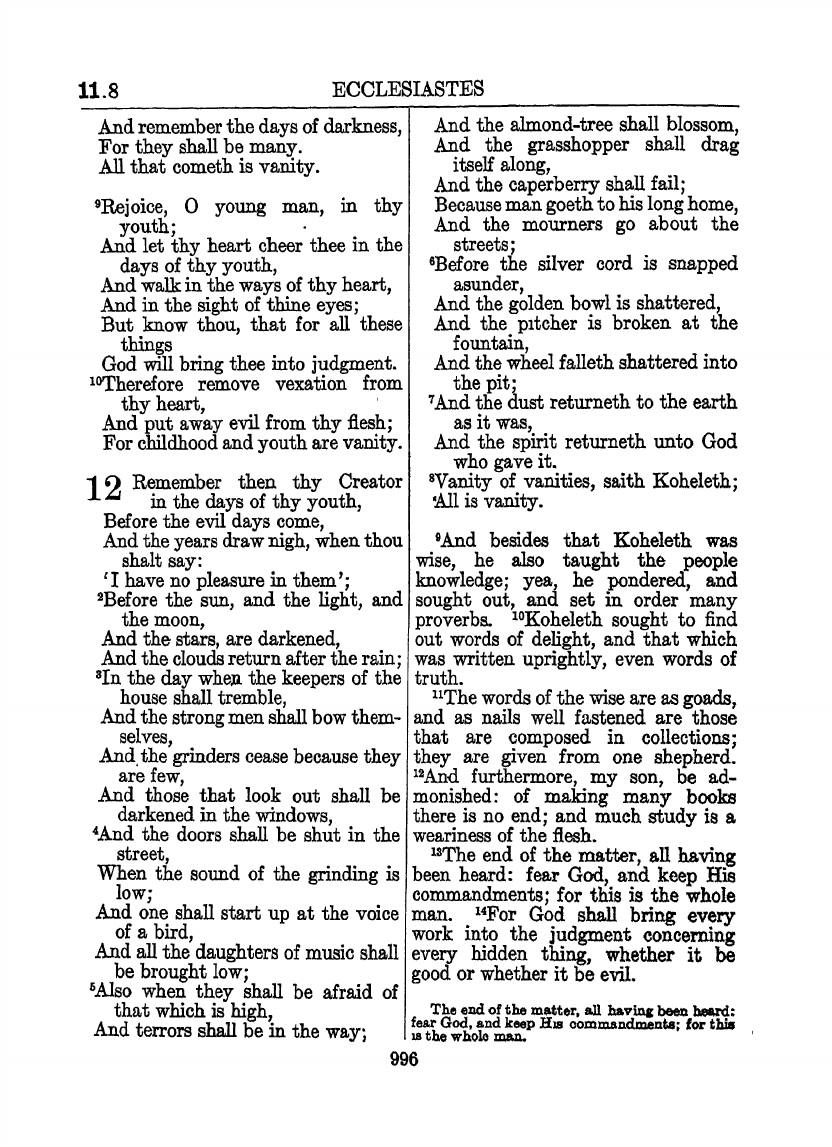
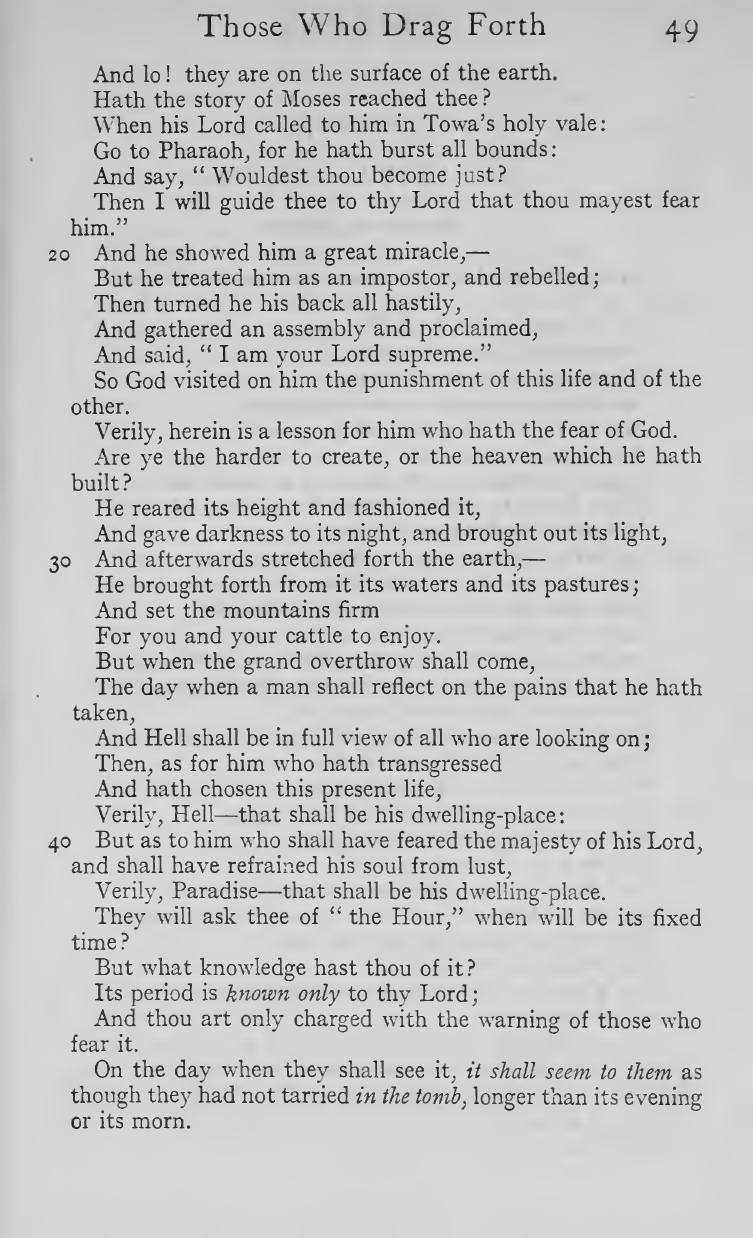
Section titled “Reward and Punishment as the Reason to Be Good”The deepest Abrahamic argument against Epicurus is that without judgment after death there is no reason to be good. The scriptures give reward and punishment as the ground of obedience. “See, I have set before thee this day life and good, and death and evil … But if thy heart turn away … I declare unto you this day, that ye shall surely perish” (Deuteronomy 30:15–18). “Fear God, and keep His commandments; for this is the whole man. For God shall bring every work into the judgment” (Ecclesiastes 12:13–14). “For we must all appear before the judgment seat of Christ … Knowing therefore the terror of the Lord, we persuade men” (2 Corinthians 5:10–11). “As for him who hath transgressed And hath chosen this present life, Verily, Hell—that shall be his dwelling-place” (Koran 79:37–39).
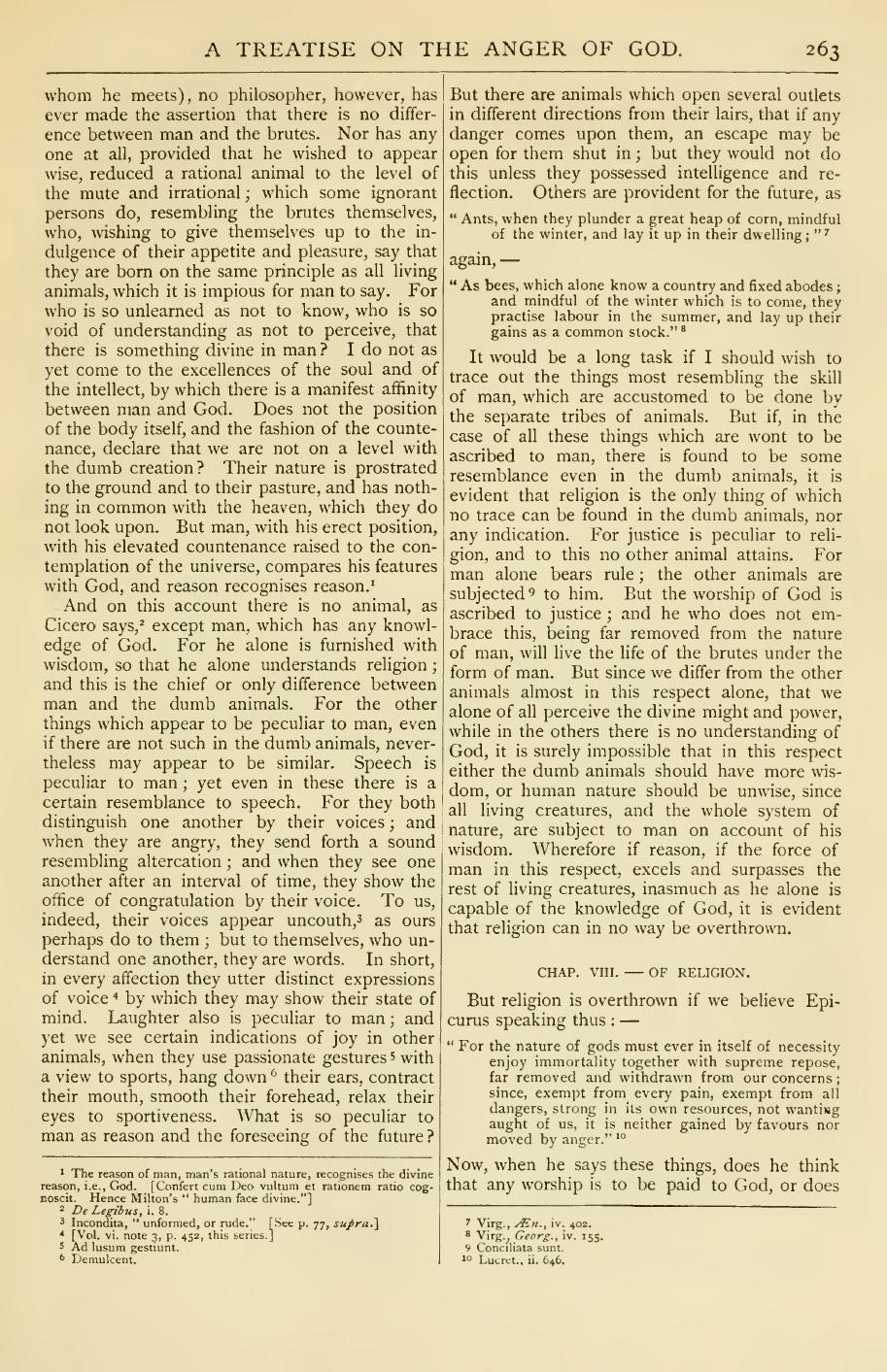
Lactantius draws the conclusion he thinks Epicurus must accept. If the soul perishes, “let us eagerly pursue riches, that we may be able to enjoy all kinds of indulgence; and if these are wanting to us, let us take them away from those who have them by stealth, by stratagem, or by force … For it is the part of the wise man to do evil, if it is advantageous to him, and safe.” He admits that Epicurus never said this: “Although he does not say this in word, yet he teaches it in fact” (Divine Institutes III.17). Al-Ghazali says the same of the Naturalists: “Acknowledging neither a recompense for good deeds nor a punishment for evil ones, they fling off all authority” (Confessions, p. 26).
Epicurus held that the reasons for living well are found in this life. Virtue is the means to the pleasant life: prudence “teaches us that it is not possible to live pleasantly without living prudently and honorably and justly” (DL X.132). Justice is “a kind of compact not to harm or be harmed” (PD 33), kept because it secures a life free from fear. “The just man is most free from trouble, the unjust most full of trouble” (PD 17). The man who robs “by stealth, by stratagem, or by force” can never be sure he will escape, and so never lives at ease (PD 35). The Epicurean does not need a hell to give him a reason to be just. He needs only to see clearly what injustice costs.
There is also a moral point in the Abrahamic argument that its defenders do not often face. A man who is honest only from “the terror of the Lord” is moved by fear, not by understanding, and Epicurus held that fear is the chief enemy of a happy life. Augustine’s admission shows how much rested on that fear. He would have given the palm to Epicurus, he says, if he had not believed in “places of recompense” after death.
Where the Abrahamists Help the Epicurean Case
Section titled “Where the Abrahamists Help the Epicurean Case”The Abrahamic writers are opponents, but they preserve much that Epicureans can use.
- They preserve Epicurus’s arguments. Lactantius is the source for the argument from evil in its best-known form (On the Anger of God 13). He quotes Lucretius on the gods “far removed and withdrawn from our concerns” (De Ira Dei 8), Epicurus on death (Divine Institutes III.17) and Epicurus on the eyes (On the Workmanship of God VI).
- Augustine admits the force of the Epicurean case. Without his belief in an afterlife, he says, Epicurus “had … won the palm” (Confessions VI.16).
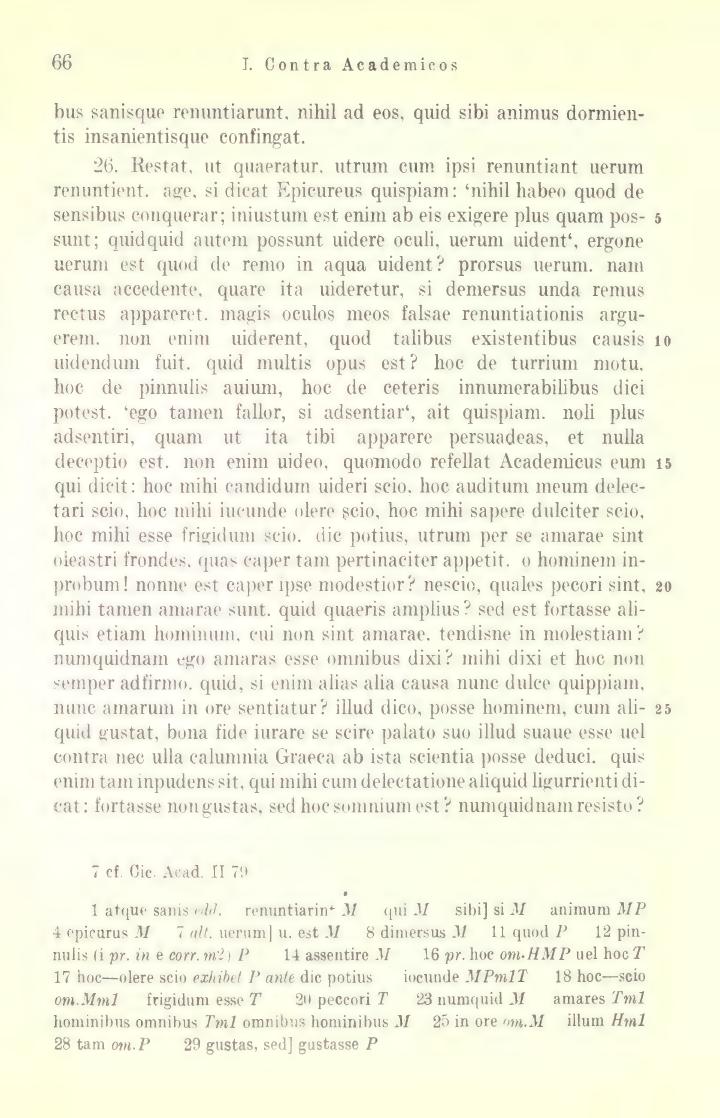
- Augustine defends the senses against the Skeptics. In Against the Academics he voices the Epicurean position himself: “whatever the eyes are able to see, they see truly” (Contra Academicos III.11.26).
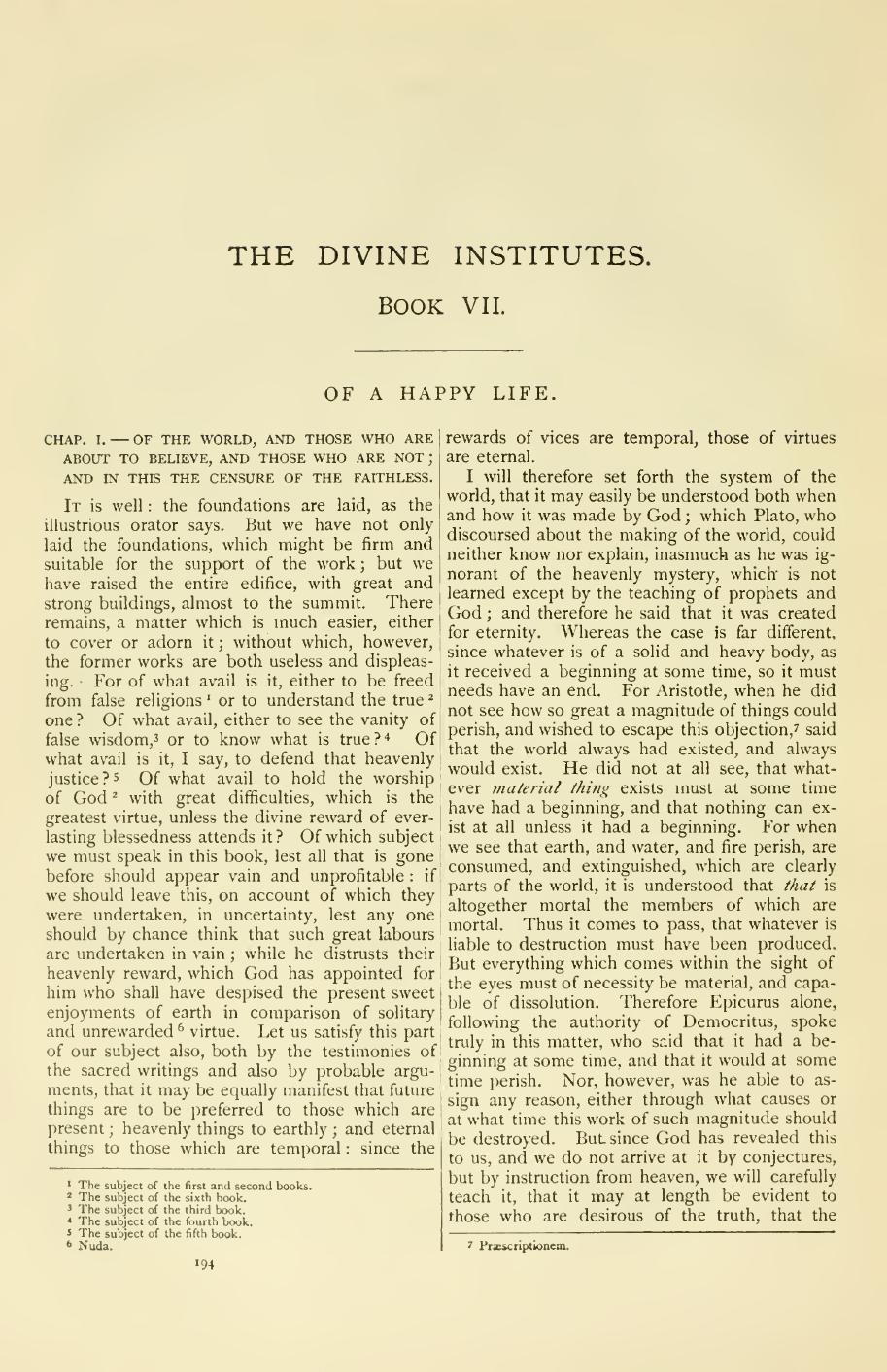
- Lactantius credits Epicurus on the world’s end. Against Plato and Aristotle, “Epicurus alone, following the authority of Democritus, spoke truly in this matter, who said that it had a beginning at some time, and that it would at some time perish” (Divine Institutes VII.1). Lactantius means our world, and Epicurus did teach that each world comes to be and passes away.
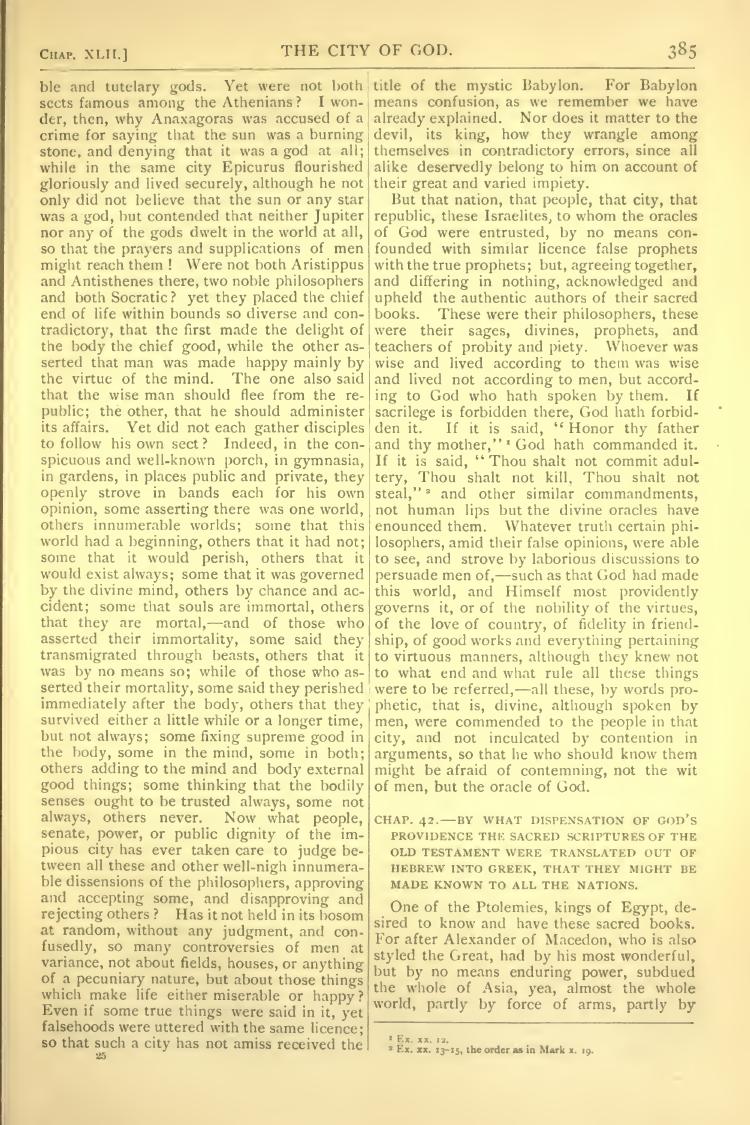
- Augustine records that Epicurus lived safely in Athens. The city that accused Anaxagoras for calling the sun a stone let Epicurus “flourish gloriously” though he denied that any god dwelt in the world to hear men’s prayers (City of God XVIII.41).
- The scriptures record the Epicurean test. Thomas would not believe until he had seen and touched (John 20:24–29). And the Hebrew Bible’s Ecclesiastes comes closest to recommending the enjoyment of life, though it adds that “for all these things God will bring thee into judgment” (Ecclesiastes 11:9).
The Abrahamists’ Long Shadow
Section titled “The Abrahamists’ Long Shadow”The Middle Ages
Section titled “The Middle Ages”For a thousand years “Epicurean” was a name for the unbeliever. Dante, in the Inferno, places the heretics in burning tombs, and gives one cemetery to the Epicureans: “Their cemetery have upon this side / With Epicurus all his followers, / Who with the body mortal make the soul” (Inferno X, tr. Longfellow). In Jewish law the apikoros had no share in the world to come. In Islam the philosopher who denied creation and the resurrection was, for al-Ghazali, an unbeliever.
The Revival of Epicurus
Section titled “The Revival of Epicurus”When Epicurus was revived in the seventeenth century, the price of the revival was a concession to the Church. The French priest Pierre Gassendi (1592–1655) restored Epicurus’s atoms and his ethics of pleasure, but he taught that God created the atoms and set them in motion, and that the soul is immortal. The Epicurus who returned to Europe was an Epicurus with the Abrahamic God added back in.
The Modern World
Section titled “The Modern World”The Abrahamic arguments outlived the faith of many who repeat them. The claim that without God there is no reason to be good, the picture of the Epicurean as a glutton, and the conviction that pleasure must be justified by some higher purpose are still common among people who no longer believe in a judgment after death. Many of the modern Humanists kept the morality while dropping the God, and the next chapter takes up their case.
The Sources
Section titled “The Sources”| Tradition | Texts quoted | Translation |
|---|---|---|
| Christian scripture | New Testament | King James Version (Oxford, 1897) |
| Christian scripture | Wisdom of Solomon | Revised Version of the Apocrypha (Cambridge, 1895) |
| Jewish scripture | Hebrew Bible | Jewish Publication Society (1917) |
| Mishnah | Sayings of the Fathers (Avot) | Charles Taylor (1897) |
| Mishnah | Sanhedrin 10:1 | Herbert Danby (1919) |
| Talmud | Sanhedrin 90b–91b, 99b–100a | Michael L. Rodkinson (1902) |
| Maimonides | Mishneh Torah, Laws of Repentance 3 | Rendered from the Hebrew (Warsaw, 1881) |
| Maimonides | Guide for the Perplexed | M. Friedländer (1904) |
| Islamic scripture | Koran | J. M. Rodwell (Everyman, 1909) |
| Al-Ghazali | Deliverance from Error (Confessions) | Claud Field (1909) |
| Church Fathers | Lactantius, Minucius Felix | Ante-Nicene Fathers (Fletcher; Wallis) |
| Church Fathers | Augustine, City of God, Confessions | Nicene and Post-Nicene Fathers (Dods; Pilkington) |
| Church Fathers | Augustine, Against the Academics | Rendered from the Latin (Knöll, 1922) |
The Most Important Passages for Epicureans
Section titled “The Most Important Passages for Epicureans”History
Section titled “History”- Paul among the Epicureans and Stoics: Acts 17:16–32.
- The apikoros has no share in the world to come: Mishnah Sanhedrin 10:1; Maimonides’s three apikorsim: Mishneh Torah, Repentance 3:8.
- Augustine: Epicurus “won the palm”: Confessions VI.16.
- Al-Ghazali’s Materialists and Naturalists: Confessions, pp. 25–26.
The Canon
Section titled “The Canon”- Faith, “the evidence of things not seen”: Hebrews 11:1; “we walk by faith, not by sight”: 2 Corinthians 5:7; “believe in the unseen”: Koran 2:1–3.
- “Blessed are they that have not seen”: John 20:24–29.
- The wisdom of the world made foolish: 1 Corinthians 1:19–23.
- The Epicureans and the “untrustworthy” senses: City of God VIII.7.
Physics
Section titled “Physics”- Creation: Genesis 1:1; Hebrews 11:3; Koran 2:116–117.
- Design: Romans 1:18–22; Lactantius on the eyes: On the Workmanship of God VI.
- Providence: Matthew 10:29–30; Zephaniah 1:12; Koran 6:59; Maimonides on Epicurus: Guide III.17.
- God creates evil: Isaiah 45:7; the Epicurean argument from evil: Lactantius, On the Anger of God 13.
- Judgment and hell: Matthew 10:28; Matthew 25:31–46; Avot 4:22; Koran 36:77–82.
Ethics
Section titled “Ethics”- “Lovers of pleasures more than lovers of God”: 2 Timothy 3:1–5; “this world’s life is but a cheating fruition”: Koran 57:20.
- “Let us eat and drink”: Isaiah 22:13–14; 1 Corinthians 15:32; the speech of the ungodly: Wisdom of Solomon 2:1–9.
- Reward and punishment: Deuteronomy 30:15–18; 2 Corinthians 5:10–11; Koran 79:37–41.
- Lactantius: without judgment, “it is the part of the wise man to do evil”: Divine Institutes III.17.
About These Texts
Section titled “About These Texts”Every quotation in this chapter is taken from a printed translation, and most link to an image of the printed page so that the reader can check the wording and the context. The translations are listed in the table above. Two works whose English translations are still under copyright, Maimonides’s Mishneh Torah and Augustine’s Against the Academics, are rendered directly from the Hebrew and Latin, and each rendering is linked to the page of the printed original. Lactantius’s On the Anger of God 13 is quoted from William Fletcher’s translation in the Ante-Nicene Fathers, Vol. VII, as given at New Advent. Dante is quoted in Henry Wadsworth Longfellow’s translation of the Inferno (1867).
Bible verses are given by the standard chapter and verse. The Koran is cited by the standard sura and verse numbers, which sometimes differ by a verse or two from Rodwell’s own. The Sayings of the Fathers is cited by the standard numbering, which differs from Taylor’s.